

4 hrs ago
Supreme Court Bars BCI Discipline of Law Students

The Supreme Court considered whether the Bar Council of India could punish law students.
The case began after students at NALSAR University objected to a proposed role for Chief Justice Surya Kant at their convocation.
The BCI responded by directing State Bar Councils not to enrol NALSAR’s 2026 graduates as advocates.
The BCI withdrew those directions within hours or, according to another report, within 24 hours.
The petitioners still wanted the court to decide whether the BCI had this legal power.
The Supreme Court ruled that the Advocates Act does not give the BCI or State Bar Councils power to discipline law students.
It said universities or educational institutions must handle student discipline under their own rules.
The court also said the BCI can set standards for legal education but cannot punish students.
Protection previously given to NALSAR students and faculty was made permanent.

The Supreme Court ruled that the Bar Council of India and State Bar Councils cannot discipline law students before their enrolment as advocates.
The court said disciplinary authority rests with the students’ university or the authority designated by its regulations or bylaws.
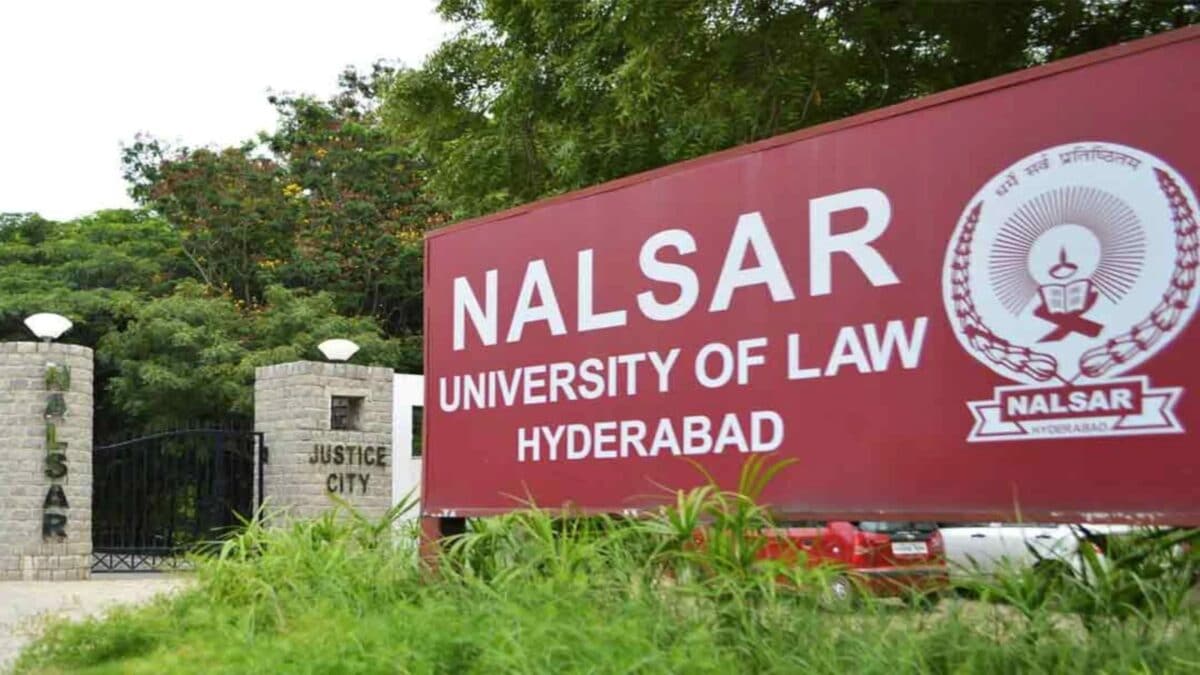
The ruling followed BCI directions targeting NALSAR University of Law’s 2026 graduating batch over objections to CJI Surya Kant’s proposed convocation participation.
The court declared the BCI’s August 13 communication and subsequent modified communications unlawful and without jurisdiction.
The BCI withdrew the directions shortly after issuing them, while the Supreme Court made its August 14 protection against punitive action permanent.
- Who
- The Supreme Court, the Bar Council of India, State Bar Councils, NALSAR University of Law students and faculty, and petitioners Mihira Sood and Abhishek Tiwari.
- What
- The Supreme Court ruled that the BCI and State Bar Councils lack statutory authority to take disciplinary action against law students before they are enrolled as advocates.
- Where
- The dispute involved NALSAR University of Law in Hyderabad and proceedings before the Supreme Court.
- When
- The ruling was issued on September 3, 2026; the challenged BCI communication was issued on August 13, 2026, and interim protection was ordered on August 14, 2026.
- Why
- The case arose after NALSAR students opposed a proposal to invite Chief Justice Surya Kant to participate as chief guest at the university’s convocation.
Petitioners and Supreme Court
Bar Council of India
Whether the case remained relevant
Petitioners and Supreme Court
The petitioners argued that withdrawing the communications did not eliminate the need to clarify the BCI’s legal authority and sought an inquiry into how the directions were issued. The Supreme Court agreed that the legal issue required determination.
Bar Council of India
The BCI argued that the communications had been withdrawn quickly and that no live issue remained for adjudication, saying the matter should be closed.
Who may discipline students
Petitioners and Supreme Court
The petitioners and the court maintained that disciplinary authority over law students belongs to their university or educational institution, not professional bar regulators.
Bar Council of India
The BCI had intervened by recommending action and directing that State Bar Councils not enrol NALSAR’s 2026 graduates, but later withdrew the measures and said the matter could be reconsidered after an inquiry.
Speech and university protest
Petitioners and Supreme Court
The petitioners characterized the case as involving freedom of speech and expression across a university, rather than the conduct of only one student.
Bar Council of India
The BCI’s action followed the students’ campaign opposing the proposed participation of the Chief Justice of India in the NALSAR convocation.
Key facts
- Court’s ruling
- The Advocates Act, 1961 gives the BCI no express or implied power to discipline law students.
- Authority over students
- Universities or educational institutions, and authorities designated by their regulations or bylaws, may take disciplinary action against enrolled students.
- BCI’s role
- The BCI may prescribe and enforce standards of legal education under applicable laws and regulations.
- Challenged action
- The BCI directed State Bar Councils not to enrol NALSAR’s 2026 graduates as advocates while an inquiry was considered.
- Withdrawal
- The BCI withdrew the disputed communications shortly after issuing them; reports describe the interval as within hours or within 24 hours.
- Supreme Court protection
- The court’s August 14, 2026 direction barring punitive action against NALSAR students and faculty was made absolute.
- Initial representation
- Seventy members of NALSAR’s outgoing LLB batch submitted the first representation on July 23.
Quotes
Advocate for the petitioners
Advocate representing NALSAR alumni Mihira Sood and Abhishek Tiwari
“Such power is vested in the university or educational institution in which the students are enrolled. The Bar Council of India may prescribe and enforce standards of legal education in accordance with the statutory provisions and applicable regulations. It cannot, however, take disciplinary action against a law student.”
 news18.com
“On an independent consideration of the issue, we are of the considered opinion that the Advocates Act, 1961, under which the Bar Council of India has been constituted, does not confer any express or implied power upon it to take disciplinary action against students pursuing legal education.”
 theprint.in
news18.com
theprint.in
news18.com
Sources
Related news
CJI Slams Bar Council's NALSAR Enrolment Suspension As 'Uncalled For'

CJI defends NALSAR students' protest right, slams Bar Council ban
Bar Council withdraws NALSAR enrolment freeze after CJI criticism
Student Body Demands Apology After BCI Withdraws NALSAR Enrolment Ban

NLSIU students demand BCI apology over revoked NALSAR enrolment order
NALSAR to Weigh Constitutionality of BCI Inquiry Over Student Row
Activist’s Jantar Mantar Attack Claims Spur Questions Over Police

Supreme Court Declines Plea Against School Entry Restrictions
Supreme Court Closes SEBI Cases After NSE Settlement
Gen-Z Movement Wins Four Retreats as Government Withdraws March

Supreme Court Presses NHAI on Highway CCTV and Encroachments
