2 hrs ago
Supreme Court FIR Order Draws Criticism Over Protest Rights
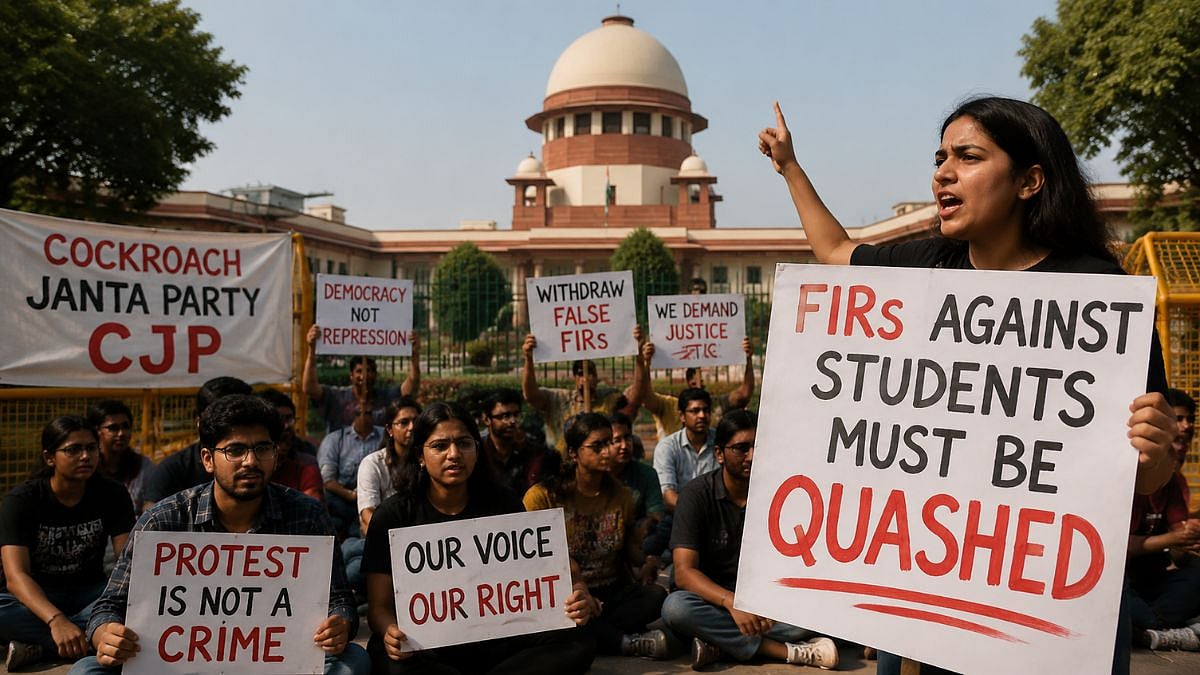
The Supreme Court canceled police cases against students who had joined protests.
The students were protesting in Delhi and some other state capitals.
Their group was called the Cockroach Janta Party.
A government agreement had helped end the protests, but the police cases were not withdrawn quickly.
The court used a special constitutional power called Article 142 to cancel the cases.
It still allowed the government to examine 2,873 protesters who were suspected of having criminal records.
The court also said its order should not be used as a legal example in future cases.
The article’s writer says this makes the decision confusing and does not sufficiently protect peaceful protesters.

The Supreme Court quashed FIRs against Cockroach Janta Party students protesting at Jantar Mantar and in some state capitals.
The order followed a government agreement that had helped end nationwide protests and preceded the resignation of Education Minister Dharmendra Pradhan.
The court invoked Article 142 and allowed possible action against 2,873 protesters suspected of having criminal records.
The court said its order could not be treated as a precedent, a decision critics say makes the ruling legally unclear.
The article argues that the ruling failed to curb large-scale FIRs and other stringent measures against peaceful protesters.
- Who
- The Supreme Court, the government, and students protesting under the Cockroach Janta Party banner.
- What
- The Supreme Court quashed FIRs filed against the protesting students while allowing possible action against 2,873 protesters suspected of criminal records.
- Where
- Jantar Mantar in Delhi and some state capitals.
- When
- September 1; the article does not specify the year.
- Why
- The court acted after a government agreement related to ending the protests, following delays in withdrawing the FIRs.
Key facts
- Court action
- The Supreme Court quashed FIRs against protesting students.
- Protest group
- The students were protesting under the banner of the Cockroach Janta Party, or CJP.
- Legal power used
- The court invoked Article 142, which gives it extraordinary powers.
- Protesters potentially excluded
- The government was allowed to identify 2,873 protesters suspected of having criminal records and take action if required.
- Precedential status
- The court stated that the order could not be treated as a precedent.
- Related protest case
- The article says the Allahabad High Court quashed the National Security Act invocation against Noida labour-strike leader Akriti Choudhury as arbitrary and vague.
Sources
Related news
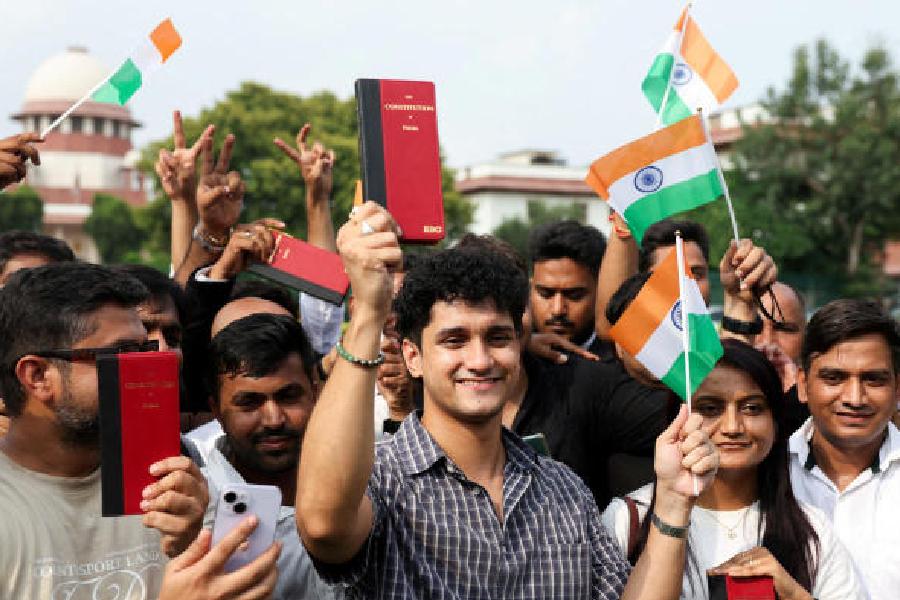
Supreme Court Quashes Student Protest FIRs, CJP Withdraws March
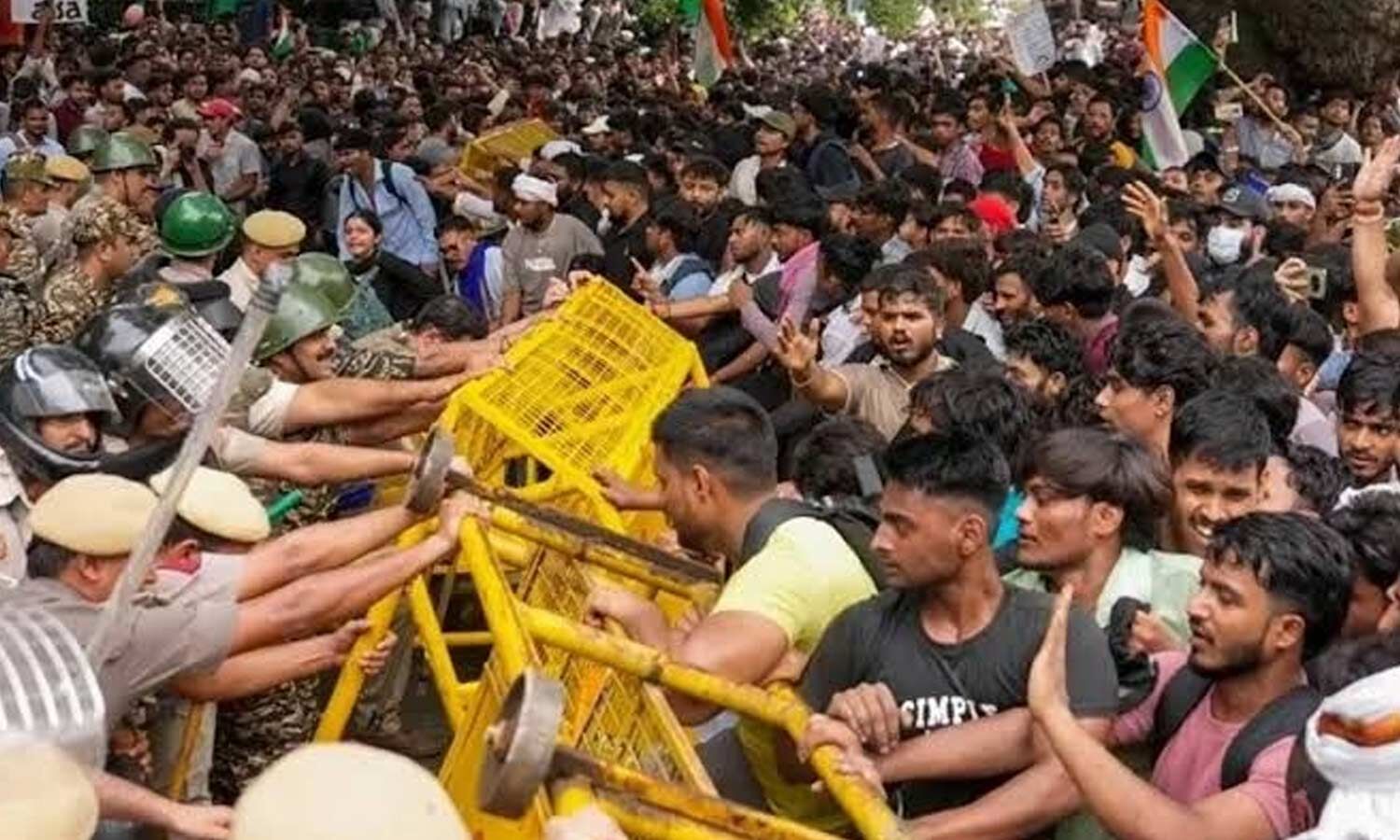
Supreme Court Quashes NEET Protest FIRs, CJP Calls Off March
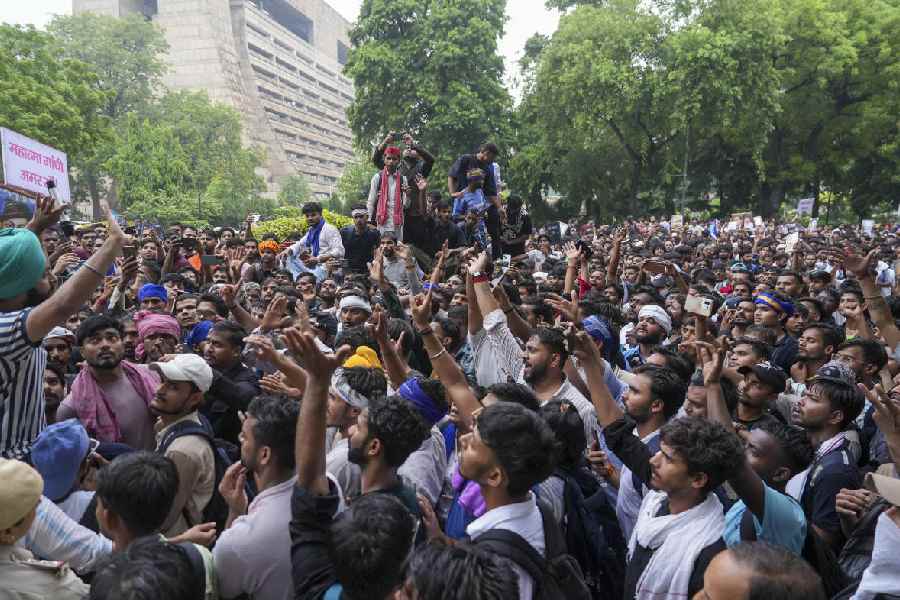
Centre Seeks Supreme Court Quashing of NEET Protest FIRs
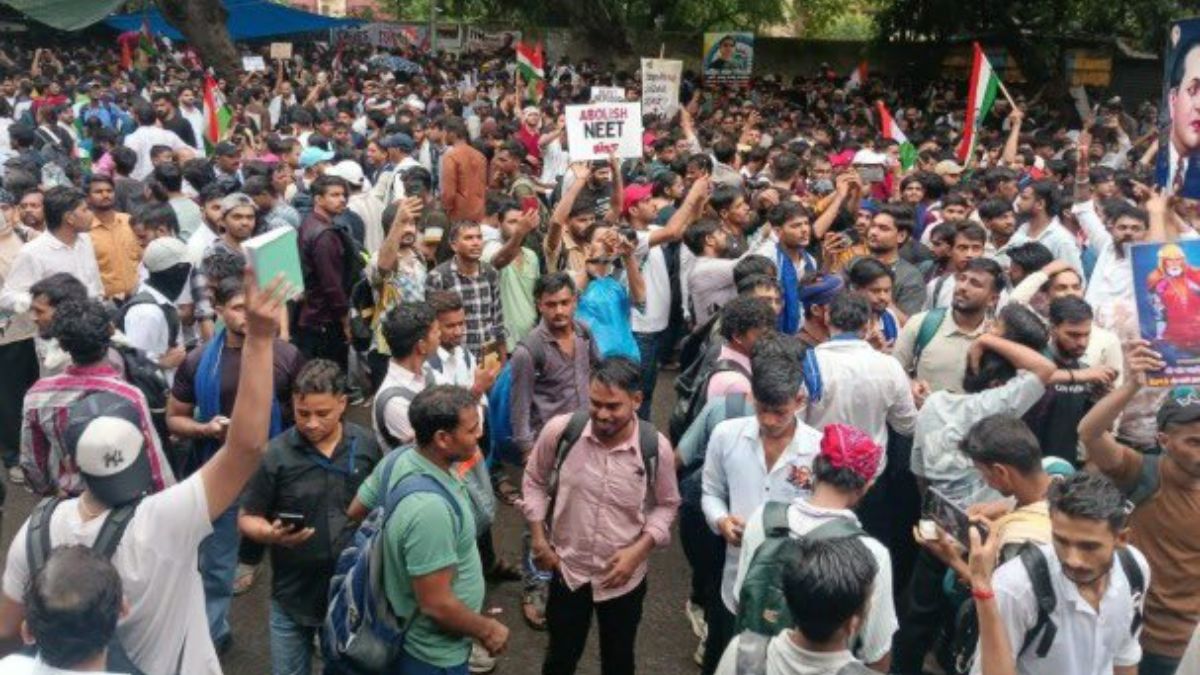
Supreme Court Quashes NEET Protest FIRs; CJP Calls Off March
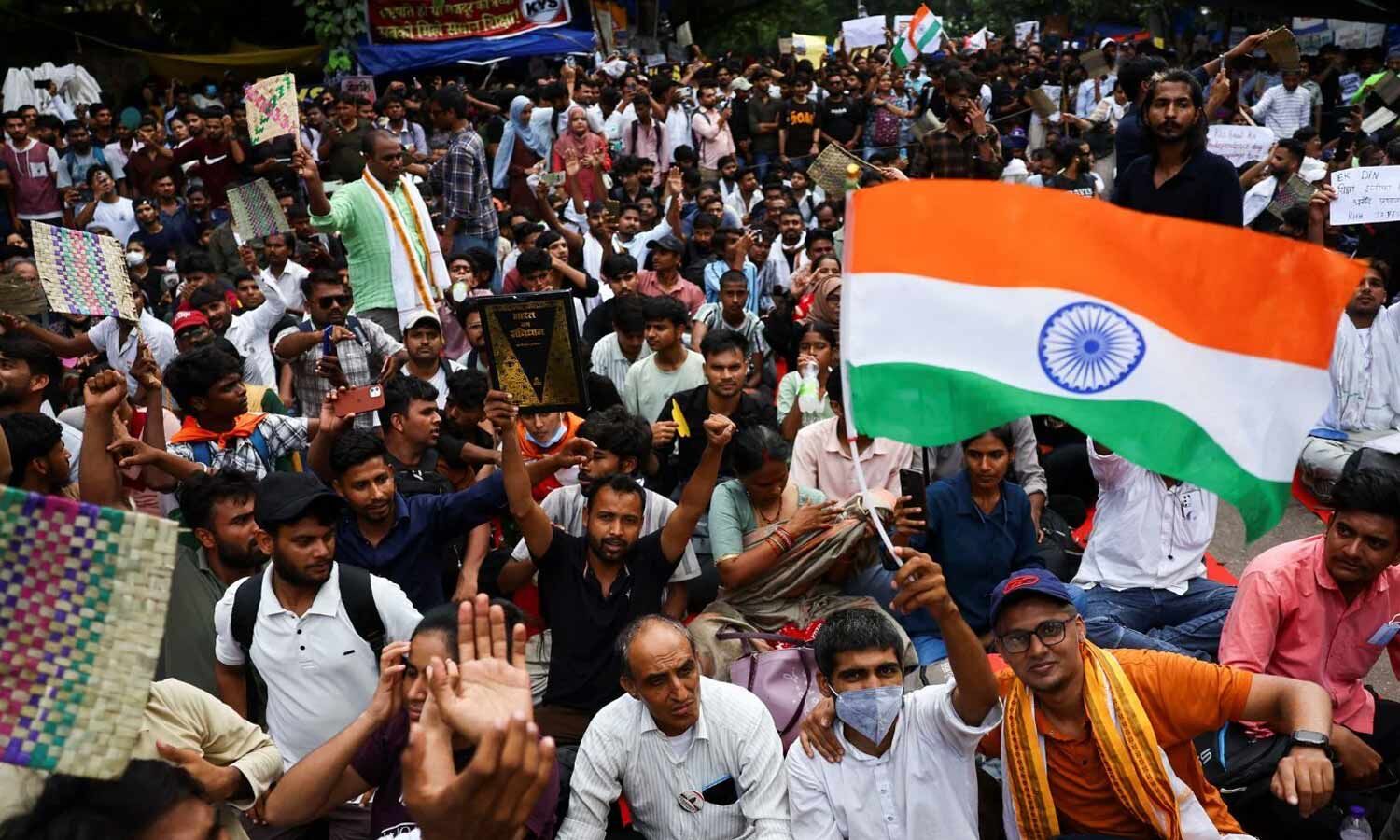
CJP Calls Off Delhi March After Supreme Court Order

CJP Warns Centre Over FIRs, Seeks Supreme Court Panel Role

High Court Quashes Aakriti Chaudhary Detention, Sparks Political Questions

Tata Power Commissions 400 kV Jalpura-Khurja Transmission Corridor

CID Probe Details IAS Officer's Alleged Escape in KPSC Case

Tamil Nadu Language Push Meets Court Relief for Protest Student