2 weeks ago
Why Young India Turns to Ambedkar's Words on Equality

Many young people in India are reading the words of a famous man named Ambedkar.
He lived a long time ago and helped write India's Constitution, which is the country's rule book.
Ambedkar wrote about equality, which means everyone being treated the same and fairly.
He also wrote about dignity, which means respecting every person.
Young people today feel worried about fairness and finding good jobs, so his words feel like they are about today.
Ambedkar told everyone to educate, agitate, and organise, which means learn, speak up, and work together.
He warned that having the right to vote is not enough if people are not treated equally.
People now read parts of the Constitution aloud at protests.
Young people also shout 'Jai Bhim' at student meetings to show they believe in Ambedkar's ideas.
His words help them ask for a fairer country.

Young Indians are turning to Ambedkar because his writing on equality, dignity, and the gap between national promises and practice resonates with a generation worried about fairness and jobs.
His famous instruction, 'educate, agitate, organise', has become a rallying cry built for a protest age.
In 1949, Ambedkar warned the Constituent Assembly that the country was entering a life of contradictions between political equality and deep social and economic inequality.
The Constitution he drafted has become a protest text, with its Preamble read aloud at demonstrations.
'Jai Bhim' is now among the loudest cries at any student gathering.
- Who
- Young Indians, who are increasingly turning to the ideas of Ambedkar.
- What
- Young India is turning to Ambedkar's writings on equality, dignity, and the distance between a nation's promises and its practice.
- Where
- India
- When
- In the present 'protest age'; Ambedkar's warning to the Constituent Assembly was delivered in 1949.
- Why
- Because a generation anxious about fairness, jobs, and a system perceived as quietly rigged hears Ambedkar's warnings about political freedom without social equality as commentary on today.
Key facts
- Key Figure
- Ambedkar
- Famous Instruction
- 'Educate, agitate, organise'
- Constituent Assembly Warning
- 1949 warning about a life of contradictions between political equality and social and economic inequality
- Central Themes
- Equality, dignity, liberty, fraternity
- Constitution's Role
- Drafted by Ambedkar; its Preamble is read aloud at demonstrations
- Youth Rallying Cry
- 'Jai Bhim' at student gatherings
Sources
Related news
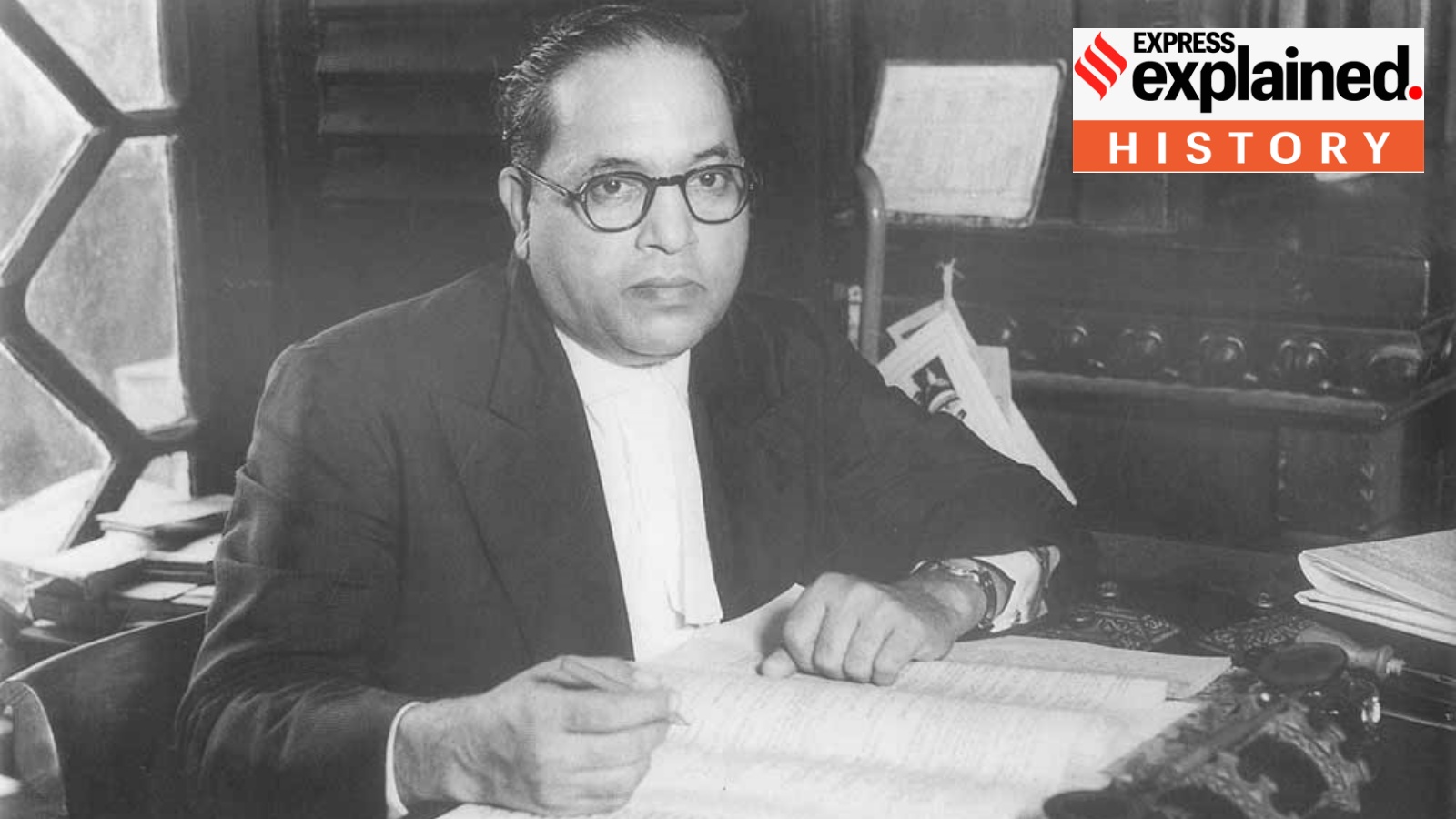
Independence Day: Recalling Ambedkar's Warnings and Remedies for India
Rajnath Singh Urges Youth to Pursue Constitutional Change
Mohan Bhagwat Defends Student Protests as Legitimate Democratic Dialogue
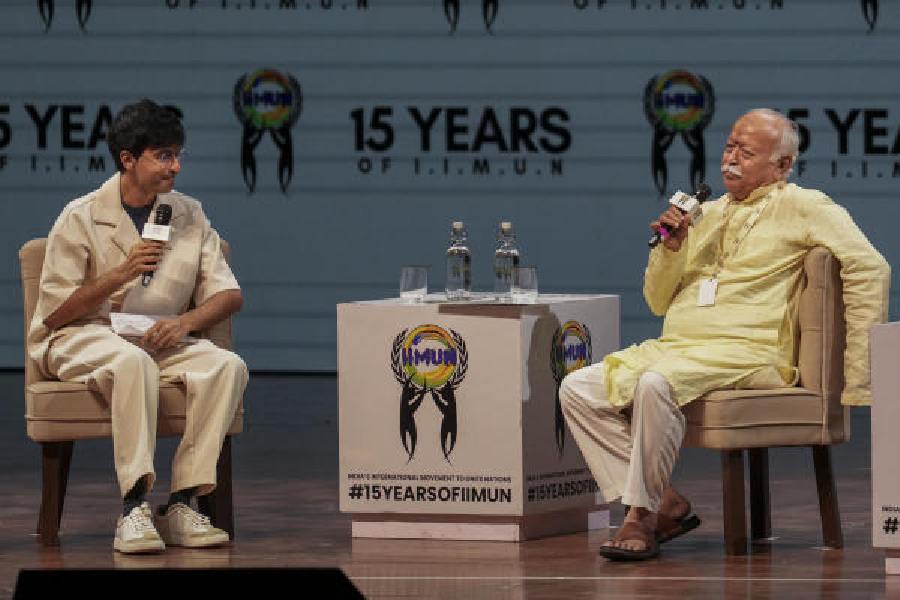
Mohan Bhagwat's Gen Z outreach affirms protesters not anti-national
RSS Chief Mohan Bhagwat: Protesting Gen Z Are Not Anti-National
Opposition leaders hit back at Modi's 'dimagi Naxal' remark
Parliamentary Oversight Can Strengthen India’s Transparent, Responsive Governance
Why India Has Never Appointed a Distinguished Jurist
Constitution, Not Bhagwat, Determines Muslims’ Belonging in India
Kerala High Court Rejects ₹20,000 Compensation Cap

Kerala Minister Condemns Calls to Confine Women at Home