

3 weeks ago
CAG: Bangalore Metro Missed 2007 Ridership Projections Even by 2023

The CAG is a special office that checks how the government spends money.
It studied the Bangalore Metro, the city's new train system.
Long ago, experts guessed how many people would ride the Metro every day.
The CAG found that by 2023, ridership was still much lower than that guess.
It says the Metro is not connected well enough to buses, homes, and parking.
Because of this, many people still drive their own cars.
City bus numbers also went down, and the Metro did not make up the difference.
The report also found that the project cost more than expected and some station spaces stayed empty.
The government can use this report to improve the Metro and serve people better.

A CAG performance audit tabled in Parliament found Bangalore Metro could not achieve its projected ridership and PHPDT against the year 2007 even by 2023.
The report cites non-integration with BMTC buses, lack of last-mile connectivity, and inadequate parking as key reasons.
BMTC bus footfall fell from 51.30 lakh per day in 2014-15 to 27.49 lakh per day in 2022-23, with combined bus and Metro ridership still lower than earlier bus ridership alone.
BMRCL included taxes exceeding ₹1000 crore in nine civil contracts, increasing project cost by over ₹1200 crore.
About 2.23 lakh sq ft of station property-development space lay vacant, losing ₹38.53 crore in potential lease rent during 2019-22.
- Who
- Comptroller and Auditor General of India (C&AG), which audited Bangalore Metro Rail Corporation Limited (BMRCL).
- What
- Found that Bangalore Metro did not achieve projected ridership and PHPDT against 2007 expectations even by 2023, alongside procurement, cost-estimation and property-development lapses.
- Where
- Bengaluru, Karnataka, India.
- When
- Audit covered planning and operations up to March 2021, with selected contract progress reviewed to March 31, 2023; the report was published/tabled in Parliament on August 10, 2026.
- Why
- Lack of integration with BMTC buses, poor last-mile connectivity, and inadequate parking meant the Metro did not attract enough private vehicle users to raise overall public transport ridership.
Key facts
- Auditor
- Comptroller and Auditor General of India (C&AG)
- Operator
- Bangalore Metro Rail Corporation Limited (BMRCL)
- Ownership
- 50:50 joint venture of Government of India and Government of Karnataka
- Phase 1
- 42.30 km, fully operational by June 2017
- Phase 2
- 27.36 km partially operational from January 2021 to March 2023; balance planned by December 2026
- BMTC daily footfall
- Fell from 51.30 lakh (2014-15) to 27.49 lakh (2022-23)
- Cost overrun
- Over ₹1200 crore, including taxes over ₹1000 crore in nine civil contracts
- Lost lease rent
- ₹38.53 crore during 2019-22 from 2.23 lakh sq ft of vacant station space
Quotes

Comptroller and Auditor General (CAG)
Indian government audit body responsible for financial oversight of public institutions
“BMRCL (Bangalore Metro Rail Corporation Limited) could not achieve the projected ridership and Peak Hour Peak Direction Traffic (PHPDT) against the year 2007 even by the year 2023 due to non‑integration of Metro with Bengaluru Metropolitan Transport Corporation, lack of last mile connectivity, lack of adequate parking facility, etc”
 thehindubusinessline.com
“Actual Non-Farebox Revenue (Non-FBR) on actual Farebox Revenue (FBR) was in the range of 8.85 to 49.54 per cent but when compared to the estimated minimum 10 per cent on the projected FBR, BMRCL achieved Non-FBR between 1.39 and 8.62 per cent”
thehindubusinessline.com
Sources
Related news
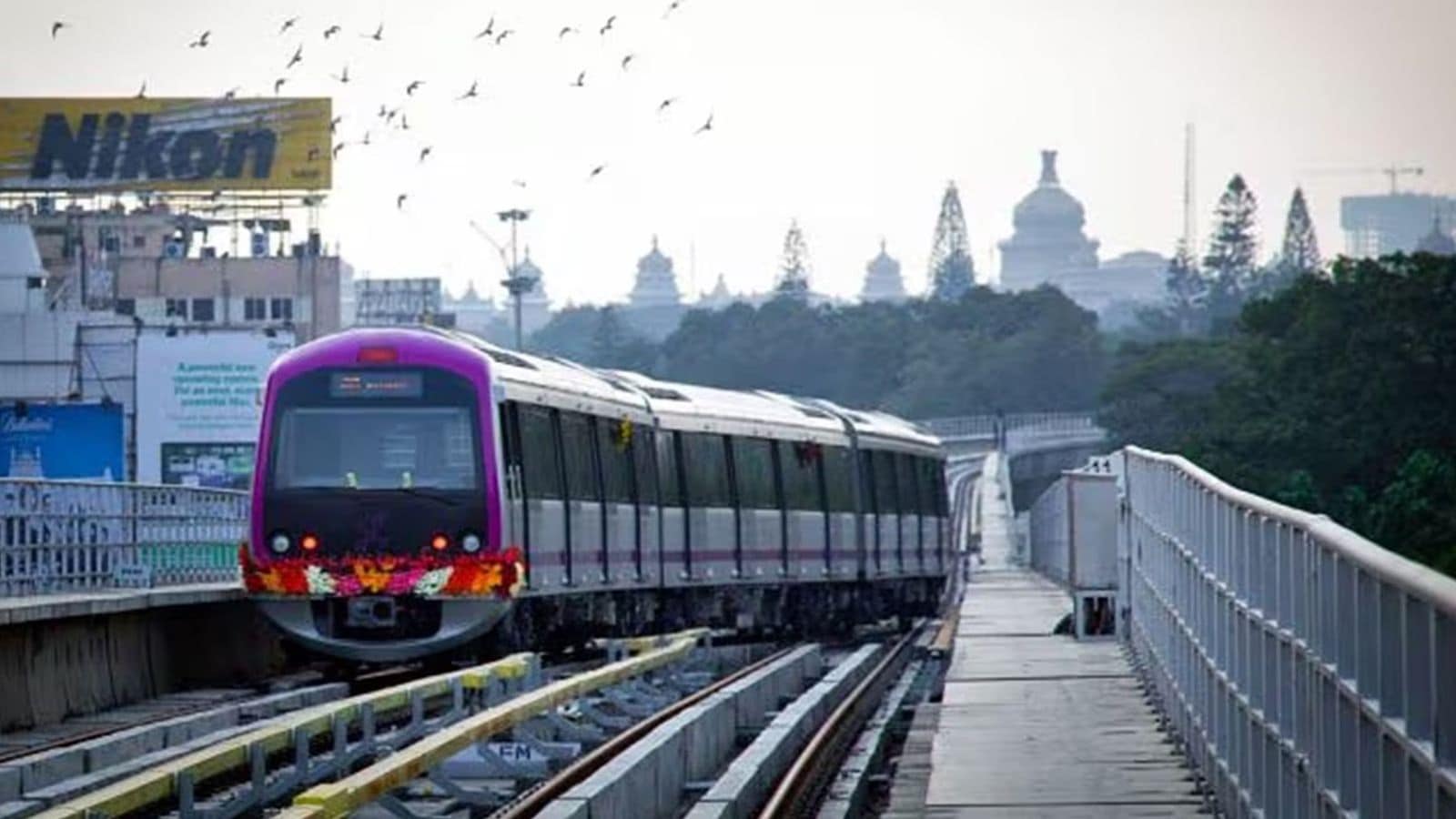
CAG audit flags planning, cost lapses in Bengaluru Metro
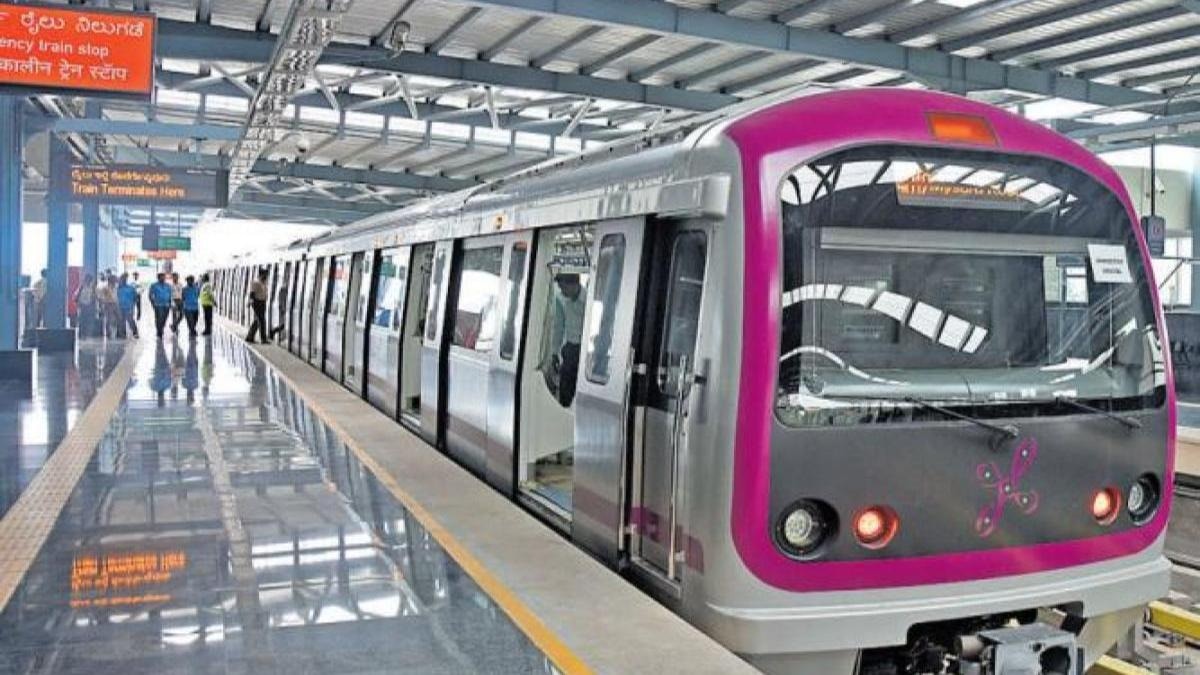
Bengaluru Airport Metro Blue Line crosses 72% construction milestone

Bengaluru Metro Plans Phased Blue Line Operations Amid Delays

Bengaluru Metro Yellow Line carries 3.8 crore riders in first year
KBR Park Traffic Diversions Boost Metro Ridership, Strain Bus Commuters

Experts prescribe public transport solutions for Hyderabad’s worsening traffic
The Yellow Diary Launches India Tour With Sold-Out Bengaluru Shows
Court defers approver Pradosh’s statement in Renukaswamy murder case

Shivakumar Seeks NITI Aayog Funds, Backs Second Bengaluru Plan
Viswanathan Anand Says AI Has Transformed Modern Chess
Science Quiz Covers Vehicle Communication, Space, Medicine, Missiles and Time
