

1 day ago
Autonomous Wingmen Could Help Ease the Indian Air Force’s Squeeze
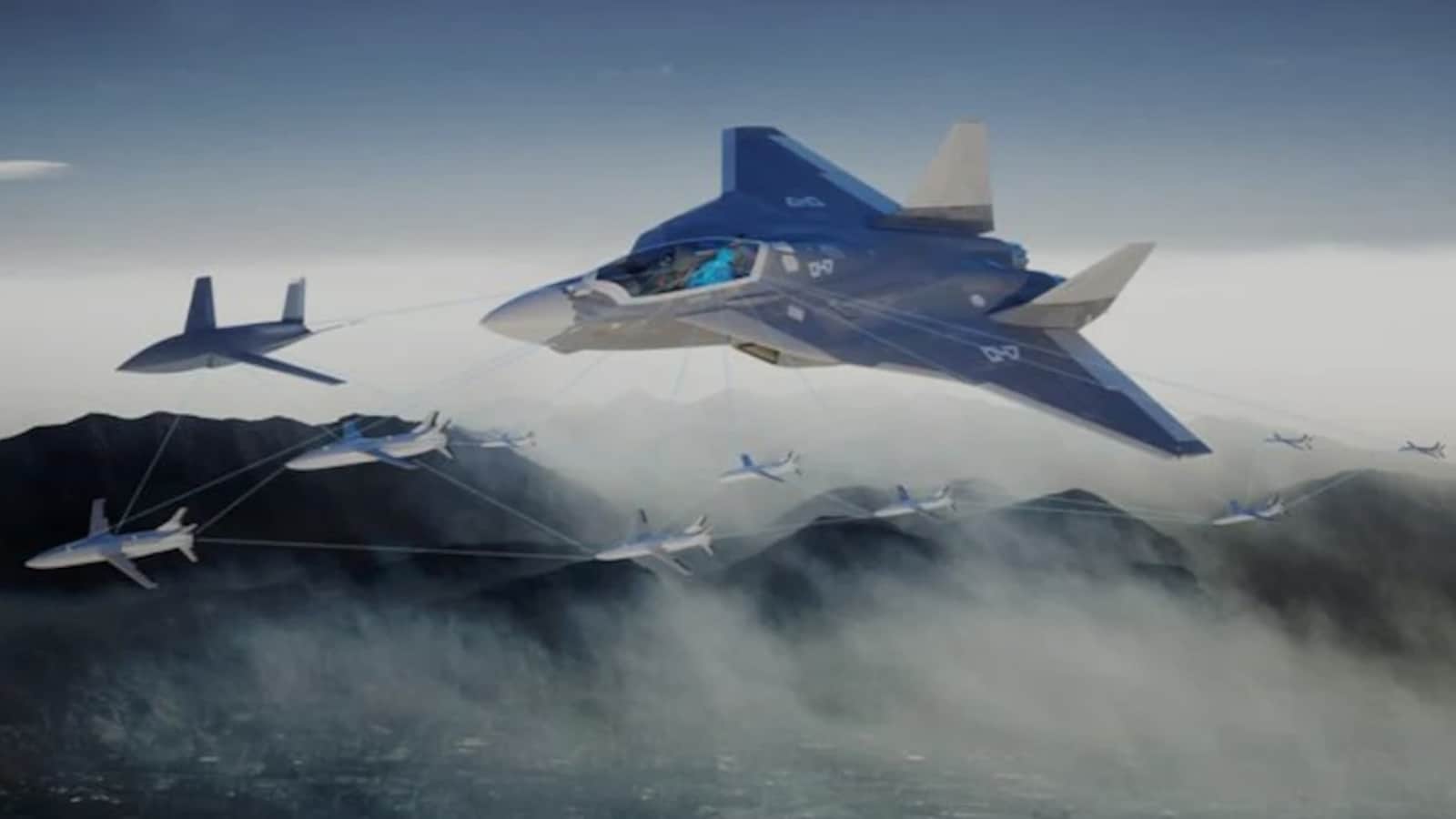
India’s Air Force has fewer fighter squadrons than the government says it should have.
Its chief says the force needs more new squadrons to stop getting smaller.
The article suggests adding autonomous aircraft called Collaborative Combat Aircraft, or CCAs, that can fly with fighter jets.
These aircraft could help fighters see farther, carry weapons, and face advanced opponents.
The author estimates that equipping many available fighters with a CCA would cost billions of dollars.
Starting with Su-30MKI jets would need fewer CCAs and cost less, but would not spread them across the whole force.
India has some projects underway, but building enough quickly would be a major challenge.
The article argues that starting soon could help, while CCAs would not replace crewed fighters.

The Indian Air Force has about 30 fighter squadrons, below its sanctioned strength of 42, and its chief says it needs roughly two new squadrons annually to halt the decline.
The article argues that Collaborative Combat Aircraft (CCAs) flying with crewed fighters could extend sensors and weapons reach, improve their ability to counter stealth aircraft, and add combat aircraft.
A fleet-wide plan pairing one CCA with each available manned aircraft is estimated at about 330 CCAs and $8.3 billion, while a Su-30MKI-first plan would require about 175 and $4.4 billion.
Producing 330 CCAs in five years would require 66 annually; the article says this scale is unprecedented in Indian aerospace and would likely need multiple lines and private-sector participation.
The article points to HAL’s CATS Warrior and NewSpace Research and Technologies’ Abhimanyu as domestic efforts, while arguing that rapid development and a mix of high- and lower-cost aircraft are important.
- Who
- The Indian Air Force; Air Chief Marshal AP Singh; and the article’s author, defence analyst Angad Singh.
- What
- An opinion article argues that autonomous Collaborative Combat Aircraft could help address the IAF’s shrinking fighter force and capability gap.
- Where
- India.
- When
- The article cites AP Singh’s Air Force Day press conference on October 3 and refers to Operation Sindoor in the previous May; no year is specified.
- Why
- The IAF has about 30 fighter squadrons against a sanctioned 42, while the article says China and Pakistan present growing numerical and technological challenges.
Case for CCAs
Limits and risks
Addressing force size and capability
Case for CCAs
The article argues CCAs could add airframes and extend a crewed fighter’s sensors and weapons reach, making aircraft such as the Su-30MKI and Rafale more competitive against stealth aircraft.
Limits and risks
The article says CCAs will not replace the manned fighters the IAF needs, and they do not by themselves resolve the requirement for new fighter squadrons.
Cost and production pace
Case for CCAs
The author estimates that CCAs could be acquired within a five-year programme at a cost he says the IAF could absorb, with a Su-30MKI-first approach reducing the initial requirement.
Limits and risks
The estimates exclude added sensors and weapons; producing the proposed numbers rapidly would require unprecedented output, multiple production lines, and private-sector participation.
Starting with one aircraft type
Case for CCAs
Beginning with the two-seat Su-30MKI could ease integration because its weapon systems officer could manage two CCAs.
Limits and risks
If only Flankers operate with CCAs, adversaries could infer that CCAs are present when they encounter a Flanker; the article says broader integration across aircraft types is preferable.
Key facts
- IAF fighter squadrons
- About 30, compared with a government-sanctioned strength of 42.
- Annual squadron requirement
- Air Chief Marshal AP Singh said the IAF needs about two new fighter squadrons a year to arrest the decline in combat mass.
- Manned aircraft estimate
- The article estimates about 550 IAF aircraft and assumes a 60% serviceability rate, or about 330 available.
- Fleet-wide CCA estimate
- About 330 CCAs, costing an estimated $8.3 billion at $25 million per aircraft, before additional sensors and weapons.
- Su-30MKI-first estimate
- About 175 CCAs, estimated at $4.4 billion over five years.
- Proposed fleet-wide production pace
- 66 CCAs per year for five years; the article describes this as unprecedented for an Indian aerospace programme.
- Domestic CCA efforts named
- HAL’s CATS Warrior and NewSpace Research and Technologies’ Abhimanyu.
Quotes
Air Chief Marshal AP Singh
Chief of the Indian Air Force
“technology delayed is technology denied.”
 NDTV
NDTV
Sources
Related news
IAF Chief Warns Delays and Falling Squadrons Could Hurt
IAF May Look Abroad If AMCA Faces Further Delays
IAF Chief Urges Faster AMCA as China-Pakistan Fighter Concerns Grow
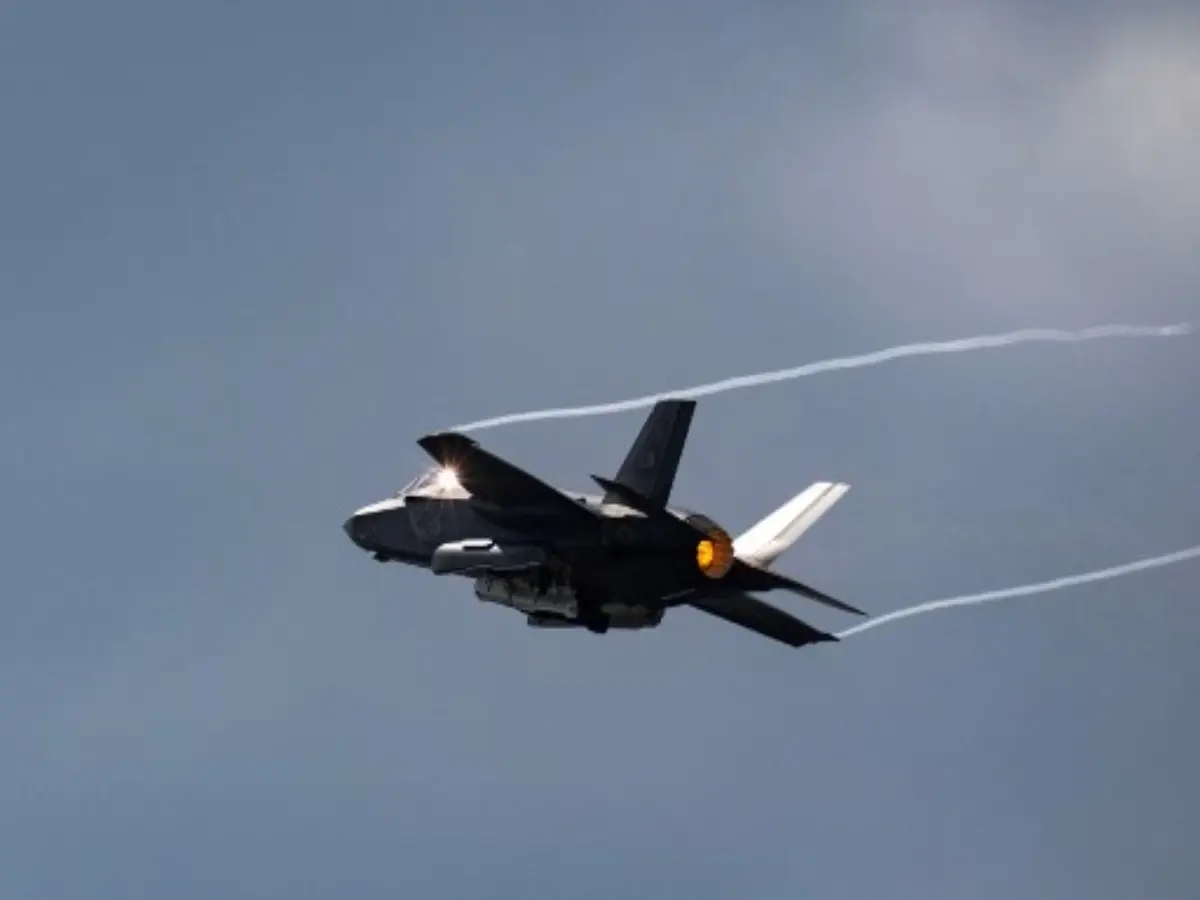
IAF Veterans Outline India's Networked Air Warfare Strategy
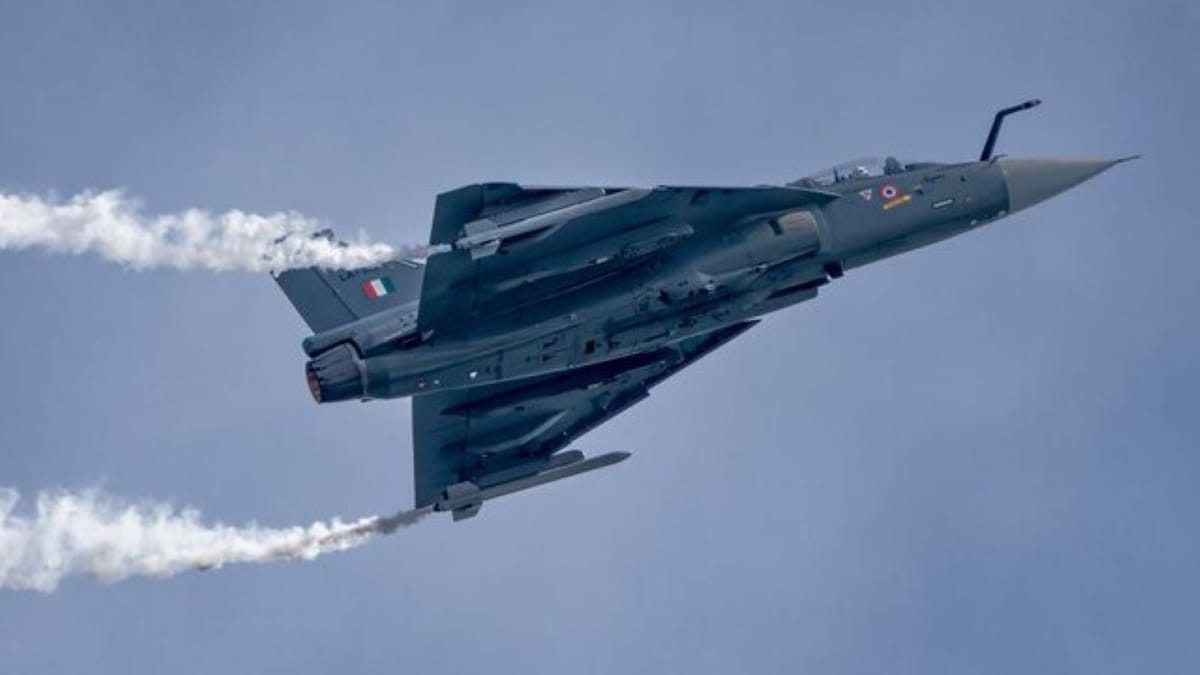
IAF Needs 40 Aircraft Per Squadron, Chief Says
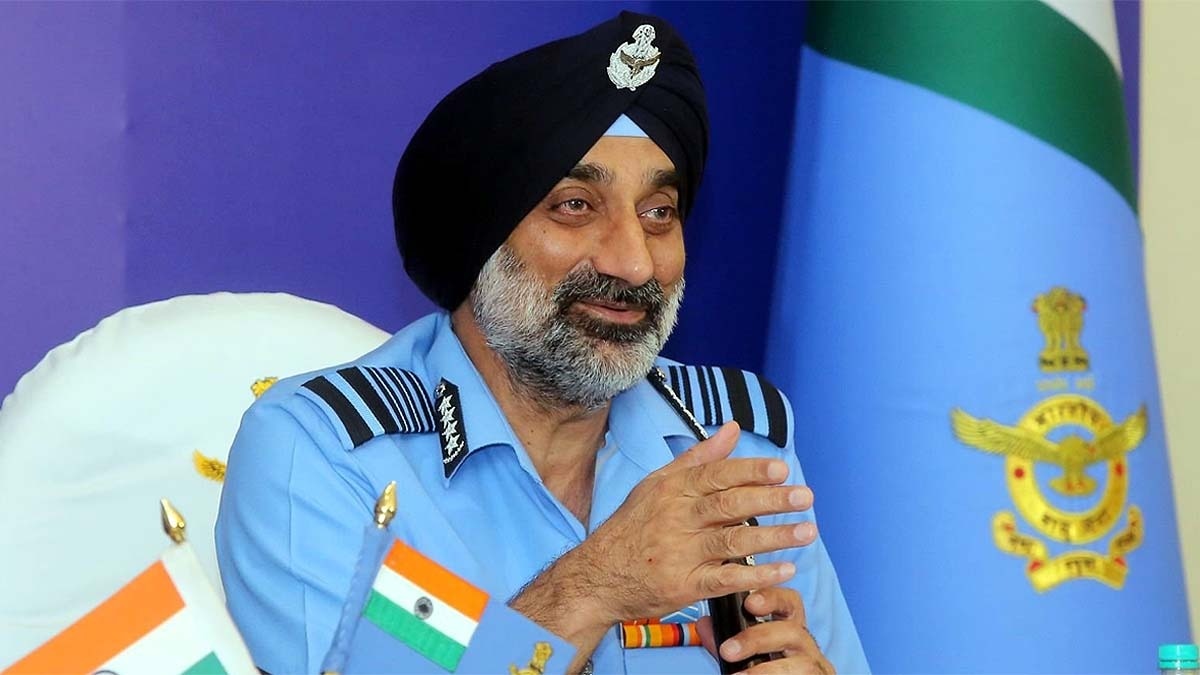
Tejas Delays Hurt IAF as Fighter Squadron Strength Falls

Uttar Pradesh Startups Showcase Innovations at International Trade Show
