2 hrs ago
IAF Veterans Outline India's Networked Air Warfare Strategy
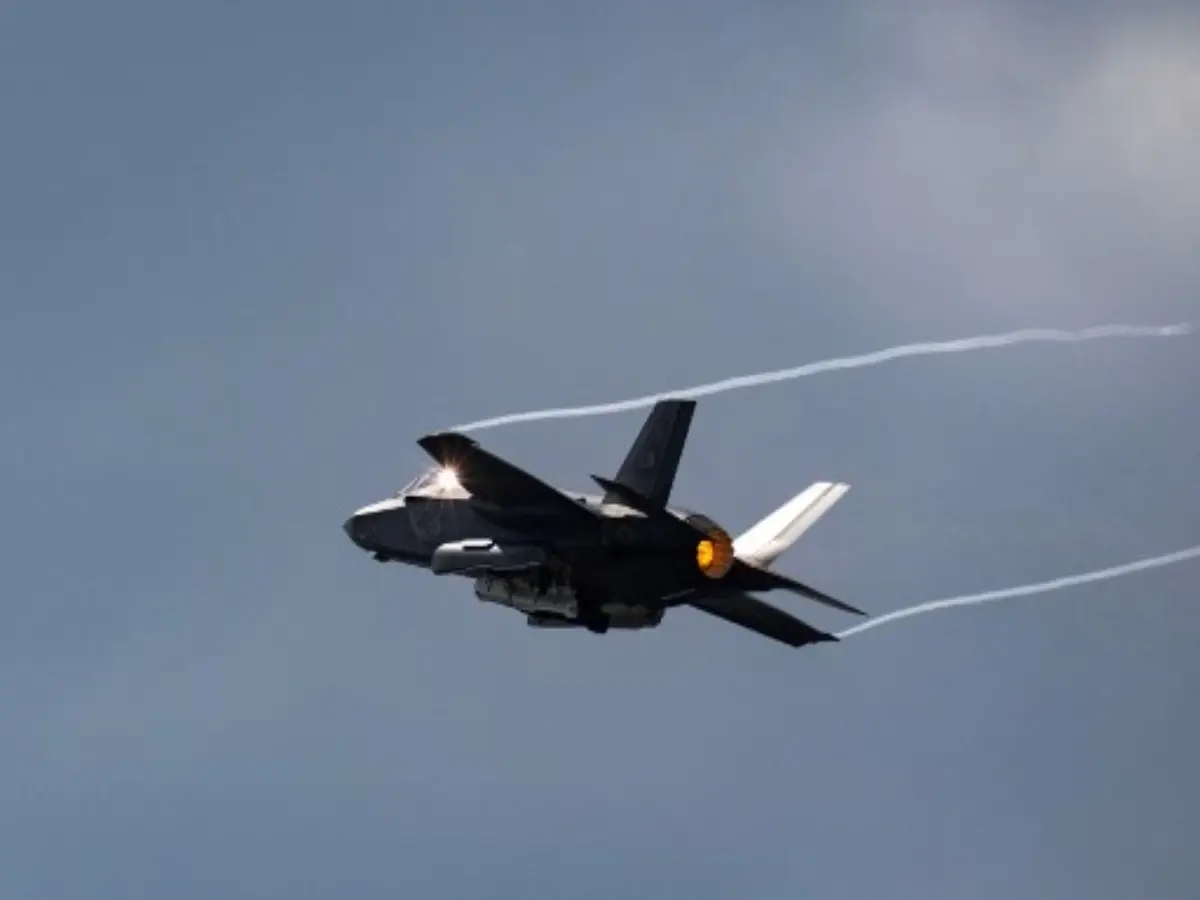
Two retired Indian Air Force leaders described how future air battles may work.
They said aircraft will need to work together with drones, sensors, satellites and command centres.
One called this “Coherent Collaborative Combat.”
In this system, fighter pilots could guide several unmanned aircraft, like conductors leading an orchestra.
The drones would support the fighters, not replace stealth aircraft.
Satellites can help military forces communicate, navigate and gather information.
The officers also said India should strengthen its aircraft and develop more advanced weapons.
Their main point was that future air power will depend on a connected system, not just individual planes.

Former senior Indian Air Force officers say future air superiority will depend on connected aircraft, drones, sensors, satellites and command centres.
Anil Khosla calls this approach “Coherent Collaborative Combat,” in which forces sense, decide and adapt as a network.
Khosla says pilots could coordinate autonomous or semi-autonomous drones as “Mother Goose” leaders, rather than being replaced by them.
Anil Chopra stressed satellites’ roles in intelligence, surveillance, navigation, communications and targeting, and cited a planned 52-satellite programme.
Chopra urged faster fighter upgrades and acquisitions, indigenous aircraft programmes, and development of combat drones, hypersonic weapons and directed-energy systems.
- Who
- Retired Air Marshals Anil Khosla and Anil Chopra, former senior Indian Air Force officers.
- What
- They outlined an approach to future Indian air warfare based on connected combat systems, drones, satellites and modern weapons.
- Where
- India.
- When
- The officers discussed the strategy in an interview with WION Defence Pulse; no date is stated.
- Why
- They said future air superiority will depend on forces that can connect systems and sense, decide and adapt quickly.
Emphasis on integrated systems
Emphasis on force modernisation
Priorities for future air power
Emphasis on integrated systems
Khosla stressed connecting fighters, drones, sensors, satellites and command centres into a coherent combat network.
Emphasis on force modernisation
Chopra emphasized urgent upgrades and acquisitions, indigenous aircraft programmes, combat drones and advanced weapons.
Role of unmanned aircraft
Emphasis on integrated systems
Khosla presented autonomous or semi-autonomous drones as platforms that fighter pilots could coordinate, supporting rather than replacing stealth fighters.
Emphasis on force modernisation
Chopra described unmanned warfare as a modernisation priority and called for thousands of combat drones.
Key facts
- Khosla's framework
- “Coherent Collaborative Combat,” or the three Cs.
- Manned-unmanned teaming
- Khosla described fighter pilots coordinating autonomous or semi-autonomous drones as the “Mother Goose” concept.
- Satellite programme
- Chopra cited India's planned 52-satellite programme.
- Satellite roles
- Intelligence, surveillance, reconnaissance, navigation, communications and targeting.
- Indian programme mentioned
- Hindustan Aeronautics Limited is pursuing related technologies through its CATS programme.
- Modernisation priorities
- Chopra called for faster Su-30MKI upgrades, fighter acquisitions and indigenous combat aircraft programmes.
- Additional technologies
- Chopra also highlighted hypersonic weapons and directed-energy systems.
Quotes
Air Marshal Anil Chopra
Retired Indian Air Marshal and former Director General of the Centre for Air Power Studies
“One who controls air and space controls this planet”
 wionews.com
Sources
Related news
Autonomous Wingmen Could Help Ease the Indian Air Force’s Squeeze
IAF Says Drones Are Evolutionary, Favors Integrated Combat Operations
IAF Marks 94th Air Force Day, Singh Stresses Readiness
India Delays Stealth Fighter Decision, Pursues AI-Enabled Air Networks
IAF Chief Urges Faster AMCA as China-Pakistan Fighter Concerns Grow
India’s ‘Mobbing Doctrine’ Envisions AI Swarms Challenging Manned Fighters
Modi Salutes Air Warriors on India's 94th Air Force Day
HAL Koraput Delivers 2,000th Engine, Adds Shakti Line
IAF at 94: Ageing Fleet Spurs Calls for Indigenous Engines