4 hrs ago
Gurgaon RWAs Challenge Billing System and Retrospective Power Tariffs
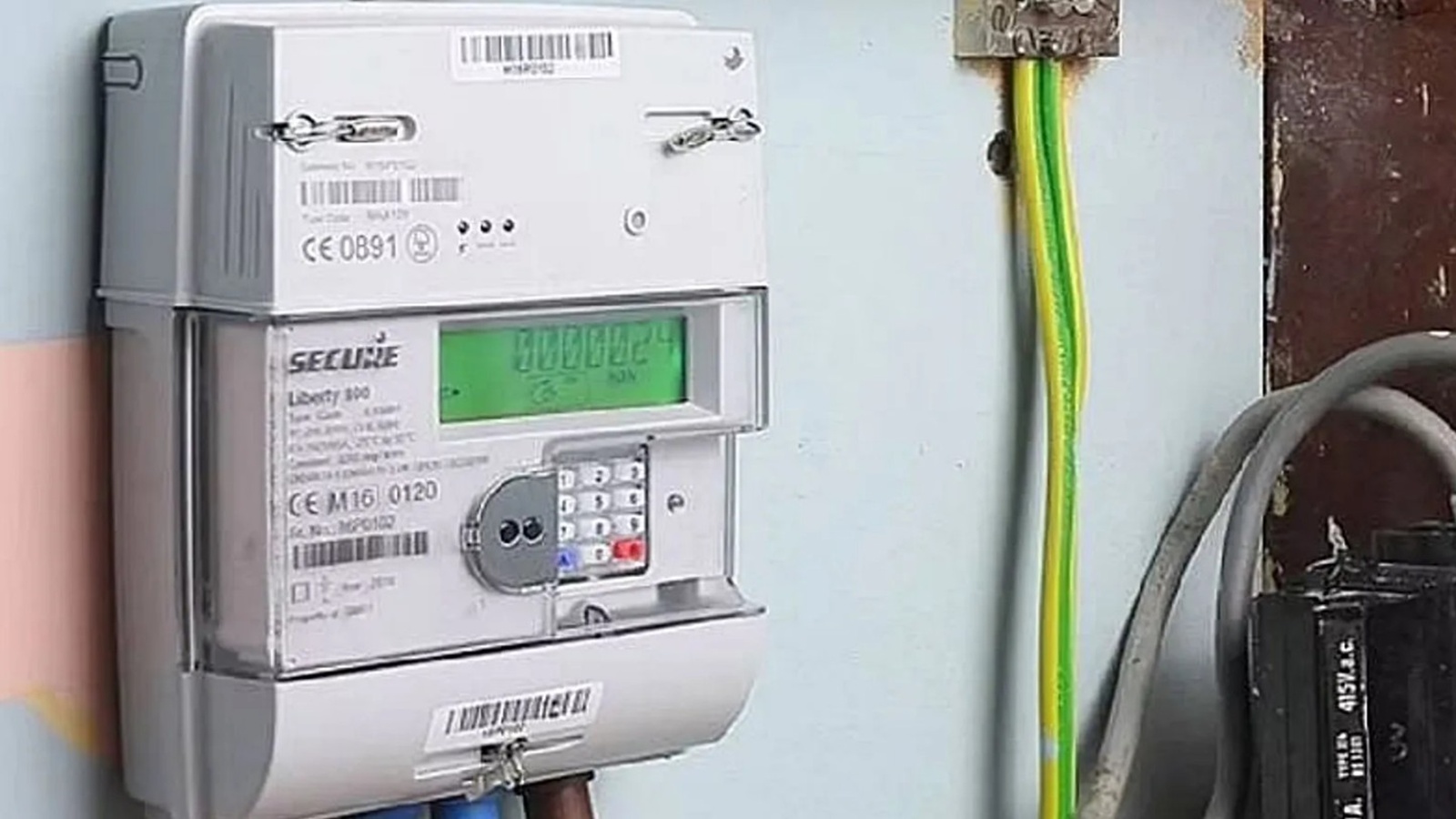
Residents in Gurgaon housing societies say their electricity bills have become difficult to manage.
Their societies receive one large electricity bill and then divide the cost among residents.
Homes use domestic rates, while shared facilities such as clubs and shops may use commercial rates.
Some societies say they received commercial charges for several years in the past.
Residents believe these charges were not their fault because they had already declared their electricity loads.
They also say the new billing software has not worked properly in their societies.
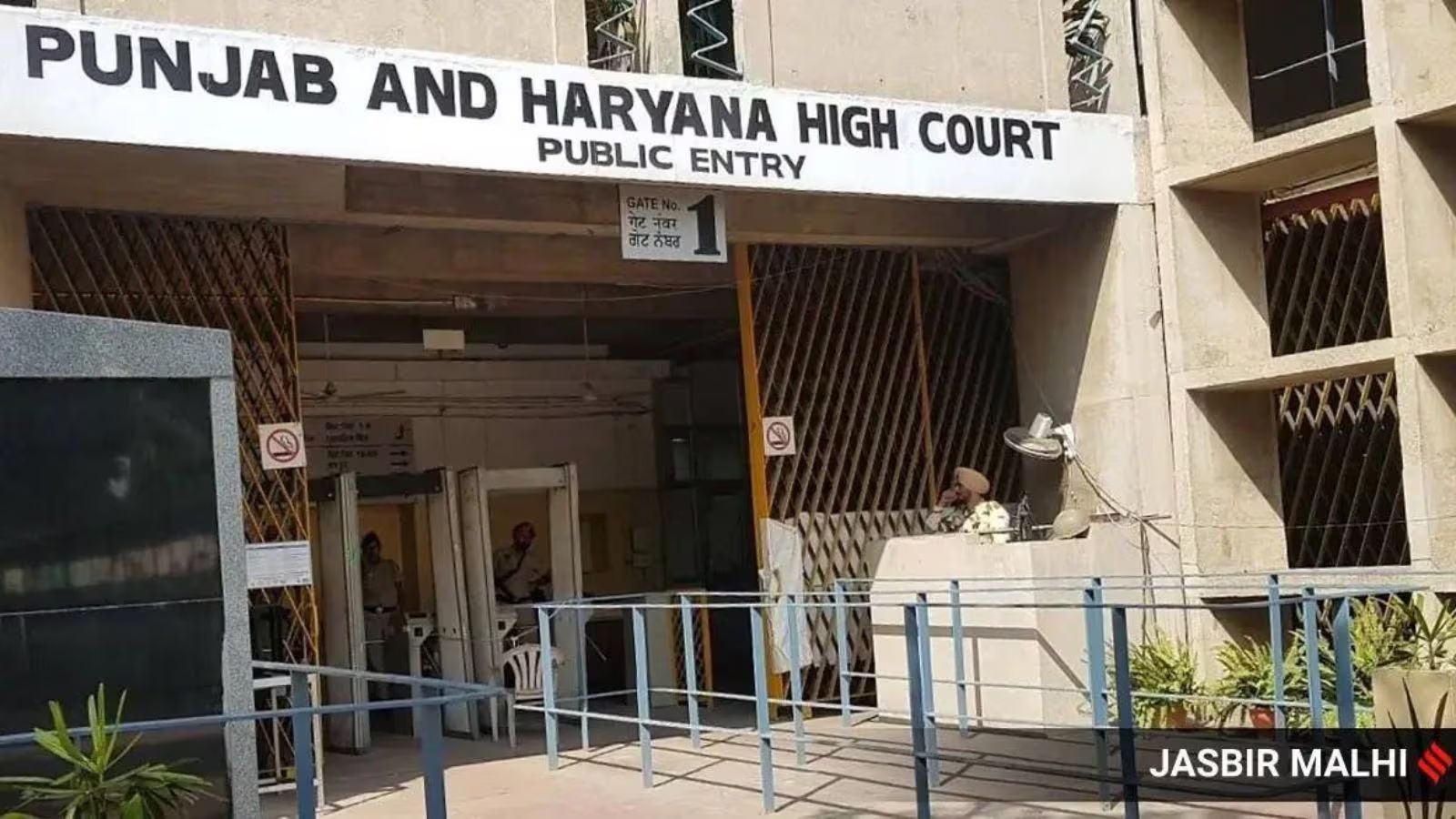
The power regulator, HERC, is investigating whether the rules were followed.
The residents want individual electricity connections where possible and better instructions before the software becomes compulsory.

More than 15 RWAs along the Dwarka Expressway plan to raise billing concerns before HERC.
HERC began proceedings over alleged non-compliance with Single Point Supply regulations and delayed Unified Billing Software rollout.
Residents say retrospective non-domestic tariff bills, including one ₹97 lakh claim, were issued for past years.
RWAs report operational flaws and unsuccessful attempts to transition societies to the Unified Billing System.
Residents want direct individual connections where feasible, plus software trials, written procedures, and technical training.
- Who
- Resident Welfare Associations representing housing societies along Gurgaon’s Dwarka Expressway, the Haryana Electricity Regulatory Commission, and Dakshin Haryana Bijli Vitran Nigam.
- What
- The RWAs plan to present concerns about Unified Billing System problems, retrospective commercial tariffs, and the Single Point Supply framework.
- Where
- Housing societies in Sectors 99 to 113 along the Dwarka Expressway in Gurgaon.
- When
- HERC initiated proceedings on August 25; DHBVN was given until October 7 to respond, with the next hearing scheduled for October 12.
- Why
- The RWAs say billing software and tariff administration have created operational difficulties and retrospective arrears for societies.
Residents and RWAs
DHBVN and regulatory process
Responsibility for compliance
Residents and RWAs
RWAs say administrative and technical shortcomings in the billing system are being shifted onto residents and societies.
DHBVN and regulatory process
DHBVN’s counsel told HERC that compliance rested with developers and RWAs and requested time to collect field data.
Retrospective commercial tariffs
Residents and RWAs
RWAs argue that retrospective non-domestic bills are unfair where commercial loads were already declared in approved electrical plans.
DHBVN and regulatory process
The articles do not provide DHBVN’s substantive response to the residents’ request to withdraw or revise these arrears.
Unified Billing System
Residents and RWAs
Residents support unified billing in principle but say the software has operational flaws, failed onboarding attempts, and lacks adequate training and procedures.
DHBVN and regulatory process
The system was mandated through a 2022 circular, while HERC is seeking details on compliance and the delayed rollout.
Key facts
- Regulator
- Haryana Electricity Regulatory Commission (HERC)
- Power distributor
- Dakshin Haryana Bijli Vitran Nigam (DHBVN)
- Proceedings initiated
- August 25
- DHBVN response deadline
- October 7
- Next hearing
- October 12
- RWA participation
- Representatives from more than 15 RWAs
- Reported arrears
- ₹97 lakh claimed against Suncity Avenue for commercial billing arrears
- Main requested remedies
- Direct connections where feasible, software trials, a written SOP, and technical training
Quotes
Sunny Singh Daultabad
Representative of the Dwarka Expressway Gurugram Development Association
“SPS billing is a highly technical and financially sensitive exercise involving metering, tariff categorisation, reconciliation, and recovery. It is effectively being handled by RWA office-bearers who are ordinary residents without domain expertise.”
 indianexpress.com
“We want to adopt the Unified Billing System, but we strongly doubt the software will resolve our issues. Not a single society in Gurgaon has successfully transitioned to this software so far.”
indianexpress.com
Sources
Related news
Gurugram flat owners fight for RWA membership rights
Karnataka Assembly Passes Apartment Bill Amid Opposition Protests

MSEDCL Resolves 743 Complaints At Panvel Grievance Camps
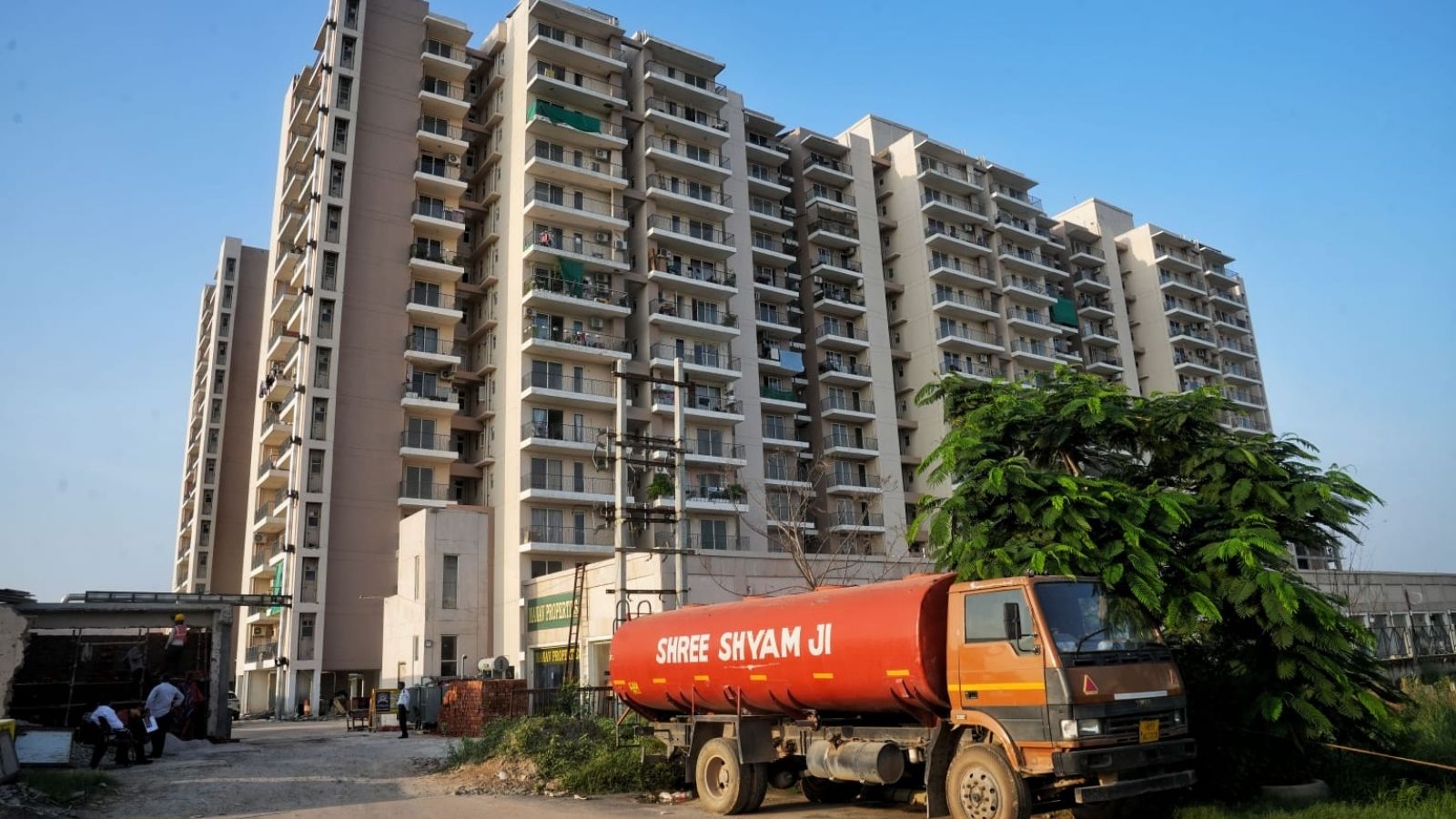
Gurgaon’s ‘Ready’ Homes Face Missing Roads, Water and Power

DLF, Old Gurugram Homeowners Protest Bulldozer Action, Seek Regularisation
Haryana approves purchase of 26,161 transformers to boost power infrastructure
Gurugram residents take to streets over 48-hour power cut
Haryana Considers 15-17% Power Tariff Hike

Gurugram's Sanath Road Transformed into Safe, Green Street