

7 months ago
Haryana Considers 15-17% Power Tariff Hike
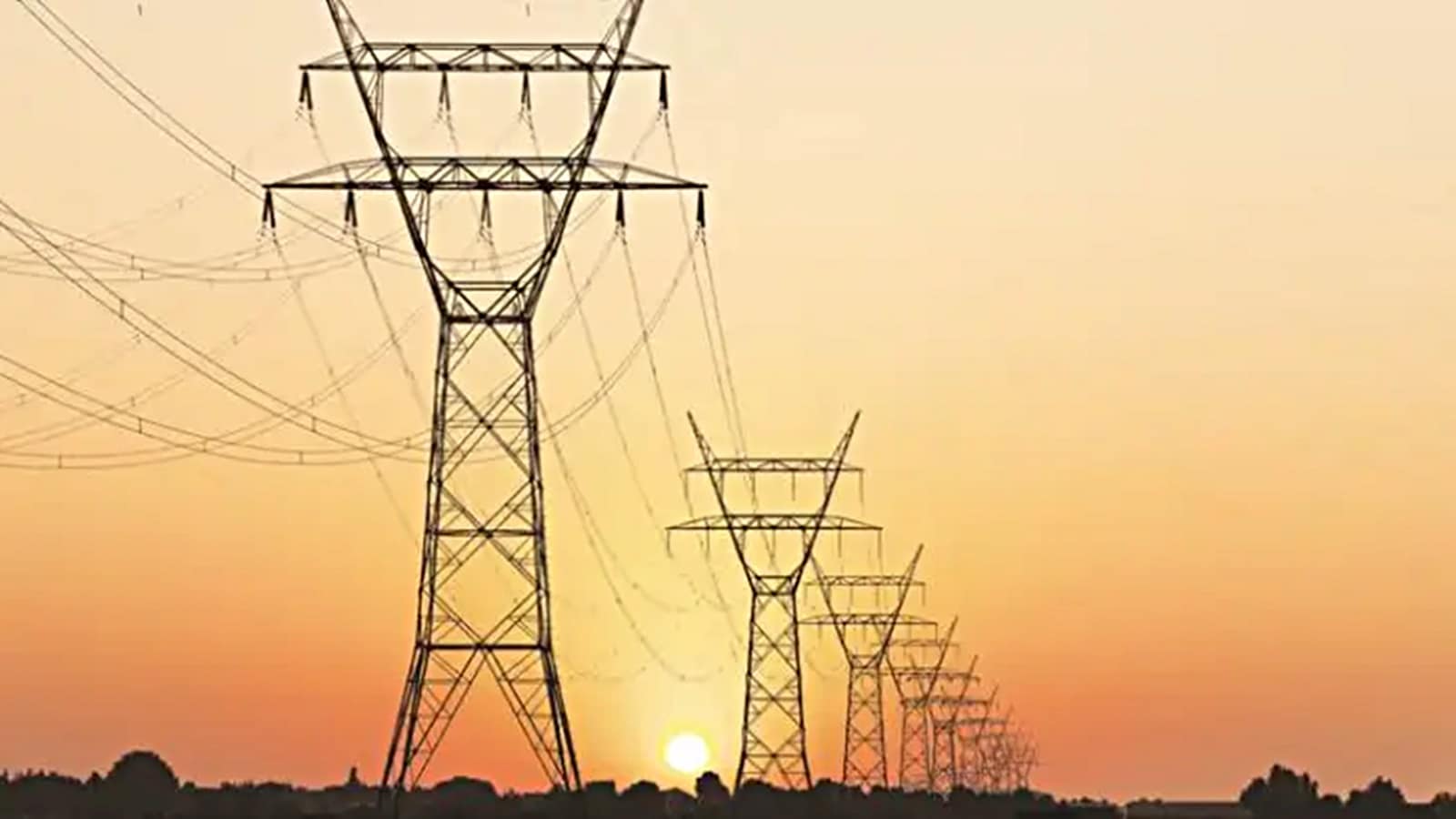
The electricity companies in Haryana, India, want to increase the price of electricity by about 15-17% starting next year.
This is because they say they are losing money due to higher costs and delays in getting money from the government for certain subsidies.
The people who decide these things, called the Haryana Electricity Regulatory Commission (HERC), are looking at the request but are being careful because people and politicians are worried about the increase.
The last time the prices went up was in April 2025, and that was the first big increase in about seven or eight years.
The companies say they need more money to keep providing electricity, but some people think the companies should be more efficient instead of raising prices.

Haryana's power utilities, DHBVN and UHBVN, have proposed a 15-17% tariff hike for the fiscal year 2026-27.
The last tariff revision was in April 2025, with an increase of around 20-30 paise per unit.
The proposed hike aims to bridge a revenue shortfall of over Rs 4,000 crore due to rising costs and delayed subsidies.
HERC is currently examining the proposals and has sought additional data and clarifications from the utilities.
The proposed hike has faced political and public resistance, with concerns about procedural lapses and the impact on domestic budgets and industrial competitiveness.
- Who
- Haryana Electricity Regulatory Commission (HERC), Dakshin Haryana Bijli Vitran Nigam (DHBVN), Uttar Haryana Bijli Vitran Nigam (UHBVN)
- What
- Proposed 15-17% power tariff hike for the fiscal year 2026-27
- Where
- Haryana, India
- When
- Decision expected before April 1, 2026
- Why
- To bridge widening revenue gaps due to rising power purchase costs, transmission expenses, and delays in subsidy reimbursements
Key facts
- Proposed Hike
- 15-17%
- Current Fiscal Year
- 2025-26
- Proposed Fiscal Year
- 2026-27
- Annual Revenue Requirement
- Rs 51,000 crore
- Revenue Shortfall
- Over Rs 4,000 crore
- Last Tariff Revision
- April 2025
- Average Annual Tariff Hike (Past Decade)
- 1% or less
Quotes
HERC officials
Regulatory body overseeing electricity tariffs in Haryana
“In April 2025, HERC approved an increase of around 20-30 paise per unit across several consumer categories, marking the first significant revision in nearly seven to eight years. Before that, electricity tariffs in the state had largely remained unchanged since 2017-18. As a result, despite the 2025 increase, Haryana’s average annual tariff hike over the past decade remains relatively low, estimated at roughly 1 per cent per year or even less when averaged over the full period. The 2025 revision itself translated into an effective one-time rise of around 7-9 per cent for domestic consumers, depending on usage slabs.”
 indianexpress.com
“According to the utilities, rising power purchase costs, transmission expenses, and delays in subsidy reimbursements, particularly related to agriculture and rural supply, have significantly strained their finances. Based on these filings, indicative projections suggest that electricity tariffs across domestic, commercial and industrial categories could rise by around 15-17 per cent if the proposals are approved largely in their current form. Smaller increases of about 5 per cent have been suggested for categories such as private tube wells and electric vehicle charging, though these figures remain provisional.”
indianexpress.com
Haryana Electricity Regulatory Commission (HERC) officials
Regulatory body overseeing electricity tariffs in Haryana
“Currently examining tariff and revenue proposals submitted by UHBVN and DHBVN for the fiscal 2026-27, and a final decision is expected before April 1.”
indianexpress.com
Prof Sampat Singh
Former Haryana power minister
“Inefficiencies should not be compensated through higher tariffs.”
indianexpress.com
Regulatory experts
Experts in regulatory matters related to electricity tariffs
“HERC could still moderate the proposed hike, stagger any increases, or even delay the final tariff order depending on how satisfactorily the discoms respond to queries on losses, subsidies and efficiency targets.”
indianexpress.com
Sources
Related news

Haryana Plans 582 Village Knowledge Centres for Rural Services
UP Minister Visits Ankit Baliyan Family, Promises Strict Action

Congress Questions Haryana’s Falling Sex Ratio Despite Beti Bachao
Haryana Says Ayushman Bharat Health Services Continue Despite IMA Call

Private Hospitals Flag Ayushman Bharat Payment Delays and Claim Deductions
