

1 week ago
Karnataka Assembly Passes Apartment Bill Amid Opposition Protests

Karnataka lawmakers approved a new law for apartment buildings.
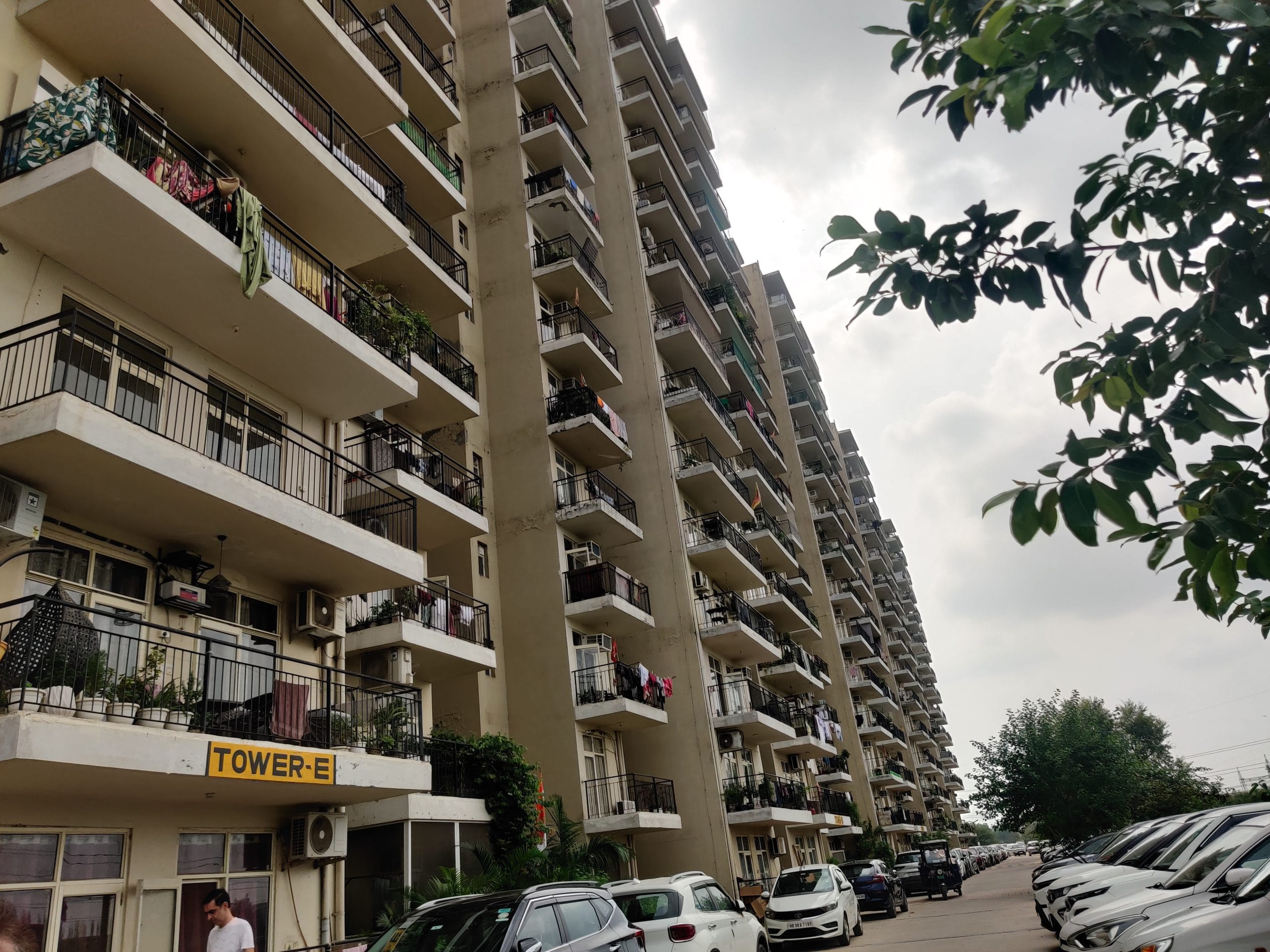
It explains how homes and shared spaces, such as roads, clubhouses and open areas, should be managed.
It also says apartment owners must create their residents’ association under this new law.
Government-appointed officers would help settle disagreements.
People could appeal those decisions.
If an old building is unsafe, it could be rebuilt when 75% of owners agree.
Owners who disagree could receive twice the assessed value of their property, and the property could be acquired.
Two other Bills deal with unsafe private streets and roads in unauthorized layouts.
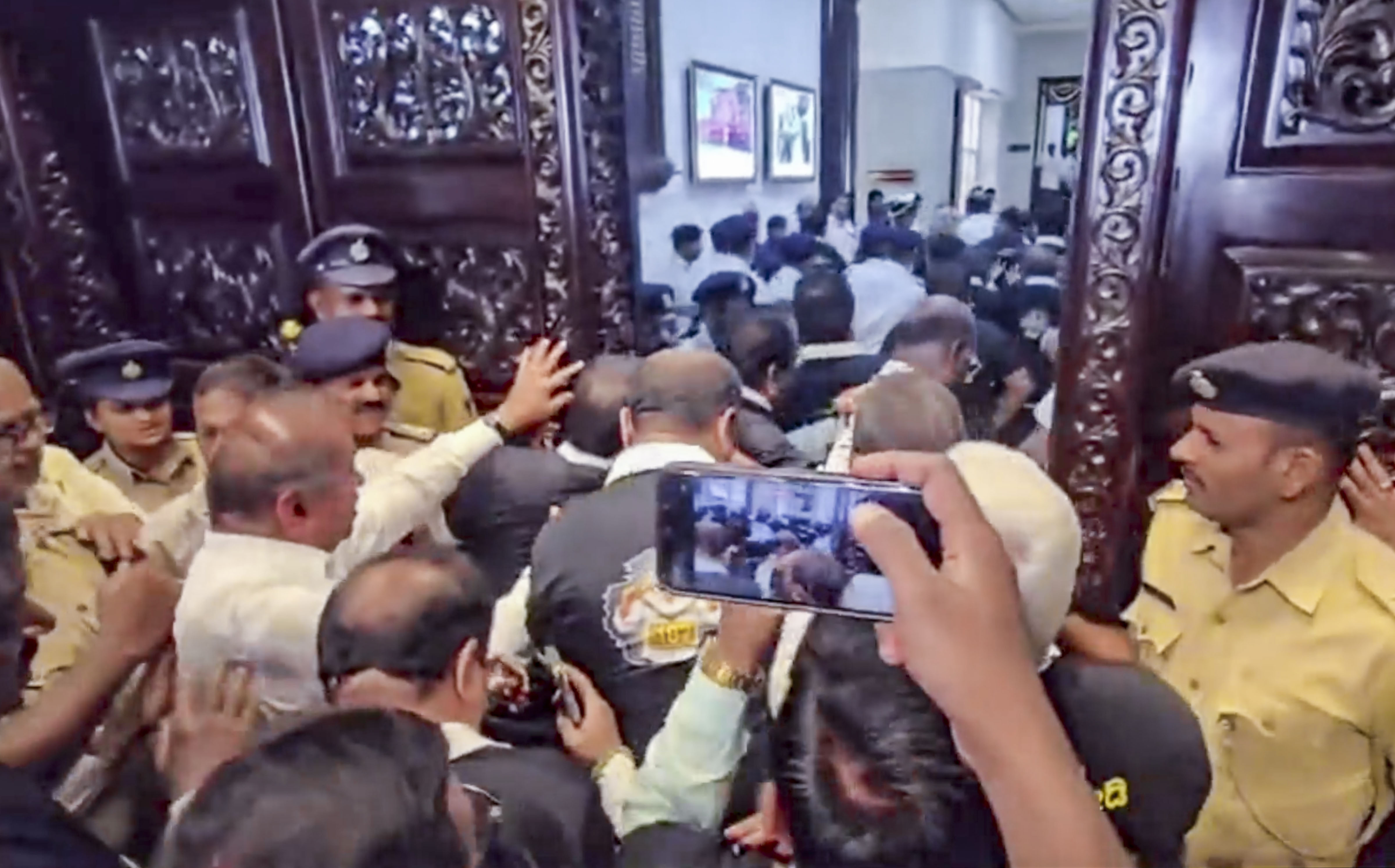
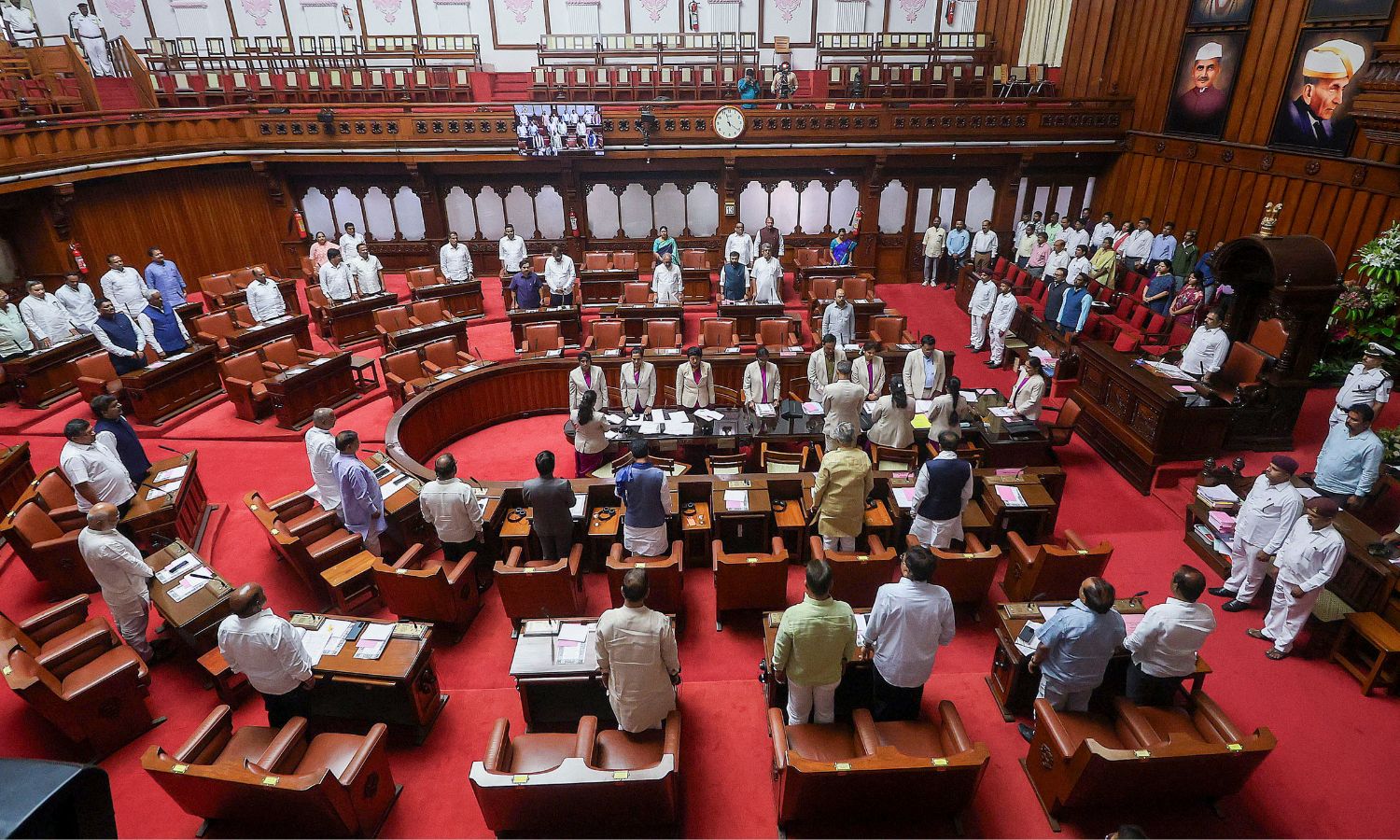
The Bills were passed while BJP and JD(S) members protested and demanded Minister N Nagendra’s resignation over corruption charges.

The Karnataka Assembly passed the Apartment (Ownership and Management) Bill, 2026, along with two municipal amendment Bills.
The apartment Bill sets rules for individual ownership, undivided shares, common areas, facilities and residents’ welfare associations.
It allows reconstruction when 75% of apartment owners approve, with dissenting owners potentially receiving twice their property’s assessed value.
Government-appointed competent authorities would handle disputes at Gram Panchayat, municipal and municipal corporation levels, with appeals available.
The municipal Bills address unsafe private streets and roads in unauthorized layouts, including possible public-road recognition and A-Khata eligibility.
- Who
- The Karnataka Assembly, Bengaluru Development Minister Krishna Byre Gowda, apartment owners and protesting BJP and JD(S) members.
- What
- The Assembly passed the Karnataka Apartment (Ownership and Management) Bill, 2026, and the Karnataka Municipal Corporations and Karnataka Municipalities amendment Bills.
- Where
- The Karnataka Assembly in Bengaluru, Karnataka.
- When
- Friday; the apartment legislation is identified as the 2026 Bill.
- Why
- The government said existing laws do not adequately address apartment ownership, common-area management, competing associations, disputes and reconstruction.
Karnataka Government
BJP and JD(S) Opposition
Purpose of the apartment law
Karnataka Government
The government described the Bill as a comprehensive response to growing apartment living and disputes over common areas, associations, management and reconstruction.
BJP and JD(S) Opposition
The articles do not state the opposition’s position on the Bill’s apartment-related provisions.
Assembly proceedings and ministerial accountability
Karnataka Government
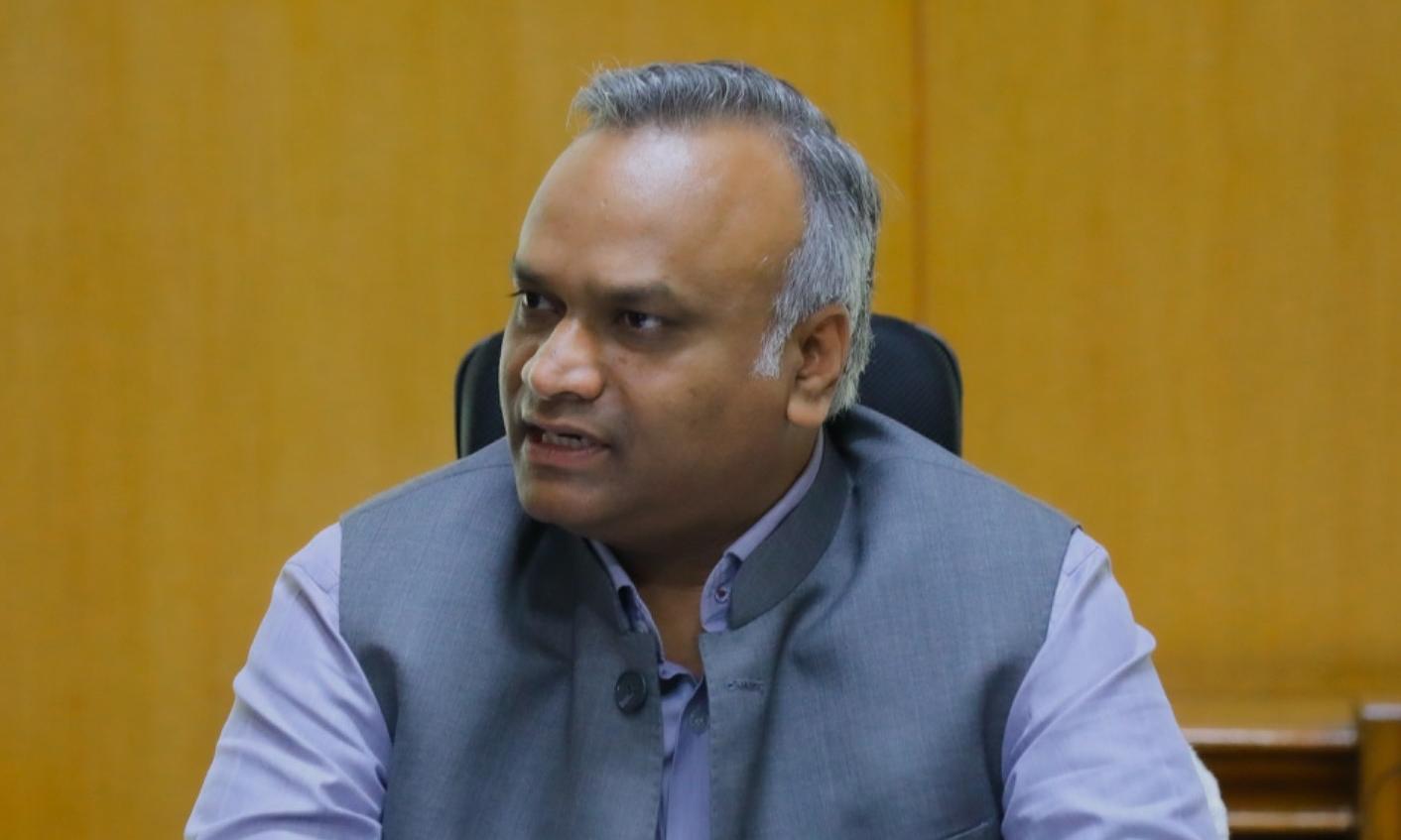
The government advanced and passed the three Bills, while Krishna Byre Gowda said the law could be improved in the future if necessary.
BJP and JD(S) Opposition
BJP and JD(S) members protested during the proceedings and demanded the resignation of Minister N Nagendra over corruption charges.
Key facts
- Apartment framework
- The Bill covers individual apartment ownership, undivided interests in common areas, and the governance and use of common facilities.
- Residents’ associations
- Residents’ Welfare Associations of apartment owners must be formed under the new law rather than another law.
- Dispute resolution
- Competent authorities would be appointed at Gram Panchayat, municipal and municipal corporation levels, with appeal provisions.
- Reconstruction threshold
- A building could be reconstructed if 75% of apartment owners approve.
- Dissenting owners
- The Bill provides for compensation equal to twice an owner’s assessed property value and possible acquisition for reconstruction.
- Private streets
- Officials could declare a private street, including its drains, public if its poor condition endangers public safety.
- Unauthorized-layout roads
- Certain roads recorded in original landowners’ names could be declared public roads, allowing eligible sites and houses to qualify for A-Khata records subject to prescribed rules.
Quotes
Krishna Byre Gowda
Karnataka Bengaluru Development Minister who piloted the apartment legislation
“Similarly, the RERA law does not address or provide solutions to all the problems relating to apartments. In addition, many apartment complexes have registered Residents' Welfare Associations. Some have been registered under the 1972 law, while others have been registered under the Cooperative Societies Act. As a result, in some apartment complexes, there are two or three associations, each claiming to be the officially recognized association, leading to disputes and confusion among them.”
 deccanchronicle.com
“Urbanization in our state is growing very rapidly. Since land is a very scarce resource, instead of constructing individual houses as was done in the past, the construction of apartment-style housing is increasing significantly. As this phenomenon continues to grow day by day, more and more people are living in apartments and residential complexes.”
deccanchronicle.com
Sources
Related news
Karnataka Council Passes Two Bills Amid BJP Protests

Karnataka Assembly Passes Three Bills Amid Opposition Protests
Karnataka Approves Bill Regulating Public Property Use Amid RSS Row

Karnataka High Court Upholds Shared Apartment Amenities Agreement
Gurugram flat owners fight for RWA membership rights

Karnataka Cabinet Clears Bill Regulating Public Spaces Amid Congress-RSS Row
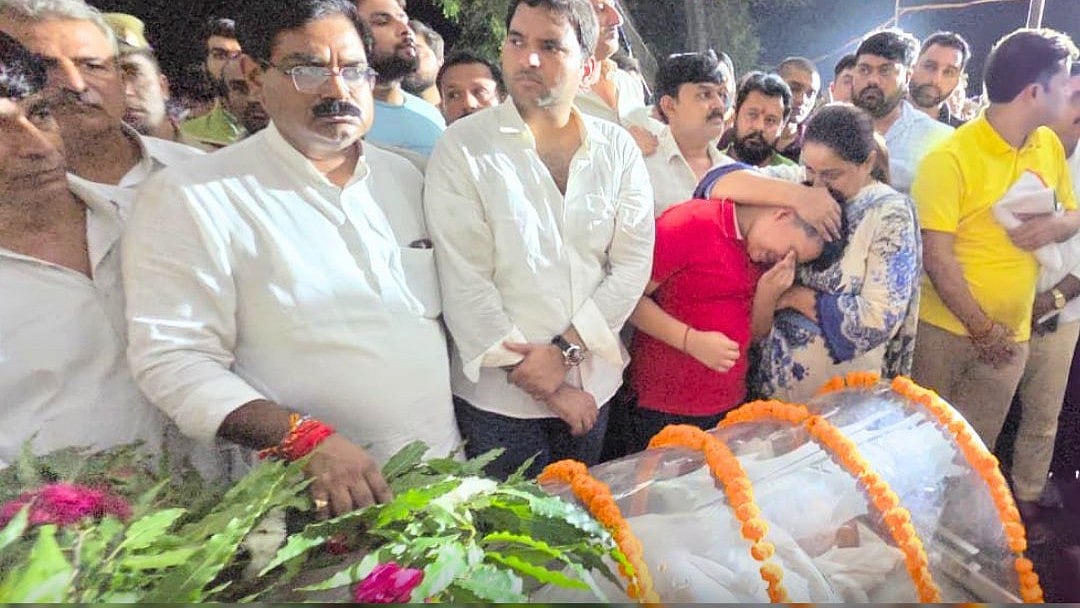
BJP MLA Anil Sharma Dies After Prolonged Illness, Yogi Mourns

India’s Global Power Ambitions Face Economic and Democratic Setbacks

Sonia Gandhi Memoir Sparks Debate Over Politics, Publishing And Speech

Rajasthan BJP Promises Early Disturbed Area Law Enforcement

Punjab Police, ED Clash Over Alleged Transfer-Posting Network