2 weeks ago
Iran War Pulls US Carrier, Leaving Pacific Gap for China

The US Navy has giant ships called aircraft carriers, which are like floating airports.
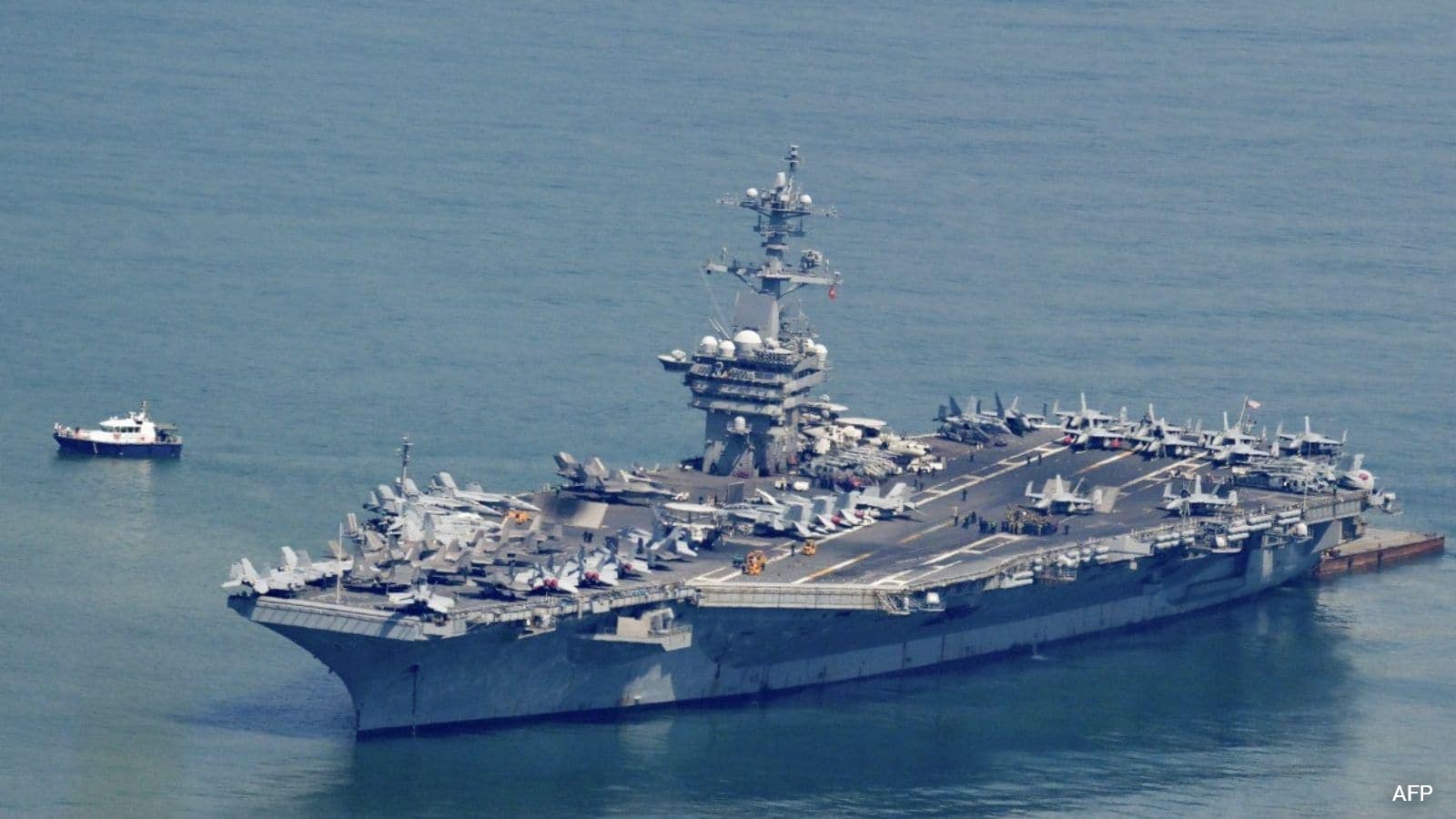
One of them, the USS Abraham Lincoln, has been busy fighting in a war against Iran in the Middle East.
It has been at sea for more than 240 days in a row, which is a very long time.
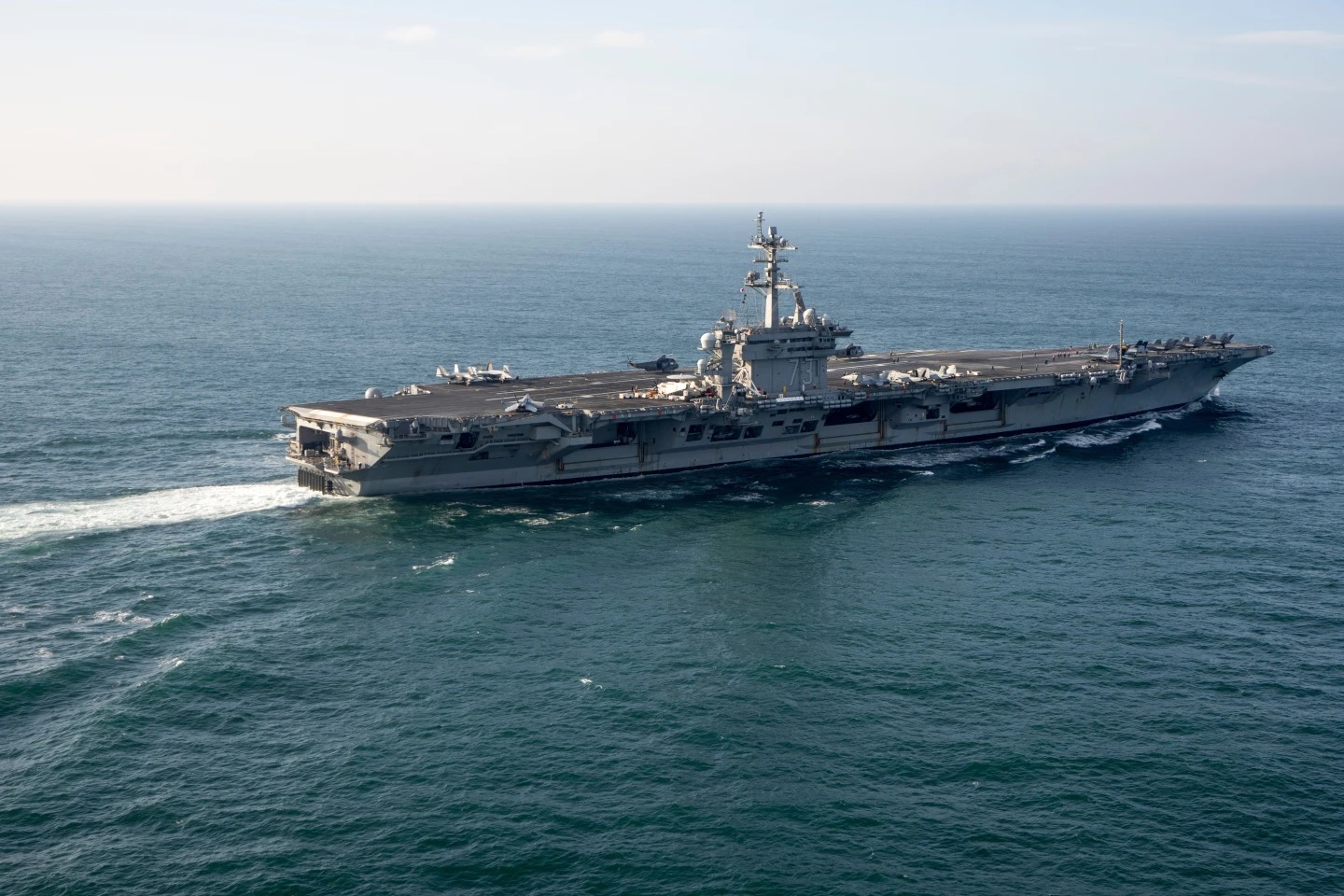
The sailors get tired, so the Navy is sending another carrier, the USS George Washington, to take its place.
That means there will be no American aircraft carrier in the western Pacific for a little while.
At the same time, China is doing more military training near countries that are friends of the US, such as Japan and the Philippines.
Some experts think China might use this empty spot to show how powerful its military has become.
They do not expect China to try to take over Taiwan, though.
US leaders are visiting allies to reassure them that America still cares about the Pacific.
The US has to make a hard choice between the war with Iran and staying strong in the Pacific.

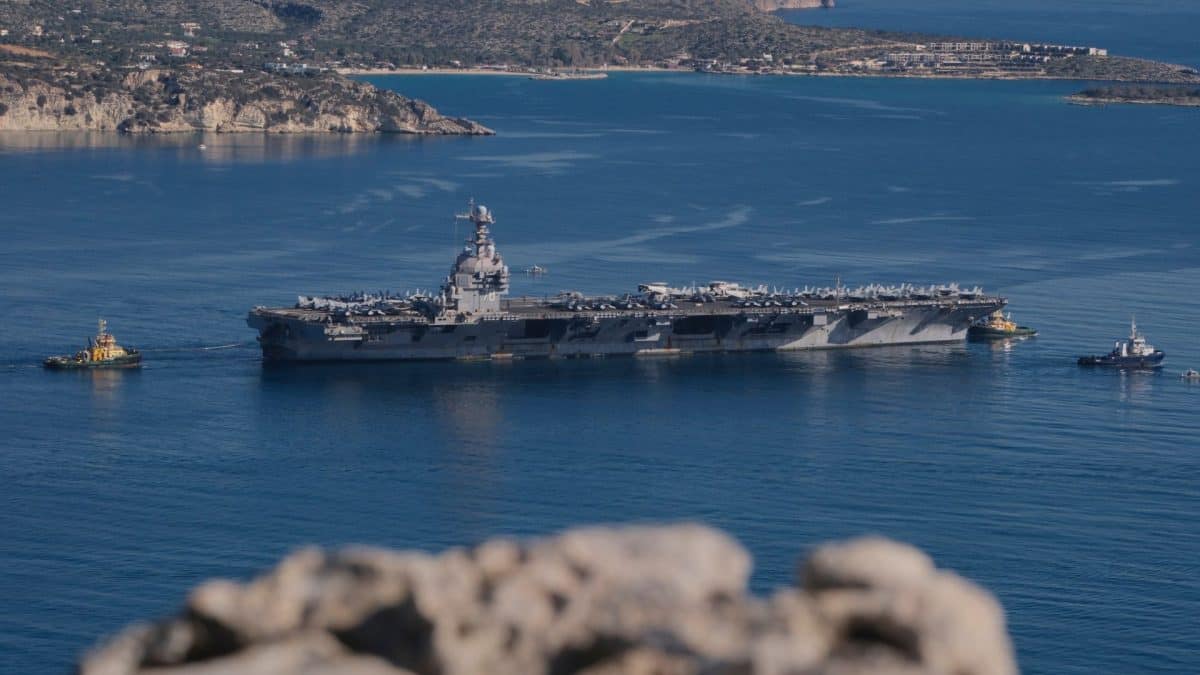
The USS George Washington is being moved from the western Pacific to replace the USS Abraham Lincoln in the West Asia, temporarily leaving the Pacific without a US aircraft carrier.
The Lincoln has spent more than 240 consecutive days at sea, prompting Democratic lawmakers to call for scrutiny of crew conditions; Acting Navy Secretary Hung Cao said it will return home after a deployment of more than 250 days.
China has stepped up military activity, including naval exercises with Indonesia, drills near the Scarborough Shoal in the South China Sea and a live-fire exercise near Okinotori.
Adm. Frank Bradley, head of US Special Operations Command, visited Manila on Thursday to offer expanded joint exercises and is expected to travel to Japan.
Analysts say the gap is unlikely to signal a Chinese move on Taiwan but could let Beijing test US resolve and the confidence of allies such as Japan, the Philippines and Indonesia.
- Who
- The administration of President Donald Trump and the US Navy, China's military, US allies including Japan, the Philippines and Indonesia, and analysts such as Robert Farley of the University of Kentucky, Bryan Clark of the Hudson Institute, Greg Poling of the Center for Strategic and International Studies and Michael Swaine of the Quincy Institute.
- What
- The USS George Washington is being moved from the western Pacific to the West Asia to replace the USS Abraham Lincoln, temporarily leaving the Pacific without a US aircraft carrier as China steps up military activity in the region.
- Where
- West Asia (the Middle East), the western Pacific, the South China Sea, Japan, the Philippines and Indonesia.
- When
- No exact date is given; the move follows the Lincoln's record deployment of more than 240 days (more than 250 by Hung Cao's account) beyond its original May return date, and Adm. Frank Bradley visited Manila on Thursday.
- Why
- The prolonged US military campaign against Iran is straining the Navy's 11-carrier fleet, and Washington wants to reassure allies that the Pacific remains a priority even as Beijing may see the gap as a chance to demonstrate its growing military power.
Analysts and critics
US officials and naval planners
Carrier gap and China
Analysts and critics
Analysts such as Bryan Clark of the Hudson Institute say Beijing can use the gap to show that 'the U.S. is not the big dog in the western Pacific anymore' and to test the confidence of allies such as the Philippines, Japan and Indonesia.
US officials and naval planners
US officials insist the gap is temporary, and Adm. Frank Bradley is visiting allies to promise expanded joint exercises, while Acting Navy Secretary Hung Cao says the Pacific remains a priority and troop welfare comes first.
Reliance on aircraft carriers
Analysts and critics
Analysts such as Michael Swaine of the Quincy Institute and Robert Farley of the University of Kentucky question whether large carriers remain sustainable as drones, missiles and other weapons reshape warfare and exhaust crews.
US officials and naval planners
Carriers give allies a visible demonstration of US military reach, and the Navy is planning further rotations such as sending the USS Theodore Roosevelt to the Middle East to allow the George Washington to return to the Pacific.
Key facts
- Carrier moving into the Iran campaign
- USS George Washington, from the western Pacific
- Carrier being replaced
- USS Abraham Lincoln
- Lincoln deployment length
- More than 240 consecutive days at sea; Hung Cao cited more than 250 days
- US carrier fleet size
- 11 aircraft carriers; typically two or three deployed at a time
- Gerald R. Ford deployment
- 11 months, returned in May; longest since the Vietnam War; fire forced a return to the Mediterranean for repairs
- Chinese activity cited
- Naval exercises with Indonesia; drills near Scarborough Shoal; live-fire exercise near Okinotori
- US reassurance visit
- Adm. Frank Bradley in Manila on Thursday; Japan trip expected
- Possible next carrier move
- USS Theodore Roosevelt from San Diego to the Middle East
Quotes
Robert Farley
National security and diplomacy scholar at the University of Kentucky
“They’re using this as part of the narrative to demonstrate to the Philippines, to Japan, to Indonesia and others that the U.S. is not the big dog in the western Pacific anymore.”
 firstpost.com
“People don’t get enough rest. It’s psychologically exhausting.”
firstpost.com
Acting U.S. Navy Secretary Hung Cao
Acting U.S. Navy Secretary
“"The USS Abraham Lincoln crushed their deployment and will return home soon as part of a planned rotation. Details will come, but let me be clear: the safety and security of our Sailors and Marines always comes first. Mission accomplishment. Troop Welfare. This is how we lead,"”
 livemint.com
Sources
Related news
USS George Washington Leaves Pacific For Middle East Amid China Aggression
US Carrier Shift to Middle East Raises Pacific Presence Concerns
George Washington Relieves Lincoln After Extended Middle East Deployment
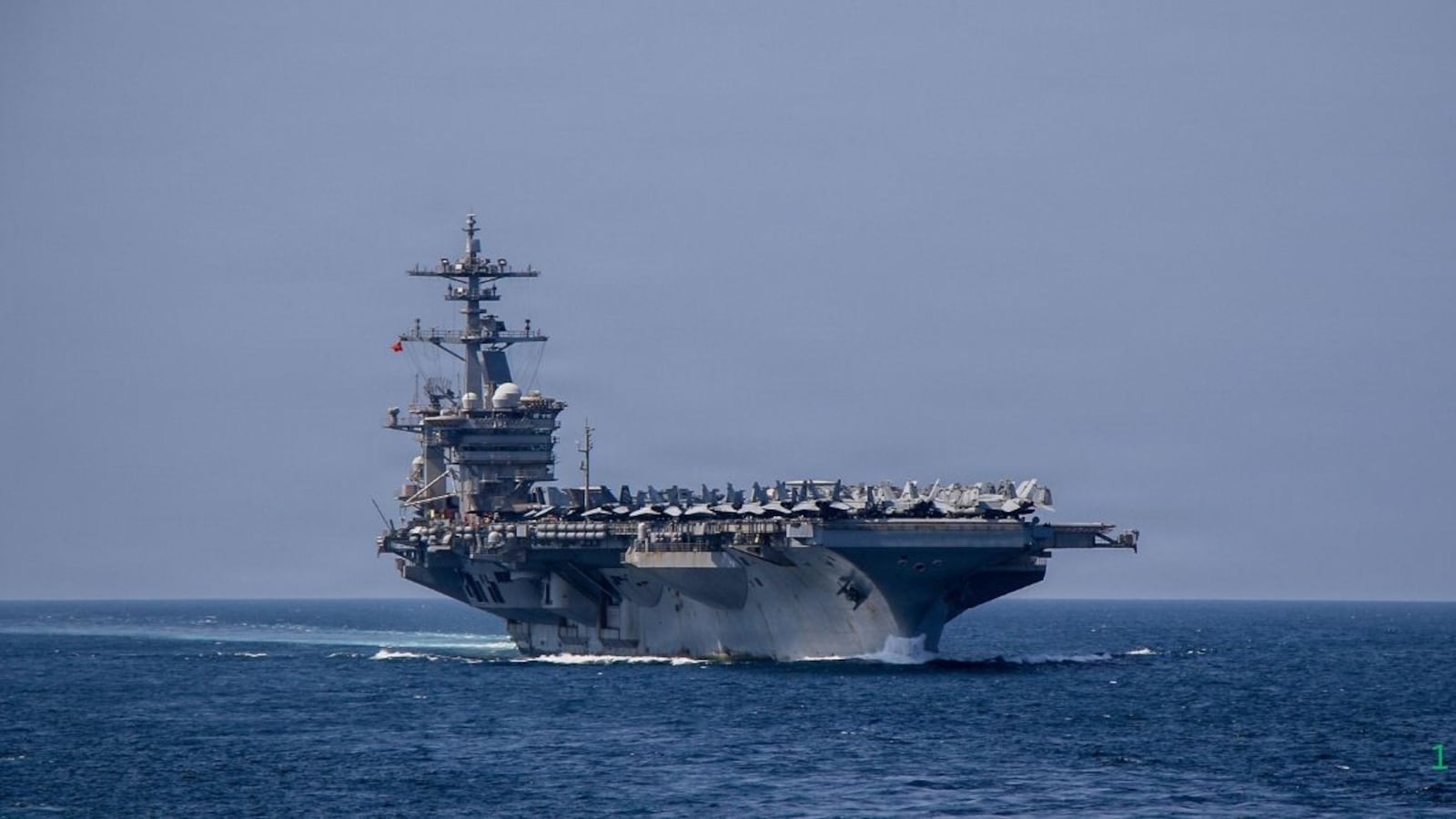
US replacing USS Abraham Lincoln amid reports of suffering troops
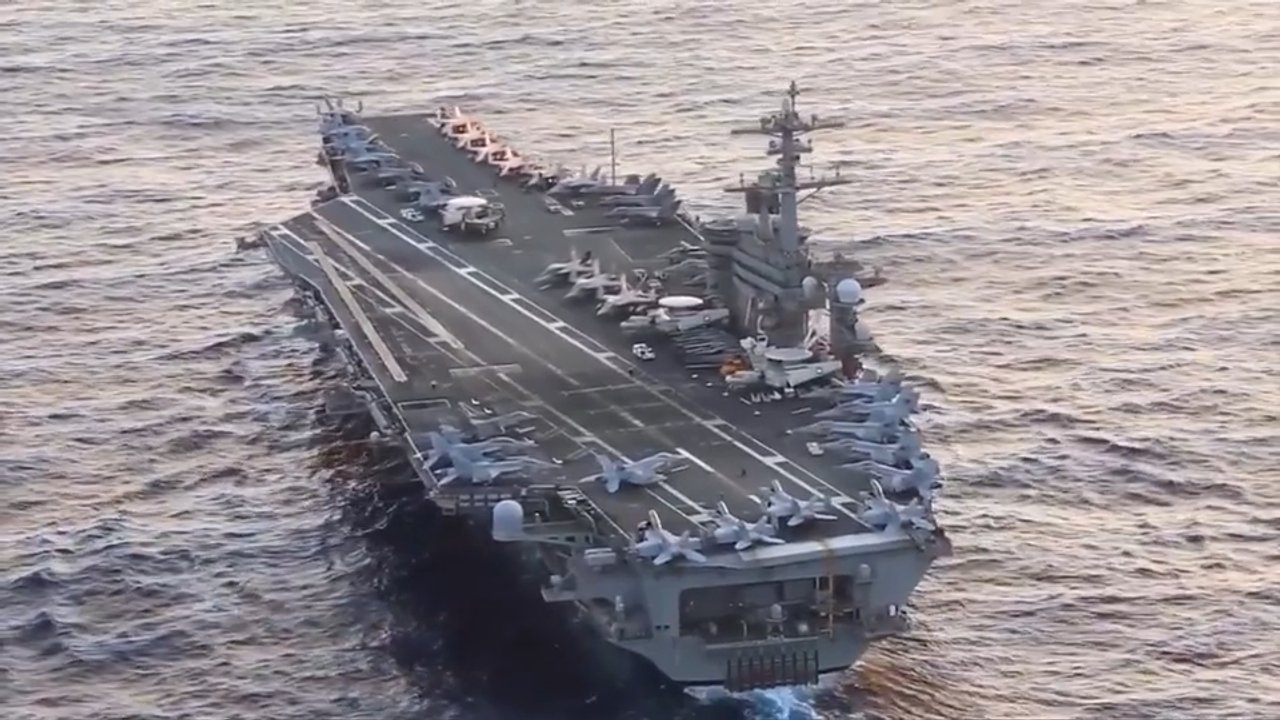
Replacement Carrier Heads to Middle East Amid USS Lincoln Concerns
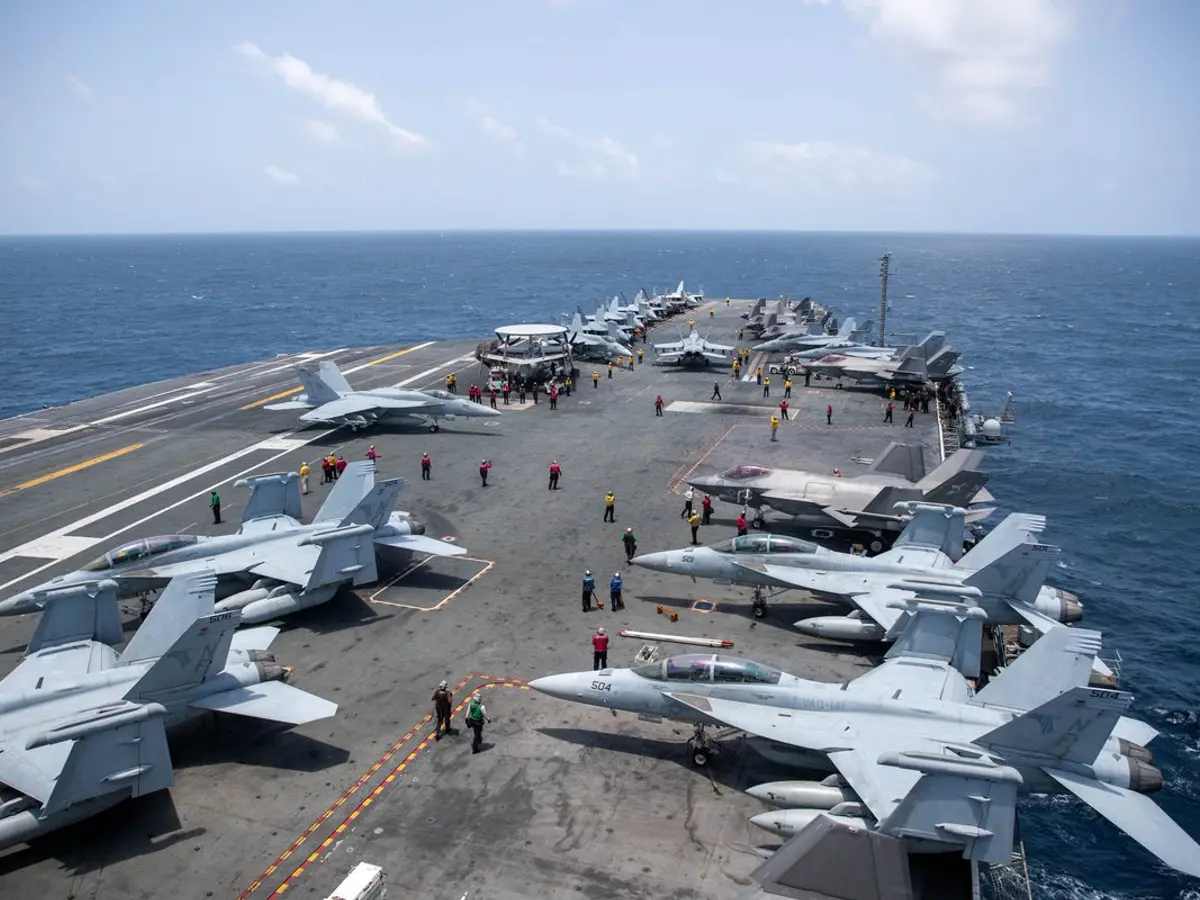
USS George Washington Begins Arabian Sea Operations, Replacing 250-Day Lincoln

Trump administration weighs chip tariffs amid AI industry warnings

Why India Must Conserve Forex Despite Strong GDP Growth

CM Vijay Plans Britain Tour to Attract Tamil Nadu Investment

US and Australia Commit $580 Million for Pacific Islands

Tamil Nadu CM Vijay Plans UK Investment Outreach