

1 day ago
El Niño Risks Call for Wider Monitoring of Ecological Stress

India had less rain than usual during the southwest monsoon.
Forecasters expect much of the country to stay very dry for the rest of the year.
El Niño may make water harder to find and put extra pressure on farms, forests, wetlands and oceans.
But not every place will be affected in the same way.
Soil, plants, groundwater and human activity can make one ecosystem more vulnerable than another.
Scientists can use close-up monitoring to spot trouble and learn which places are coping well.
Satellites help, but observations on the ground are also needed.
In Uttarakhand, sensors will monitor a glacial lake and help connect changes to early warnings.

India recorded a 12.6% rainfall deficit during the southwest monsoon.
The India Meteorological Department expects very dry conditions across most of India for the rest of the year.
A strengthening El Niño could reduce water availability and intensify stress on farms, forests, wetlands and oceans.
The article says ecosystems with similar rainfall deficits can respond differently because local conditions vary.
Satellite observations should be complemented by field monitoring, including Uttarakhand’s real-time glacial-lake monitoring initiative.
- Who
- India’s scientific community, the India Meteorological Department, and Uttarakhand’s monitoring initiative.
- What
- A call for local, field-level monitoring to detect ecological stress amid expected dry conditions and a strengthening El Niño.
- Where
- India, including vulnerable Himalayan ecosystems and Vasundhara Tal in Uttarakhand.
- When
- In the coming months and for the rest of the year; no specific date is given for the glacial-lake monitoring initiative.
- Why
- Dry conditions and El Niño may worsen ecological stress, while local monitoring can identify vulnerable ecosystems and inform early warnings and resource allocation.
Broad-scale forecasting
Local ecological monitoring
How to assess climate-related risk
Broad-scale forecasting
Satellite observations and national weather forecasts provide continuous, high-level information about the atmosphere and Earth's surface.
Local ecological monitoring
Field-level monitoring is needed because ecosystems exposed to similar rainfall deficits can respond differently according to local conditions.
What El Niño means for ecosystems
Broad-scale forecasting
El Niño and dry conditions can reduce water availability and increase stress across ecosystems.
Local ecological monitoring
El Niño may not cause an ecological shock by itself, but it can push an already stressed system past a threshold; monitoring can reveal vulnerability and resilience.
Key facts
- Southwest monsoon rainfall deficit
- 12.6%
- Forecast
- The IMD expects extremely dry conditions over most of India for the rest of the year.
- Climate factor
- A strengthening El Niño may reduce water availability and increase ecosystem stress.
- Monitoring approach
- Complement satellite data with field-level observations.
- Uttarakhand initiative
- Real-time monitoring of glacial lakes, including sensors at Vasundhara Tal.
- Planned lake observations
- Water levels, snow depth and other features.
- Forest indicators
- Soil moisture, vegetation stress and animal movement.
Sources
Related news
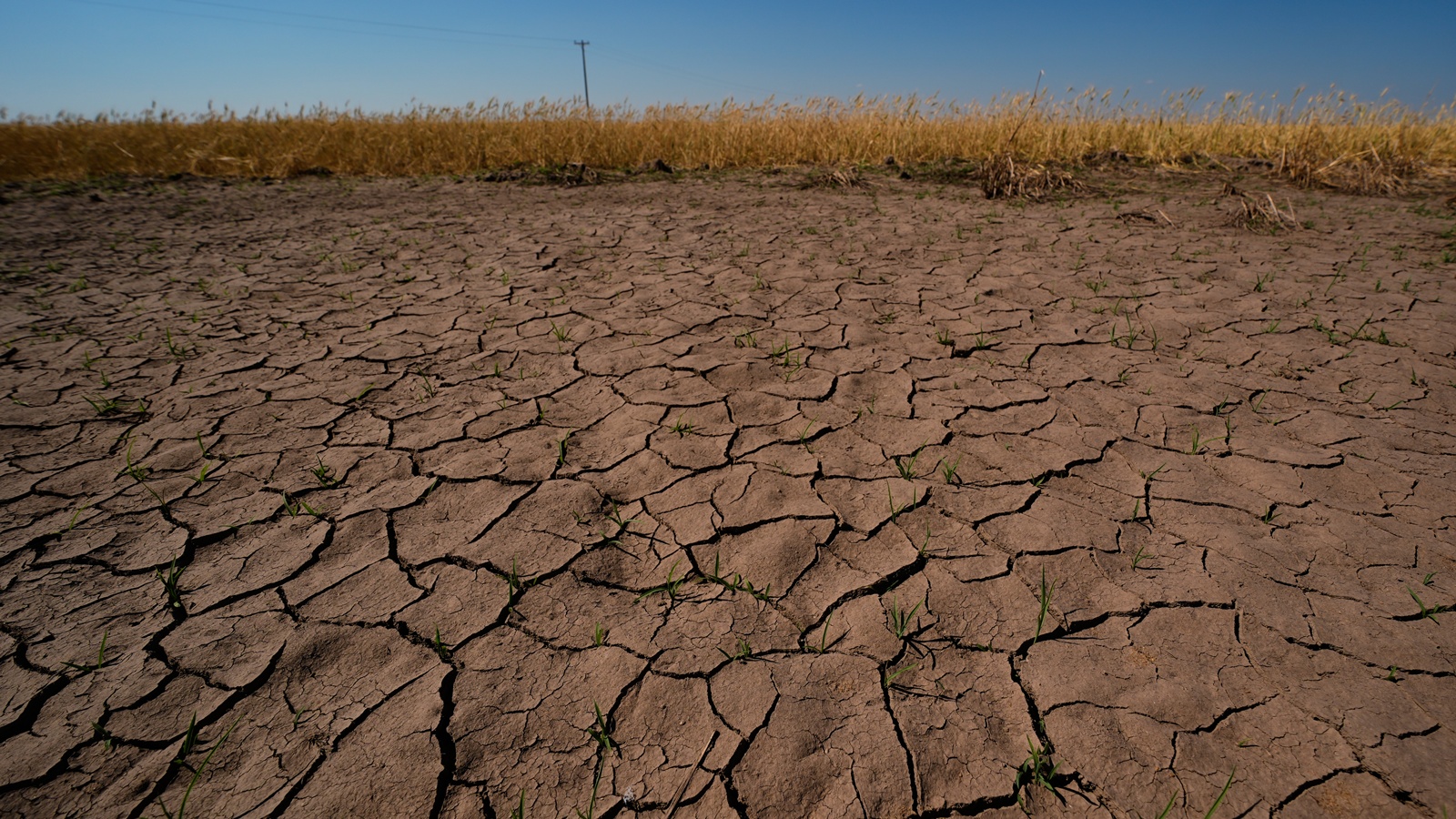
India Urged to Prepare for a Potential Super El Niño
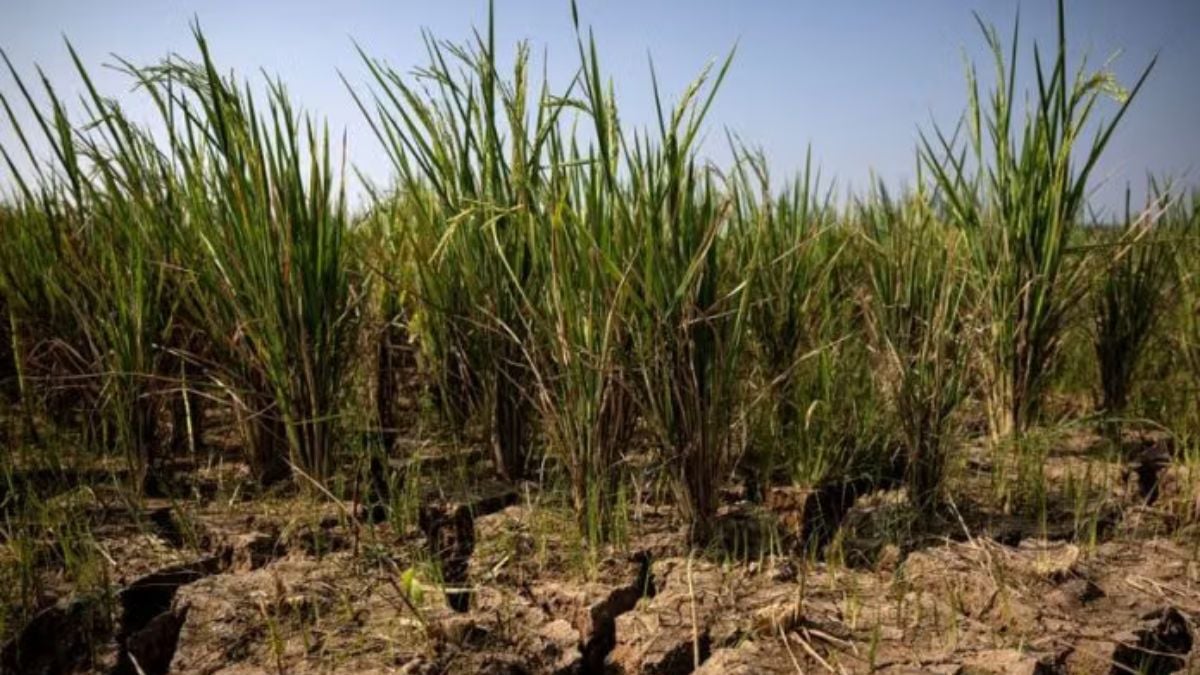
Indian Ecologists Warn of Extreme El Niño Threat Ahead

Andhra Pradesh Orders War-Footing Measures to Protect El Niño Crops
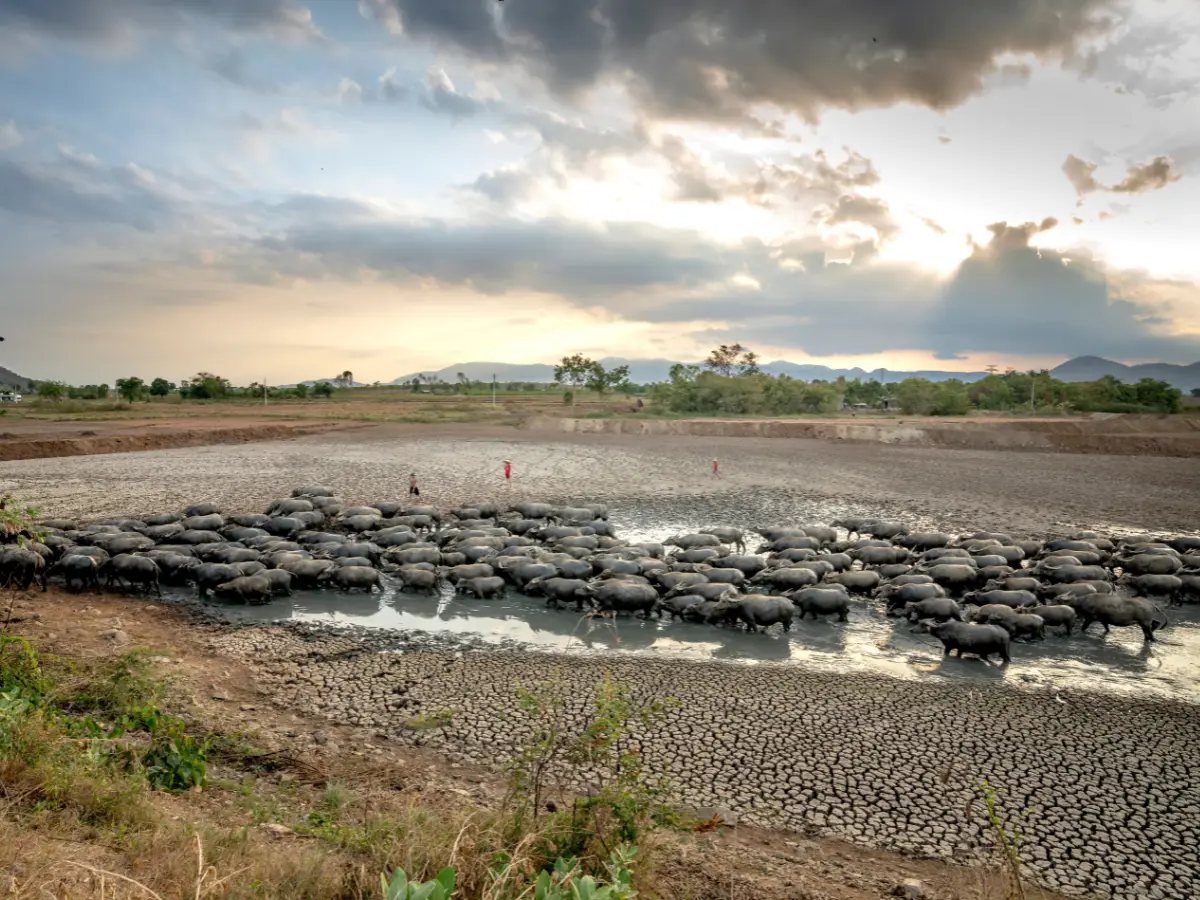
India’s Monsoon Withdrawal Begins Amid Worst Rain Deficit Since 2009
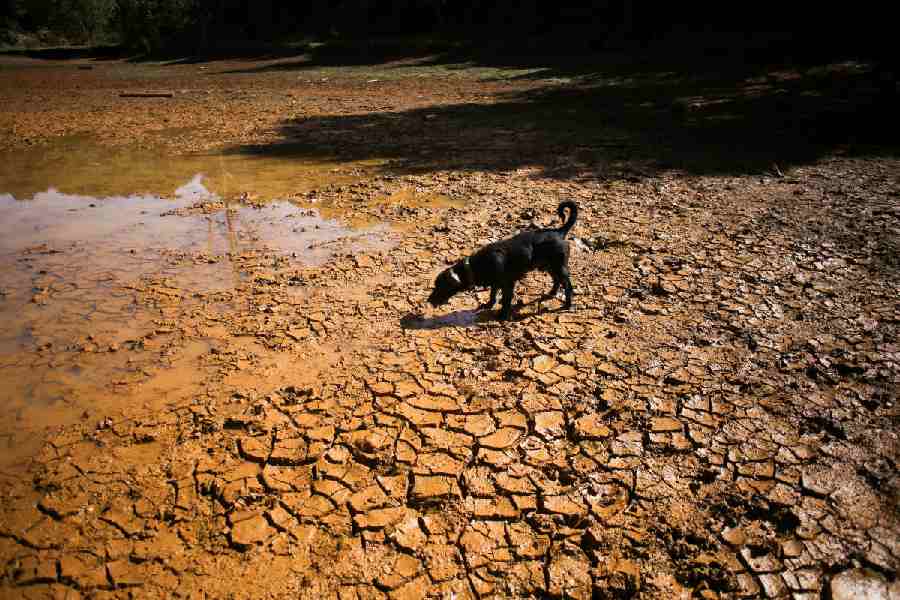
Super El Niño Threatens Heat, Drought, Floods, and Lives
India’s Monsoon Rainfall Hits Decade Low, 12.6% Below Average

Uttarakhand Final Voter Roll Lists 9.31 Lakh Deletions

Viral Kainchi Dham Video Prompts Overcrowding Concerns

Uttarakhand Final Voter Roll Lists 71.58 Lakh Electors

UPSC Key Covers Aviation, Diplomacy, Ecology and Democracy

BJP Leaders Set 60-Plus Seat Target for Uttarakhand
