

0 months ago
Chandipura virus: why the first 24 hours can save children

A virus called Chandipura has made some children seriously ill in Gujarat.
The virus is spread by tiny biting insects called sandflies, not by touching or being near sick kids.
Children younger than 15 get the sickest, and 22 children died in the recent outbreak.
The illness starts like a normal fever with headache, body aches and vomiting.
But it can quickly attack the brain, causing seizures, sleepiness and confusion.
The first 24 hours are the most important time to get medical help.
There is no medicine or vaccine that kills this virus yet.
Doctors help by treating symptoms in a hospital, like stopping seizures and reducing brain swelling.
Parents can protect kids by using insect repellent, long sleeves and bed nets, and by keeping homes clean.
If a child has a sudden high fever and seems very sleepy, confused or has a seizure, go to the hospital right away.

An outbreak of Chandipura virus in Gujarat has killed 22 children, sparking concern and misinformation on social media.
The virus spreads through bites of infected sandflies, with no confirmed human-to-human transmission.
Early symptoms resemble ordinary viral fever but can progress within 24-48 hours to seizures, coma and even death.
There is no vaccine or specific antiviral; early hospitalisation and aggressive supportive care are the only lifesaving measures.
Prevention focuses on reducing sandfly exposure through repellents, full-sleeved clothing, sealed cracks, clean yards and insecticide-treated bed nets.
- Who
- Children younger than 15 in Gujarat are most affected; Dr Tushar Tayal, Associate Director of Internal Medicine at CK Birla Hospital, Gurgaon, is quoted as an expert.
- What
- An outbreak of Chandipura virus, a sandfly-borne infection that can rapidly cause encephalitis and multiple organ dysfunction, has killed 22 children.
- Where
- Gujarat, where the outbreak occurred, with expert guidance provided from Gurgaon.
- When
- Recent cases in Gujarat; the article references clinical data from the 2024 Gujarat outbreak.
- Why
- Children are especially vulnerable because their immune systems and blood-brain barriers are still developing, they spend time outdoors at dusk when sandflies are active, and there is no vaccine or specific antiviral treatment.
Key facts
- Disease
- Chandipura virus (neurotropic; causes acute encephalitis)
- Location of outbreak
- Gujarat
- Reported deaths
- 22 children
- Transmission
- Bite of infected sandflies; no confirmed human-to-human spread
- Most at risk
- Children younger than 15 years
- Diagnosis
- RT-PCR on blood, cerebrospinal fluid or throat swab
- Treatment
- No specific antiviral or vaccine; early hospitalisation and supportive care
- Critical window
- First 24-48 hours after symptoms appear
Quotes
Dr Tushar Tayal
Associate Director, Internal Medicine, CK Birla Hospital, Gurgaon
“"A child with fever who develops even mild neurological symptoms should be evaluated in hospital the very same day."”
 firstpost.com
“"There is currently no specific antiviral treatment and no vaccine against Chandipura virus."”
firstpost.com
Sources
Related news

Chandipura Virus Outbreak: Children Most at Risk, Government Responds

Chandipura virus outbreak kills 22 children in Gujarat

Chandipura virus outbreak kills 22 children in Gujarat, Rajasthan
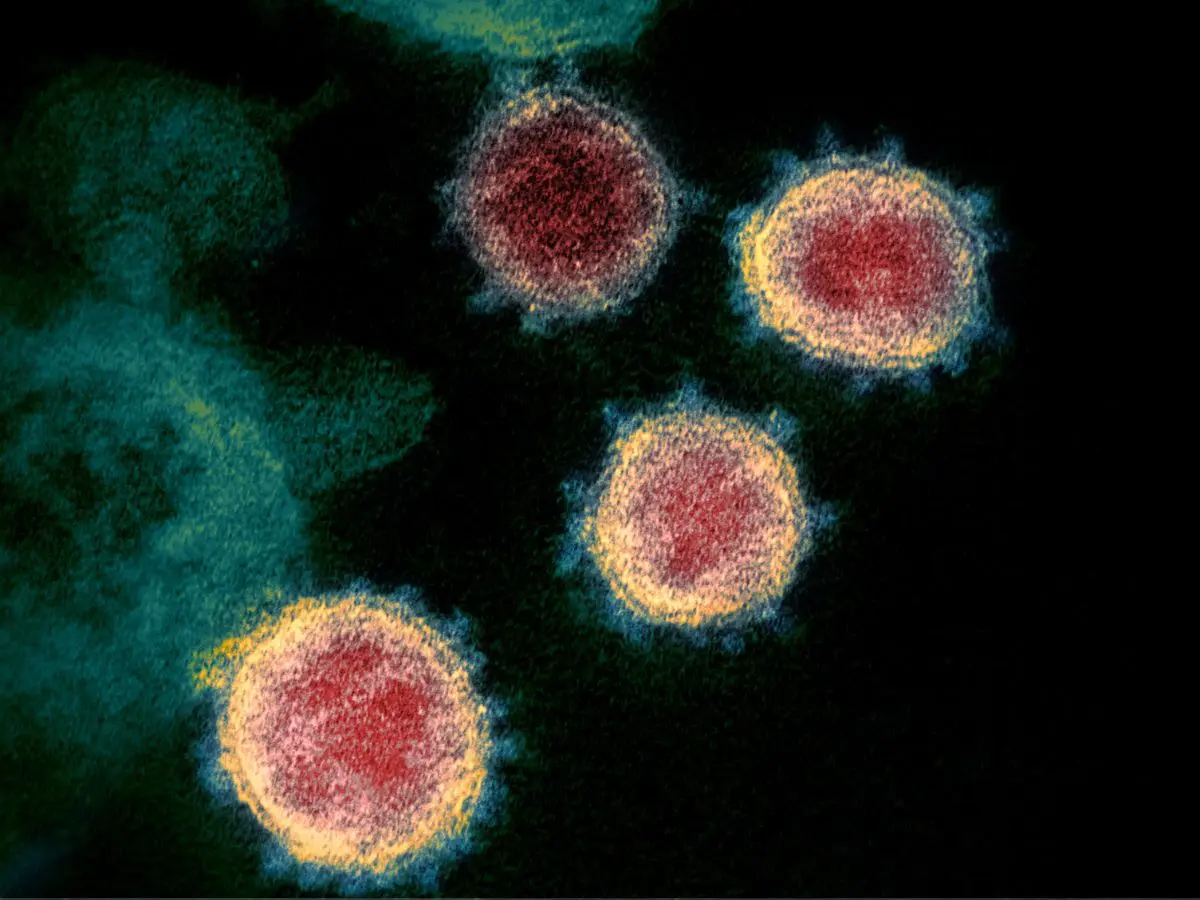
22 Children Die From Chandipura Virus in Gujarat
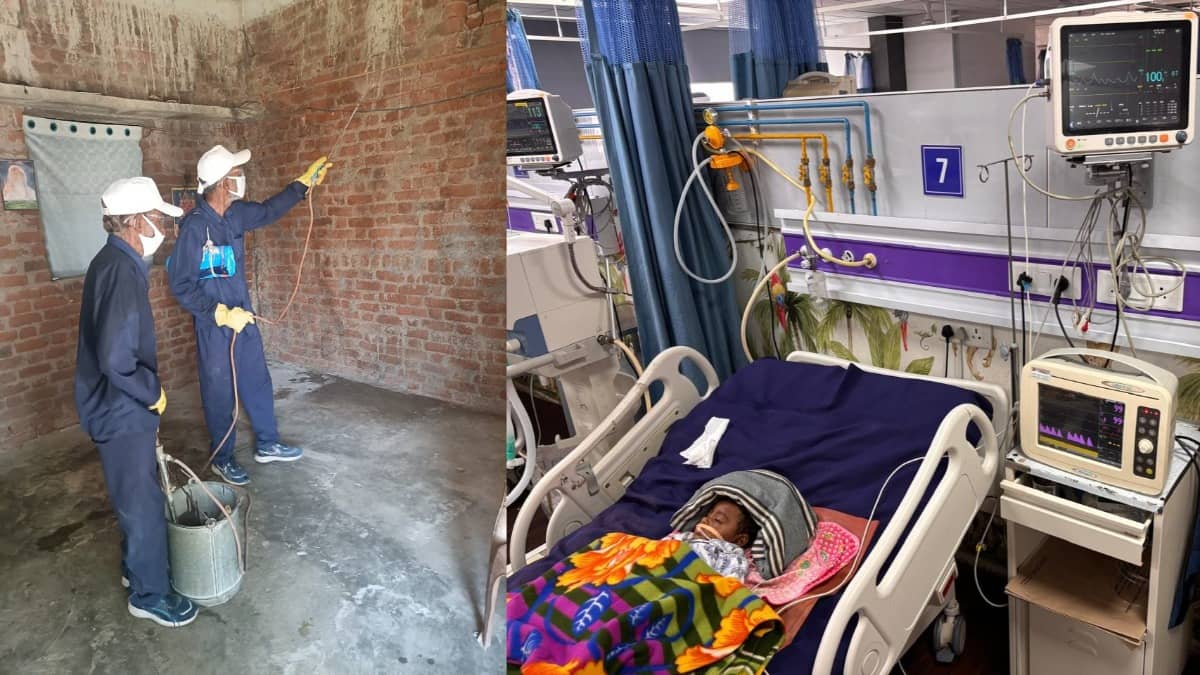
Gujarat Chandipura Outbreak Kills 22 Children; Toddler Recovers After Ventilator

Chandipura virus kills 27, confirmed cases rise to 41 in Gujarat

ED Raids 12 Locations Across Four States in Parimatch Probe

Gujarat Seizes 42.9 Tonnes Adulterated Food, Cancels Drug Licences

Gujarat Emergency Services Mark 19 Years Of Life-Saving Response

Air India Express Unveils Textile-Inspired Uniforms Across Network

Faridabad Class 11 Student Dies After Third-Floor Fall; Investigation Underway
