

3 weeks ago
Chandipura Virus Outbreak: Children Most at Risk, Government Responds

A virus called Chandipura is making some children in India sick.
It was first found in 1965 in a village called Chandipura in Maharashtra.
The virus is spread by tiny biting bugs called sandflies, not from person to person.
When the monsoon rains come, these bugs grow in number, so more children get sick.
The illness starts with a high fever, headache, nausea, and vomiting.
It can quickly reach the brain, causing seizures, confusion, drowsiness, or loss of consciousness.
There is no special medicine to cure this virus, and no vaccine yet.
Doctors help by treating fever, stopping seizures, and preventing dehydration in the hospital.
The government has sent special health teams to Gujarat and Rajasthan to help respond.
Scientists are still studying why children are most affected and what triggers outbreaks.

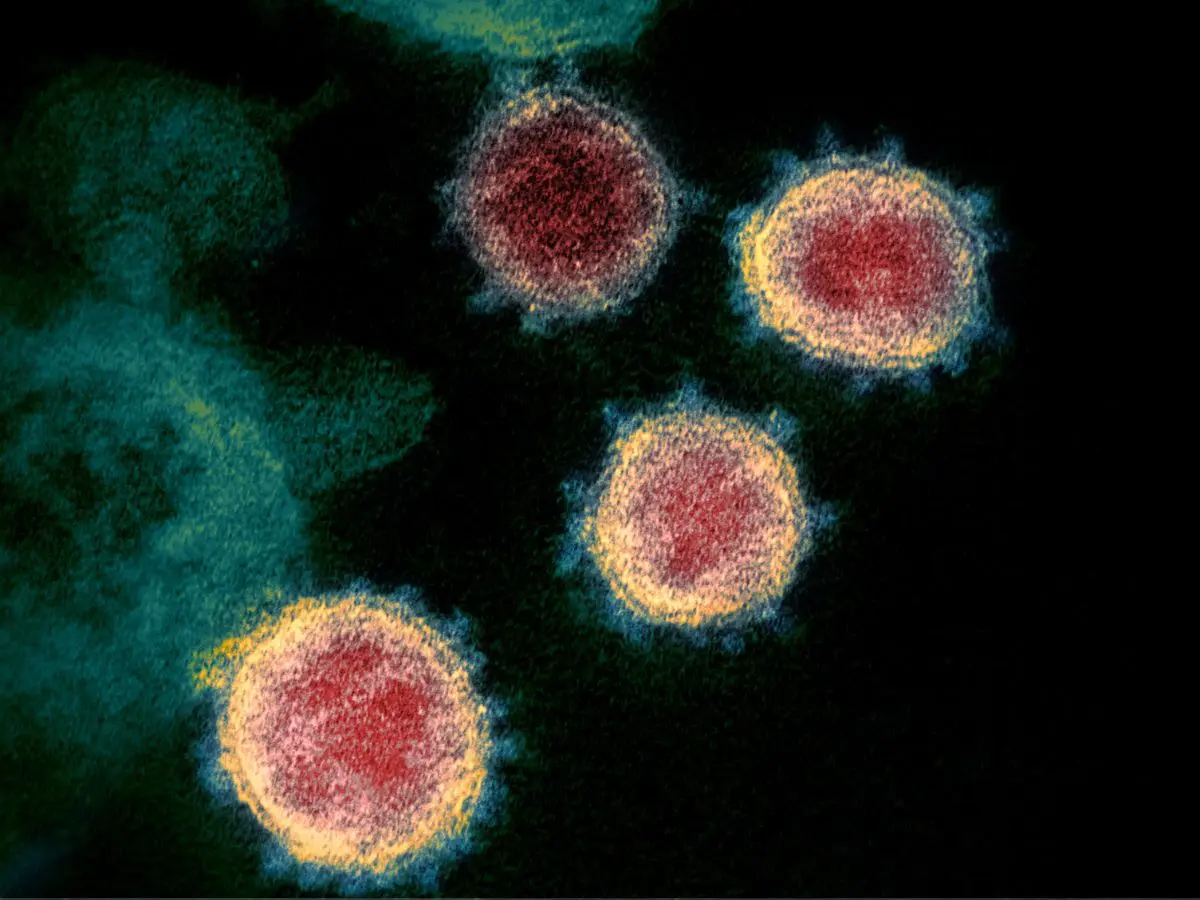
Chandipura virus (CHPV), first identified in 1965 in Chandipura village, Maharashtra, belongs to the Rhabdoviridae family and causes outbreaks of Acute Encephalitis Syndrome, mainly among children.
The recent deaths of 24 children in Gujarat and Rajasthan have drawn renewed attention to the virus, which has been linked to more than 300 deaths since 1965.
The virus spreads through bites of infected sandflies, not from person to person; the World Health Organization notes that monsoon conditions boost sandfly and other vector populations.
There is no approved antiviral treatment or vaccine for Chandipura virus; care is limited to supportive measures such as managing fever, controlling seizures, and preventing dehydration.
The Union Health Ministry has deployed the National Joint Outbreak Response Team (NJORT) to Gujarat and Rajasthan and launched a multi-institutional 'One Health' scientific probe.
- Who
- Children under 15, the group most vulnerable to the virus; the Union Health Ministry and the National Joint Outbreak Response Team (NJORT) are leading the response.
- What
- An outbreak of Chandipura virus causing Acute Encephalitis Syndrome, with symptoms progressing from sudden high fever and headache to seizures, confusion, and loss of consciousness; 24 child deaths have been reported in Gujarat and Rajasthan.
- Where
- Gujarat and Rajasthan in India; the virus was first identified in Chandipura village near Nagpur, Maharashtra.
- When
- The outbreak is ongoing during the current monsoon season; coverage was published on August 6, 2026, and the virus was first identified in 1965.
- Why
- The virus is transmitted through bites of infected sandflies, and monsoon conditions encourage the growth of sandflies and other insect vectors that spread the disease to children.
Virus as Direct Cause
Additional Factors Involved
Cause of severe neurological illness
Virus as Direct Cause
Some researchers argue that Chandipura virus infection alone causes the severe neurological illness seen in affected children during outbreaks.
Additional Factors Involved
Other researchers argue that simply detecting the virus in children does not prove it is the sole cause, and that additional biological or environmental factors may contribute to severe brain damage.
Encephalitis vs. encephalopathy
Virus as Direct Cause
Some investigations indicate affected children suffer from encephalitis, an infection-induced inflammation of the brain.
Additional Factors Involved
Other investigations question whether the condition is actually encephalopathy, a broader condition involving brain dysfunction or swelling.
Key facts
- Virus
- Chandipura virus (CHPV)
- Virus family
- Rhabdoviridae (same family as rabies)
- First identified
- 1965, Chandipura village, Maharashtra
- Recent deaths
- 24 children in Gujarat and Rajasthan
- 2024 outbreak
- 245 AES cases, 82 deaths; 64 confirmed CHPV
- Transmission
- Bites of infected sandflies; not person-to-person
- Treatment/vaccine
- None; supportive care only
- Government response
- NJORT deployed to Gujarat and Rajasthan; 'One Health' probe launched
Sources

Related news

Chandipura virus outbreak kills 22 children in Gujarat

Chandipura virus outbreak kills 22 children in Gujarat, Rajasthan
22 Children Die From Chandipura Virus in Gujarat

India deploys outbreak response team as Chandipura virus spreads

Chandipura virus: why the first 24 hours can save children

Chandipura virus kills 27, confirmed cases rise to 41 in Gujarat

Maharashtra Land Bank Aims to Speed Infrastructure Projects

Ganesh Mandals to Promote Maharashtra Public Services Awareness

ED Raids 12 Locations Across Four States in Parimatch Probe

Tukaram Mundhe Warns Indians About Food Safety Risks

Maharashtra Family Welcomes First Daughter in Nearly 200 Years
