3 weeks ago
Chandipura virus outbreak kills 22 children in Gujarat, Rajasthan

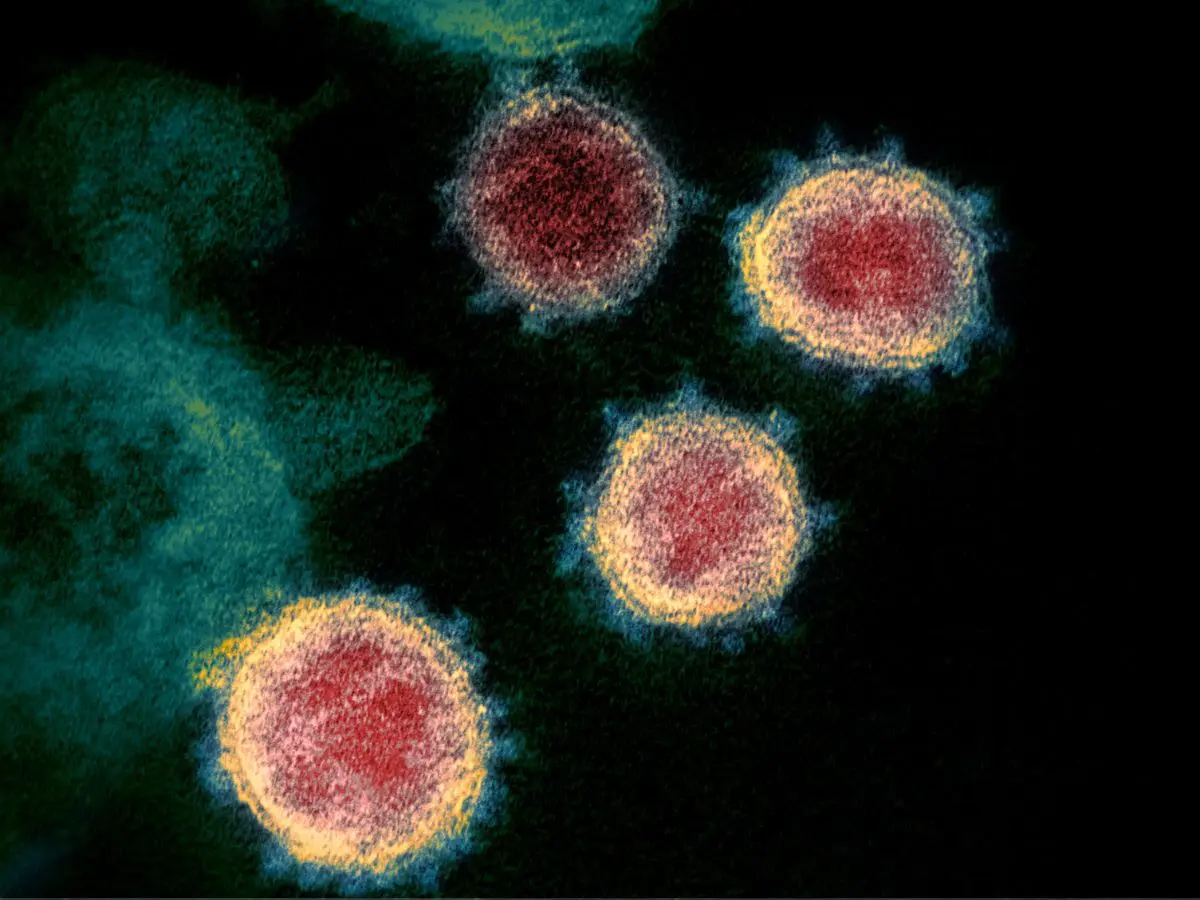
A virus called Chandipura virus is making some children very sick in parts of India.
The virus was first found in 1965 in a village in Maharashtra called Chandipura.
It mostly spreads when a tiny insect called a sandfly bites a person.
The sickness does not spread from one person to another.
When someone gets sick, they may have a fever, a very bad headache, vomiting, and feeling very tired.
Sometimes the sickness affects the brain, and that can be very dangerous.
The illness can get worse very quickly, sometimes within hours or a few days.
There is no vaccine or special medicine to cure it yet.
Doctors can only help sick children by caring for them and treating their symptoms.
That is why protecting children from sandfly bites is very important.

Gujarat has confirmed 35 Chandipura virus cases among 184 suspected patients, with 22 deaths of children below the age of 15.
Rajasthan has reported three confirmed cases from the border districts of Dungarpur and Sirohi.
The virus, first identified in 1965 in Chandipura village, Maharashtra, causes acute encephalitis and can progress to death within hours or a few days.
It spreads primarily through the bite of infected sandflies, and no human-to-human transmission has been observed.
There is no specific vaccine or treatment; the WHO has reported fatality rates between 56% and 75% in previous outbreaks.
- Who
- Children below the age of 15, who account for most cases, along with health authorities in Gujarat and Rajasthan and the World Health Organization (WHO).
- What
- An outbreak of Chandipura virus-linked acute encephalitis, with 35 confirmed cases and 22 child deaths in Gujarat and three confirmed cases in Rajasthan.
- Where
- Gujarat and Rajasthan in India, including the border districts of Dungarpur and Sirohi.
- When
- A fresh outbreak during the monsoon and post-monsoon period; exact dates were not specified in the article.
- Why
- The virus spreads through the bites of infected sandflies, and children are considered more vulnerable because they may have little or no prior exposure and immunity.
Key facts
- Confirmed cases in Gujarat
- 35 of 184 suspected patients
- Child deaths in Gujarat
- 22 children below age 15
- Confirmed cases in Rajasthan
- 3 (Dungarpur and Sirohi districts)
- First identified
- 1965 in Chandipura village, Maharashtra
- Virus family
- Rhabdoviridae (same broad family as rabies virus)
- Primary vector
- Sandfly bites; some mosquito species may also play a role
- WHO-reported fatality rate
- 56%–75% in previous outbreaks
- Treatment
- No specific vaccine or treatment; supportive medical care only
Sources
Related news

Chandipura Virus Outbreak: Children Most at Risk, Government Responds

Chandipura virus outbreak kills 22 children in Gujarat
22 Children Die From Chandipura Virus in Gujarat

Chandipura virus: why the first 24 hours can save children

India deploys outbreak response team as Chandipura virus spreads

Chandipura virus kills 27, confirmed cases rise to 41 in Gujarat

Tukaram Mundhe Warns Indians About Food Safety Risks

Maharashtra Family Welcomes First Daughter in Nearly 200 Years

Maratha Protesters Block Highway Supporting Manoj Jarange Patil
Maharashtra Mountaineers Join Search for Missing Nepal Trekkers

CJP Highlights Poor Conditions in Nagpur Government Schools