2 weeks ago
Chandipura virus kills 27, confirmed cases rise to 41 in Gujarat

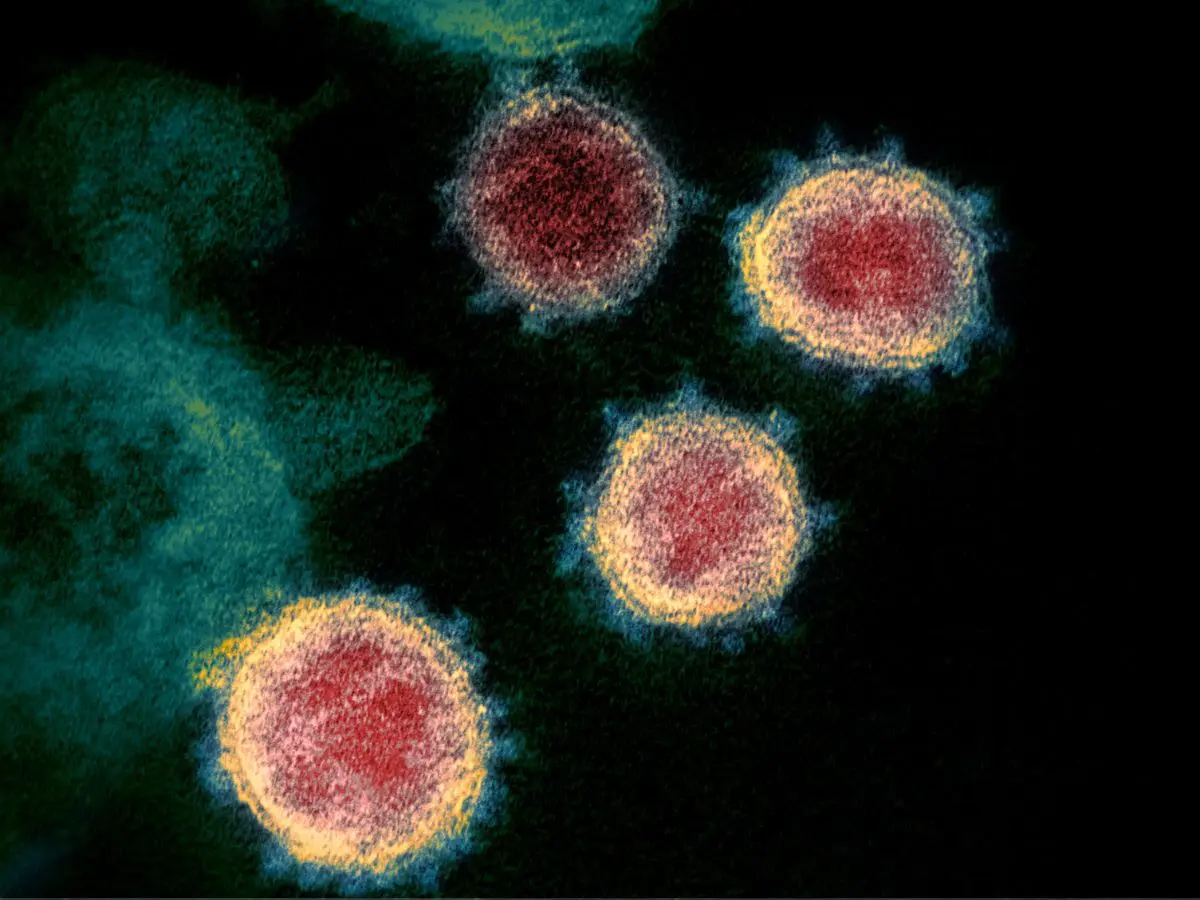
A virus called Chandipura is making people sick in Gujarat, India.
This virus comes from tiny biting insects called sandflies.
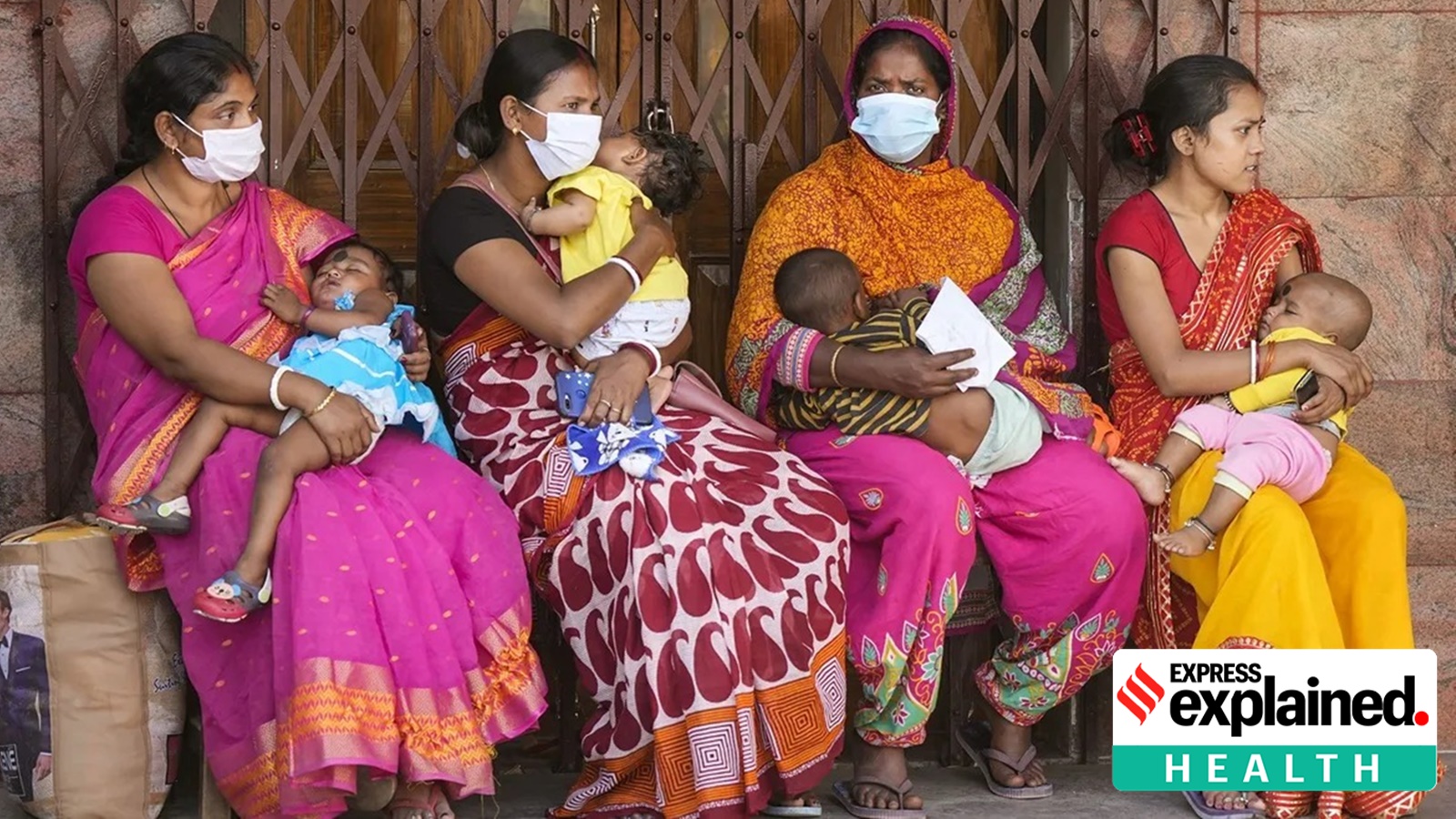
Mostly children get very sick from this virus.
It can cause sudden fever, vomiting, seizures and other brain problems.
So far, 41 people have been confirmed sick and 27 people have died.
The state started watching for the disease on June 30.
By August 14, more than 250 people were thought to have the virus.
There is no medicine or vaccine that cures this virus.
So doctors are trying to stop sandflies by spraying insecticide and cleaning homes.
People can also protect themselves with nets, repellents and clothes that cover their skin.

Gujarat has recorded 41 lab-confirmed Chandipura virus cases and 27 deaths since surveillance began on June 30.
A total of 257 suspected cases were reported as of 5 p.m. on August 14, with reports for 11 samples still awaited.
Confirmed cases rose sharply from 12 on July 21 to 41 by mid-August.
The virus is a vector-borne infection transmitted mainly by sandflies and predominantly affects children.
Health authorities are conducting door-to-door screening, insecticide spraying and vector-control measures in affected areas.
- Who
- Children below 15 in Gujarat, who are particularly vulnerable to the Chandipura virus.
- What
- An outbreak of Chandipura virus, a vector-borne infection associated with Acute Encephalitis Syndrome, caused 27 deaths among 41 confirmed cases.
- Where
- Gujarat state, India, a region where such outbreaks tend to occur in central and western India.
- When
- Surveillance began on June 30, with data current as of 5 p.m. on August 14.
- Why
- The virus is transmitted mainly through infected sandflies, and no specific antiviral treatment or vaccine currently exists.
Public Health Response Focus
Medical Treatment Gap
Prevention vs. Cure
Public Health Response Focus
The response should emphasize prevention through vector control, insecticide spraying, sanitation and reducing exposure to sandflies.
Medical Treatment Gap
Without a specific antiviral treatment or vaccine, prevention alone is insufficient as patients can deteriorate rapidly despite control efforts.
Key facts
- Confirmed cases
- 41 (as of August 14)
- Deaths
- 27
- Total suspected cases
- 257 (as of 5 p.m., August 14)
- Samples with results pending
- 11
- Confirmed cases on July 21
- 12 (out of 63 suspected)
- Transmission
- Mainly through infected sandflies
- Affected population
- Primarily children, with those below 15 particularly vulnerable
- Disease association
- Acute Encephalitis Syndrome (AES)
Sources
Related news

Gujarat Chandipura Outbreak Reaches 42 Cases and 28 Deaths

Chandipura virus outbreak kills 22 children in Gujarat
22 Children Die From Chandipura Virus in Gujarat
Chandipura virus kills 25 children in Gujarat as spread baffles experts

Chandipura Virus Outbreak: Children Most at Risk, Government Responds

Gujarat Seizes 42.9 Tonnes Adulterated Food, Cancels Drug Licences

Gujarat Emergency Services Mark 19 Years Of Life-Saving Response

Air India Express Unveils Textile-Inspired Uniforms Across Its Network

Faridabad Class 11 Student Dies After Third-Floor Fall; Investigation Underway

Eutelsat OneWeb Seeks India Security Clearance Amid Launch Delays