

1 hr ago
Can the Chinese Yuan Displace the US Dollar?
The US dollar is used by people, companies and countries around the world.
Many trust it because the US economy is large and its financial and legal systems are seen as reliable.
This gives the United States special economic advantages.
China has become a very large economy and is encouraging other countries to use its yuan.
The yuan became the fourth-most-used currency in global payments in July 2024, but later dropped to sixth.
China is also expanding its own payment system, called CIPS.
This could help countries make yuan payments without relying as much on SWIFT.
However, the article says people may not fully trust the yuan because China has less transparency and fewer independent institutions.
For now, replacing the dollar completely appears unlikely.

China’s economic rise has intensified debate over whether the yuan can challenge the US dollar.
The dollar remains dominant, accounting for more than half of global transactions and foreign-exchange holdings.
The yuan’s share of global payments reached 4.7% in July 2024 before falling to 2.75%, making it the sixth most-used currency.
China’s Cross-Border Interbank Payment System is processing more yuan payments, potentially bypassing the US-dominated SWIFT network.
The article argues that China’s limited transparency, political controls and lack of independent institutions could restrict the yuan’s global appeal.
- Who
- China, the United States, and countries and financial institutions using their currencies.
- What
- The article examines whether the Chinese yuan can rival or replace the US dollar as the world’s main currency.
- Where
- In global trade and financial payment systems, including SWIFT and China’s CIPS.
- When
- During Chinese President Xi Jinping’s visit to the United States; the payment data cited includes July 2024 and later figures.
- Why
- Debate has intensified because of China’s economic growth and concerns about US tariffs, sanctions and the use of the dollar as a policy tool.
Dollar Resilience
Yuan Challenge
Global currency dominance
Dollar Resilience
The US dollar remains far ahead, with close to half of SWIFT payments and more than half of global transactions and foreign-exchange holdings.
Yuan Challenge
China’s economic growth and efforts to promote yuan-based trade give the currency a growing role, particularly among countries concerned about sanctions.
Payment networks
Dollar Resilience
SWIFT remains the global standard for bank payment messages, and the dollar continues to dominate that network.
Yuan Challenge
China’s CIPS is expanding and may allow more yuan transactions to bypass SWIFT, supporting greater financial self-sufficiency.
Trust and institutions
Dollar Resilience
The dollar benefits from confidence in US economic strength, legal rules, transparency and independent courts, despite recent concerns about US policy.
Yuan Challenge
The yuan could become more important, but the article argues that China’s limited freedoms, transparency and institutional independence make it difficult to become the global benchmark.
Key facts
- US GDP
- Approximately $32 trillion, according to the article.
- China GDP
- Approximately $21 trillion, according to the article.
- Dollar dominance
- More than 50% of global transactions and foreign-exchange holdings are in dollars.
- Yuan payment share
- The yuan reached 4.7% of global payments in July 2024, then declined to 2.75%.
- Yuan ranking
- The yuan moved from fourth to sixth among the most-used global payment currencies.
- Chinese payment system
- China’s Cross-Border Interbank Payment System settles payments in yuan.
- Main obstacle
- The article identifies concerns about China’s transparency, political controls and institutional independence.
Quotes
Martin Chorzempa
Researcher cited from the Peterson Institute for International Economics
“It is a sign that China is prioritizing resilience to potential future sanctions and self-sufficiency, even at the risk of diverging from global payment standards.”
 indianexpress.com
“spiked after sanctions imposed by every major reserve currency issuer made Russia and other countries more willing to use the yuan”
indianexpress.com
Sources
Related news

Yuan Holds Steady as United States Iran Sanction Threats Grow
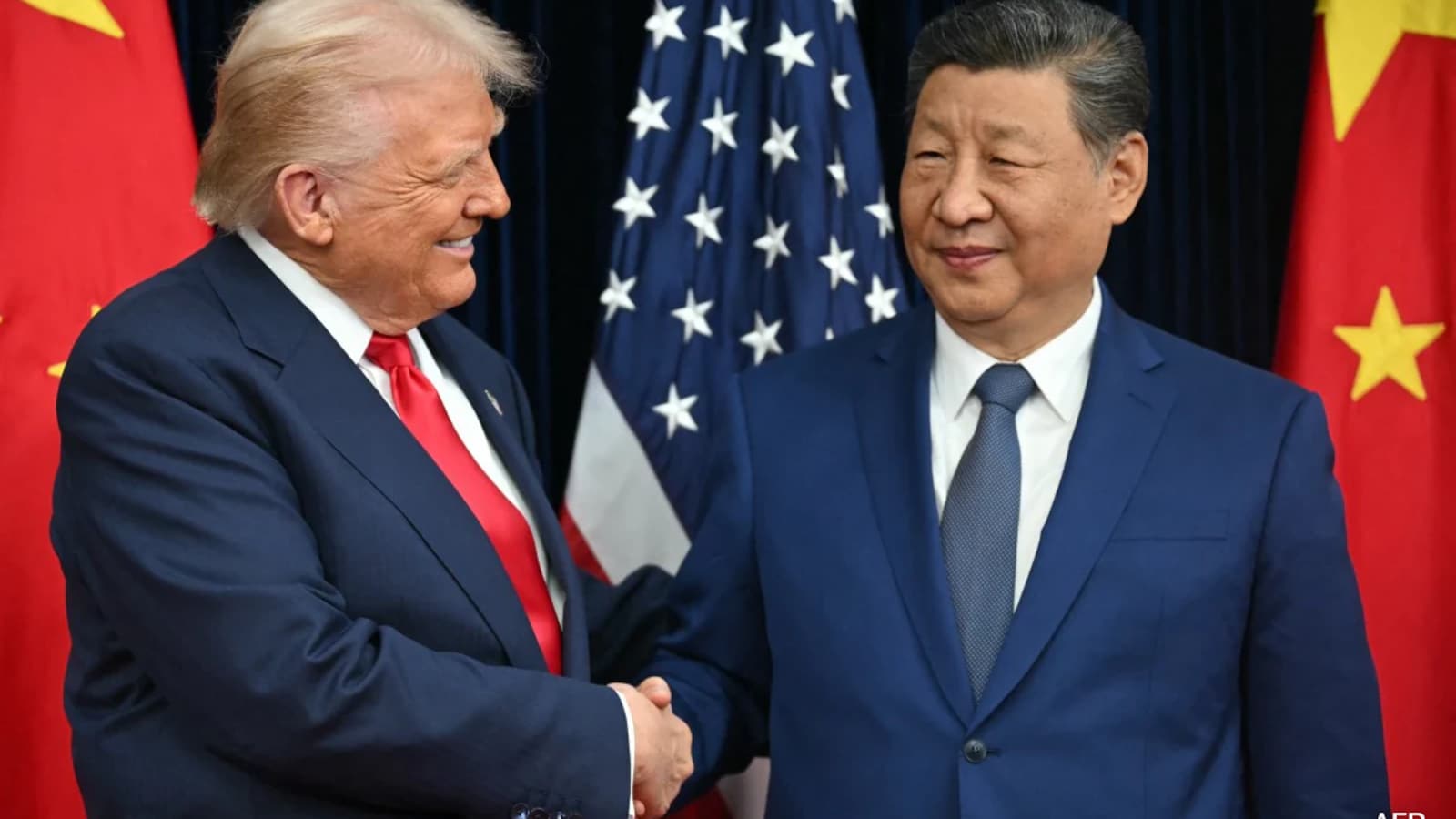
Trump Rolls Out Red Carpet for Xi Amid U.S.-China Rivalry

Vince Cable Says BRICS Is Challenging Dollar Dominance
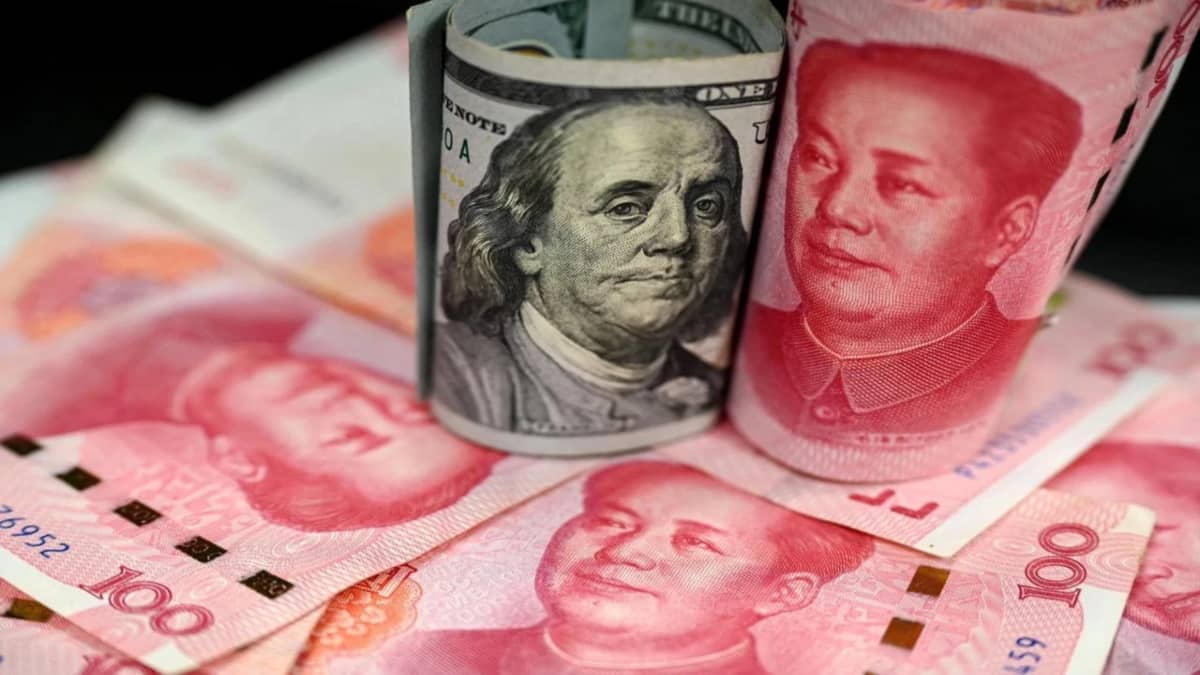
Chinese Banks Buy US Treasuries as Yuan Strengthens

Dollar Dominance Brings Washington’s Diplomacy and Fed Pressure Into Focus

BRICS Summit Seeks Cooperation Despite China’s Growing Influence and Divisions

Rupee Weakens as Oil Surges and Dollar Strengthens

Dollar Nears Two-Month High as Fed Hike Bets Rise

Gold Falls ₹900 as Strong Dollar Weighs on Bullion

Indian Rupee Gains as Oil Prices and Equities Support
