1 week ago
Sikh Perspective Reframes India’s Vande Mataram Patriotism Debate
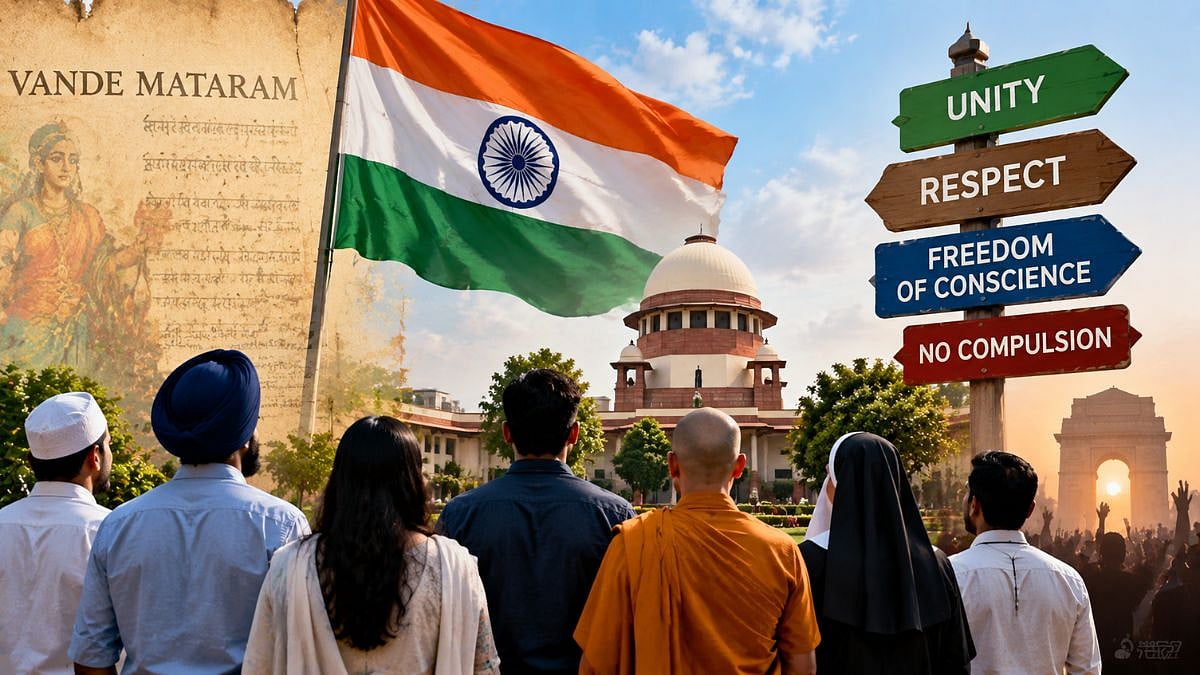
The debate is about how people understand Vande Mataram.
Some parts of the song describe the country using religious imagery.
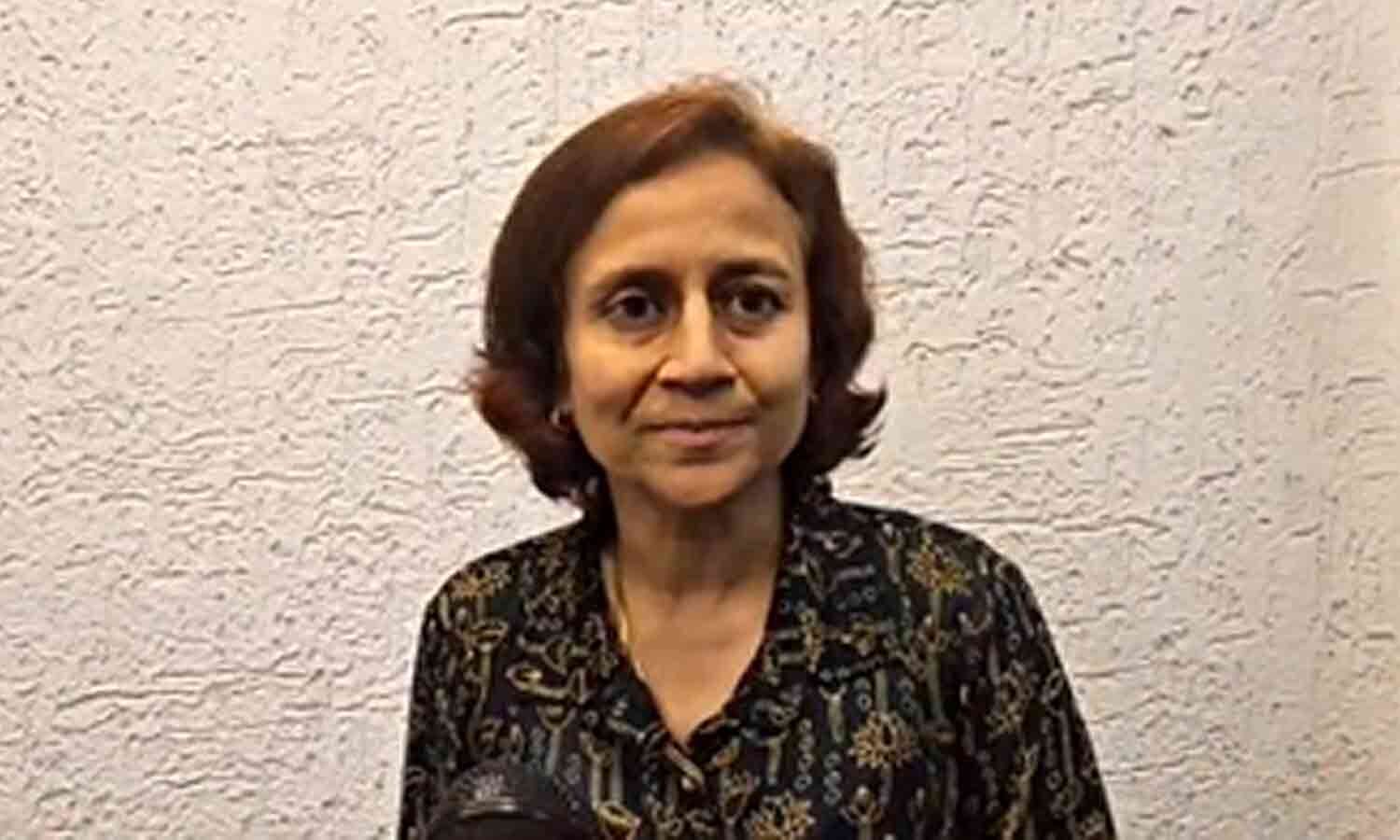
Gurcharanjit Singh Lamba says Sikhs can love India and serve it deeply.
However, Sikh teachings describe God as formless and not represented by a physical figure.
Because of this, worshipping the country as a goddess can raise a religious concern for Sikhs.
Lamba says respecting the song’s history does not mean every faith must accept all of its religious language.
He also says patriotism can be shown through service, sacrifice, and responsibility.
Different religious communities can share one country without having identical beliefs.

Gurcharanjit Singh Lamba distinguishes love for the homeland from worshipping it as a deity.
He says Sikhism permits patriotism, national service, respect for the country, and sacrifice for its people.
The religious imagery in later portions of Vande Mataram raises theological concerns for Sikhs because Sikhism understands God as formless.
Lamba says Vande Mataram’s role in India’s freedom struggle can be acknowledged without accepting all of its devotional elements.
He argues that national unity should not require religious uniformity or make patriotism a test of religious conformity.
- Who
- Gurcharanjit Singh Lamba and Sikh organisations, with the issue also involving the Akal Takht and Sikh institutions.
- What
- A debate over whether singing Vande Mataram involves patriotism alone or also religious worship because of its imagery.
- Where
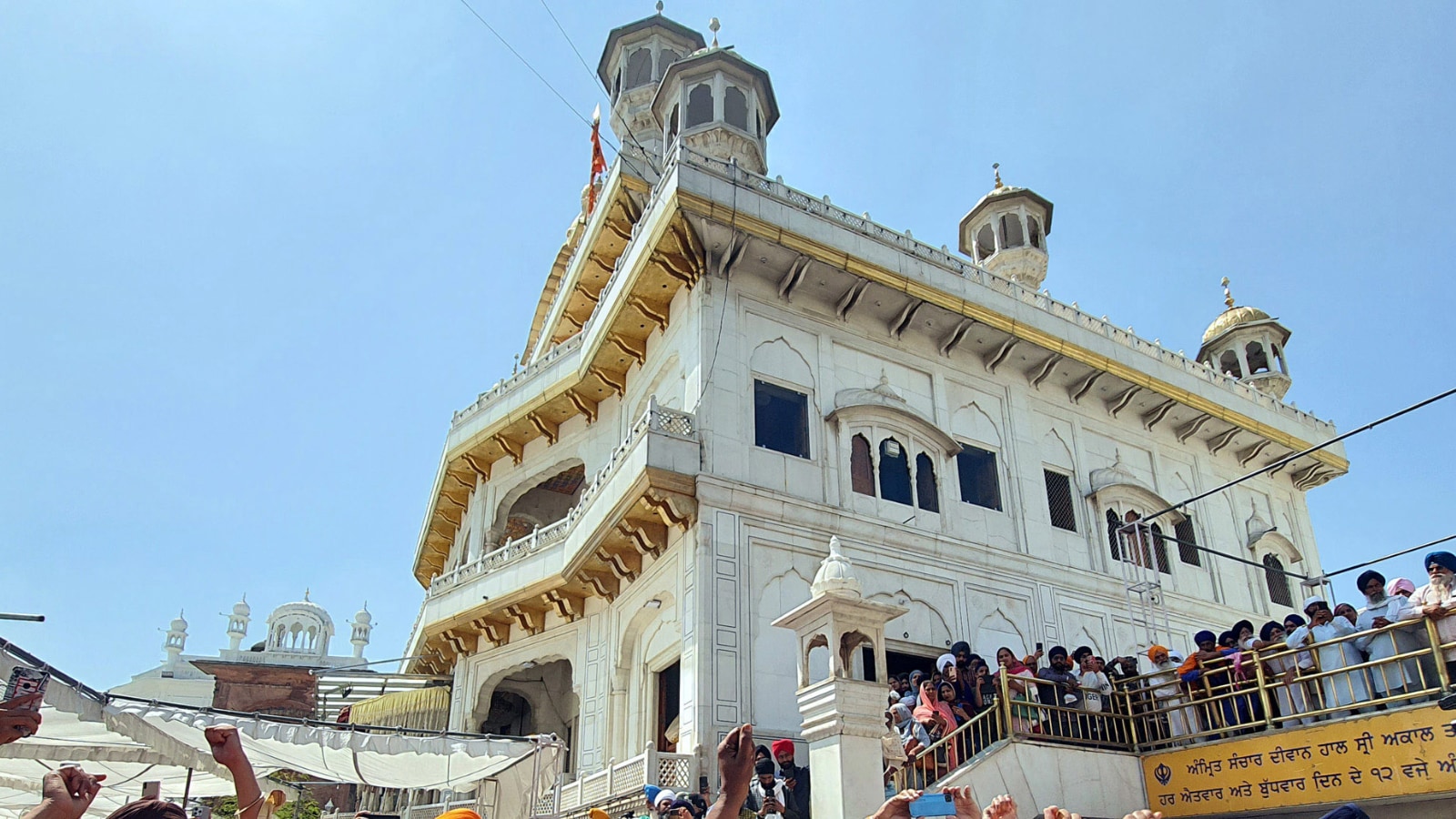
- The debate has reached the Sri Akal Takht Sahib and concerns India more broadly.
- When
- The issue has resurfaced amid renewed discussion of Vande Mataram’s 150-year history and full rendition.
- Why
- Sikh organisations are seeking clarity because Sikh theology distinguishes love of the homeland from worship of a personified or deity-like nation.
Key facts
- Central distinction
- Love and service for the homeland are different from worshipping the homeland as a deity.
- Sikh theological view
- The Supreme Being is understood as formless and not confined to a physical representation.
- Song imagery
- Lamba says later portions of Vande Mataram contain imagery associated with Hindu goddesses and divine forms.
- Historical significance
- Vande Mataram was associated with India’s freedom struggle and inspired people during the movement against British rule.
- Institutional history
- The Shiromani Gurdwara Parbandhak Committee took a position on Vande Mataram in 2006, and the matter was discussed at the Sri Akal Takht Sahib.
- Bharat Mata Temple
- The Bharat Mata Temple in Varanasi is described as containing a map of Bharat rather than a deity.
- Broader principle
- Lamba says national unity need not require religious uniformity.
Quotes
Gurcharanjit Singh Lamba
US-based Sikh scholar, writer, and former editor of Sant Sipahi
“The issue needs to be understood by distinguishing between love for one’s country and religious worship. Sikhism does not oppose love for the homeland. A Sikh can serve the country, respect it, and make sacrifices for it. The question is different when the motherland is presented as a deity and worship is directed towards that representation.”
 indianexpress.com
“The debate should not become a test of who is more patriotic. Patriotism can be expressed through service, sacrifice, responsibility, and commitment to the country and its people.”
indianexpress.com