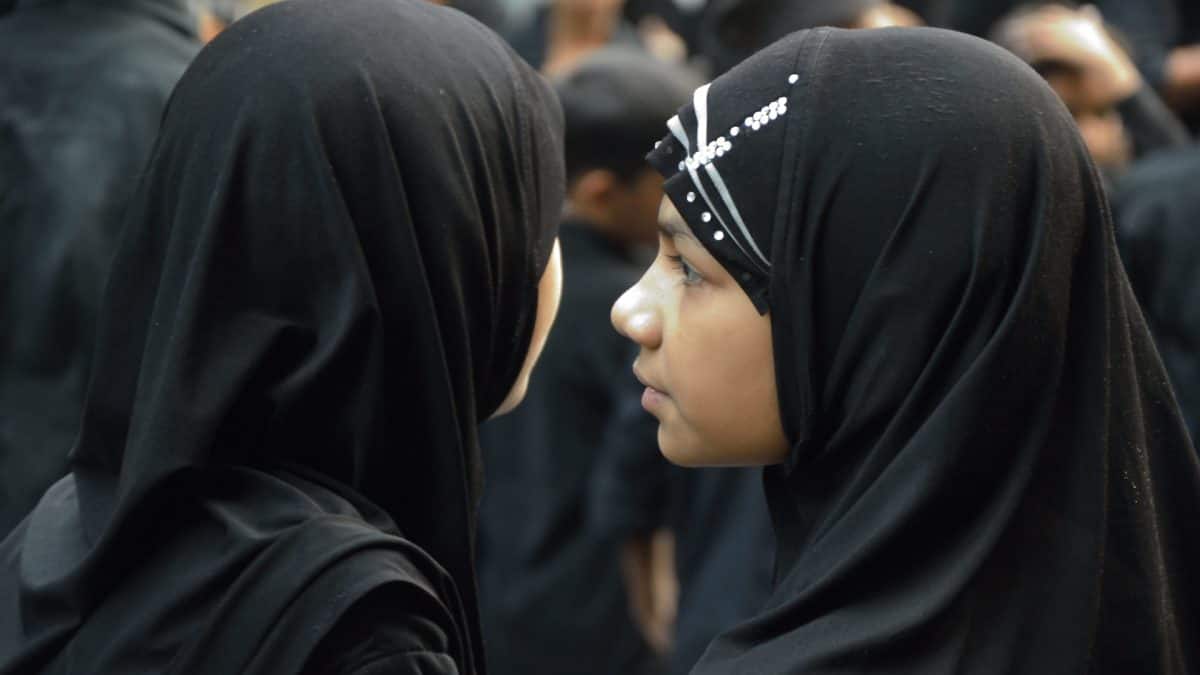
8 hrs ago
Sonam Wangchuk’s Wife Defends Vande Mataram’s Cultural Meaning
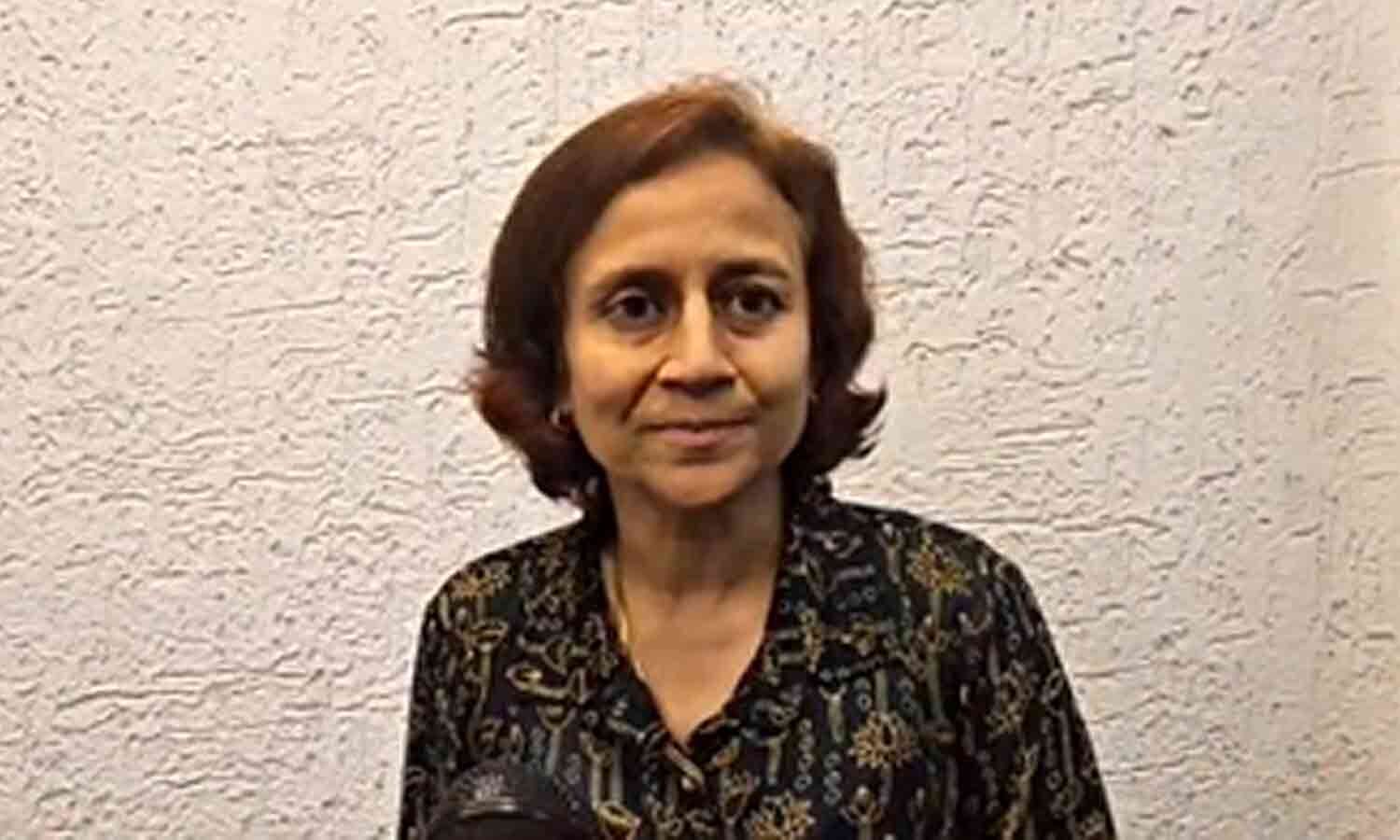
Gitanjali Angmo said people should not reject Vande Mataram simply because it mentions Hindu deities.
She believes a song or language does not change a person’s religion.
She compared this with people reading poetry in Urdu or Sanskrit.
Angmo said Durga and Lakshmi can represent ideas such as power and abundance.
She described Vande Mataram as a way of showing respect for India as a motherland.
She also said the song can inspire people to help solve problems such as poverty and unemployment.
In her view, celebrating one’s culture does not require disrespecting other cultures.
She compared society to a puzzle in which different pieces create a complete picture.
She called for both cultural confidence and respect for everyone.

Gitanjali Angmo called objections to Vande Mataram’s Hindu references a “childish way of thinking.”
She said language, literature and cultural expressions should not be judged solely through religious identity.
Angmo argued that references to Durga and Lakshmi can be understood symbolically as power and abundance.
She said Vande Mataram’s first two stanzas were selected because the full song was lengthy, not because other stanzas were rejected.
Angmo urged Indians to preserve cultural heritage while respecting religious and cultural differences.
- Who
- Gitanjali Angmo, the wife of climate activist Sonam Wangchuk, made the comments.
- What
- She defended Vande Mataram’s cultural significance and criticized objections based on its references to Hindu deities.
- Where
- She spoke to IANS in the context of a report datelined Bhubaneswar.
- When
- Angmo spoke to IANS on Thursday; the report also refers to a recent emphasis on singing the song from the Red Fort on Independence Day.
- Why
- She said Vande Mataram should be understood as a cultural and civilisational expression that can inspire national responsibility without requiring religious uniformity.
Cultural-Inclusive Interpretation
Religious-Identity Objections
References to Hindu deities
Cultural-Inclusive Interpretation
Angmo said references to Durga and Lakshmi can be interpreted symbolically and should not prevent people of other faiths from singing the song.
Religious-Identity Objections
Critics cited by Angmo argue that people from other faiths may object to singing the song because it refers to Hindu gods and goddesses.
Culture and national unity
Cultural-Inclusive Interpretation
Angmo argued that unity should allow people to express distinct cultural identities while respecting one another.
Religious-Identity Objections
Angmo said political narratives sometimes present cultural expressions as divisive in the name of creating unity.
National priorities
Cultural-Inclusive Interpretation
Angmo said Vande Mataram and issues such as poverty and unemployment should not be treated as competing concerns, because national sentiment can inspire citizens to address those problems.
Religious-Identity Objections
The opposing argument she addressed holds that India should focus on issues such as poverty and unemployment rather than emphasizing Vande Mataram.
Key facts
- Speaker
- Gitanjali Angmo, wife of Sonam Wangchuk
- Subject
- Debate over the religious and cultural meaning of Vande Mataram
- Angmo’s characterization
- She called objections based on Hindu references a “childish way of thinking.”
- Symbolic interpretation
- Angmo said Durga can represent power and Lakshmi can represent abundance.
- Stanzas
- She said the first two stanzas were initially chosen because the song was too long.
- National status
- Angmo said Vande Mataram has always been India’s national song.
- Public memory
- She said the song had faded from collective memory and welcomed its renewed emphasis.
Quotes
Gitanjali Angmo
Wife of climate activist Sonam Wangchuk who spoke to IANS about Vande Mataram and cultural identity
“Therefore, saying, ‘Why Vande Mataram, when there are other problems?’ isn't the right framing. Vande Mataram isn't against other problems. Vande Mataram is a sentiment that inspires us to fight those problems”
 thehansindia.com
“The essence of Vande Mataram is -- I bow to you, O Mother. For thousands of years, we have seen this land not merely as territory, but as a mother. Therefore, we cannot let go of that sentiment.”
thehansindia.com
Sources
Related news
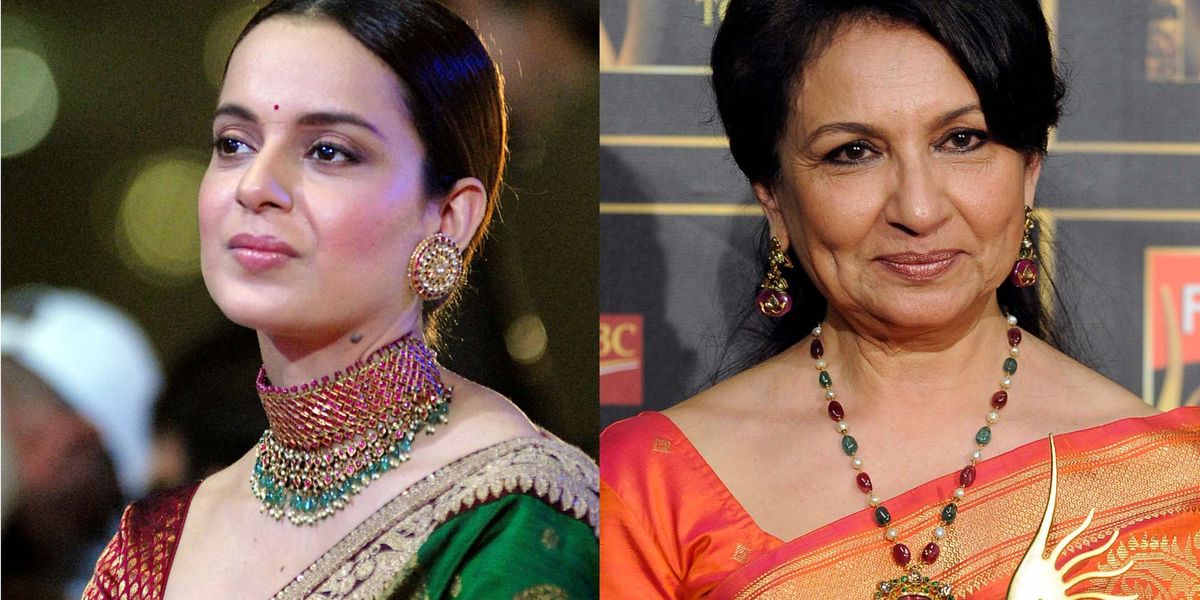
Kangana Ranaut Challenges Sharmila Tagore Over Vande Mataram Stanzas
Angmo Urges Government to Treat Education Protests as Wake-Up Call

Vande Mataram row: Suvendu Adhikari targets Sonia Gandhi, demands apology
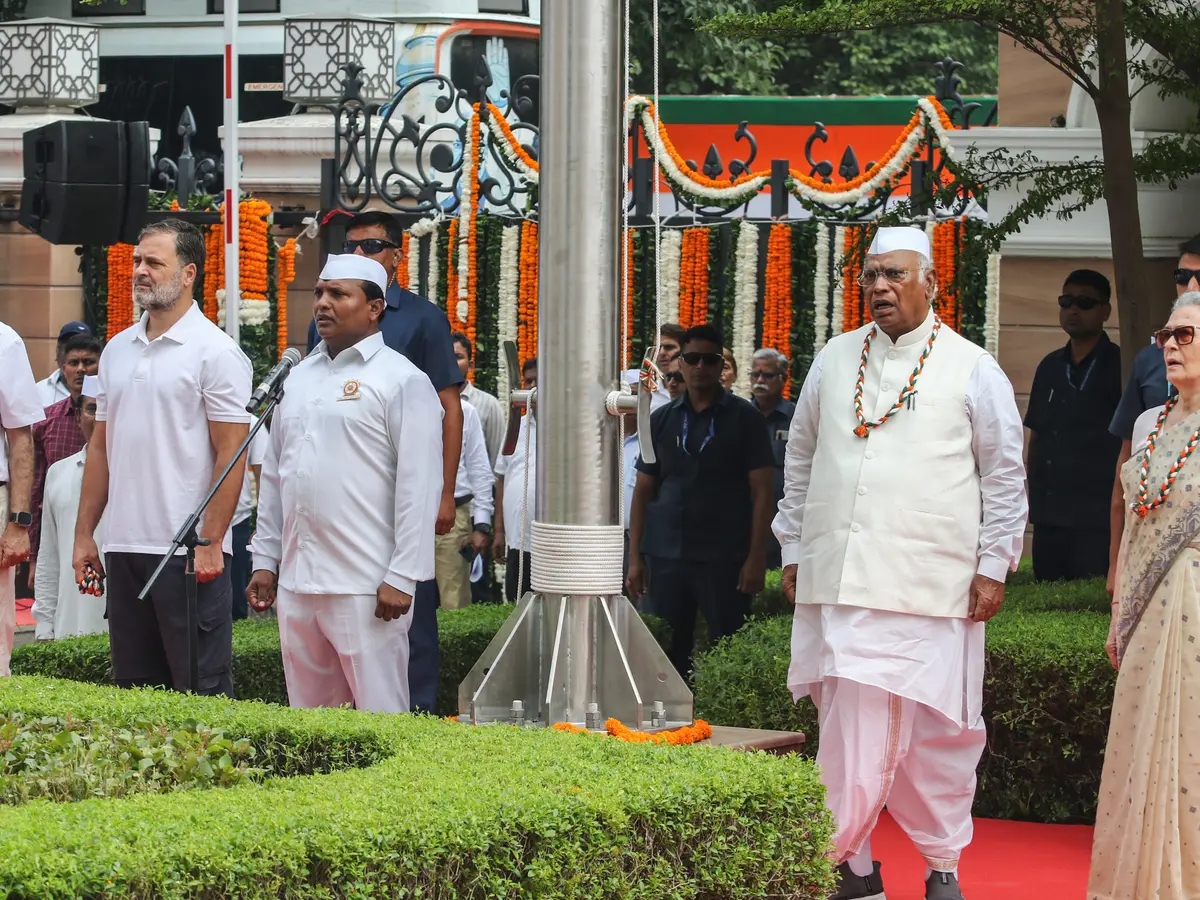
Bankim Chandra descendant seeks Sonia Gandhi apology over Vande Mataram

Dhami criticises Congress over partial rendition of Vande Mataram
Congress Vande Mataram Resolution Revives Debate Over National Song

Congress Raises Concerns Over ISRO’s Future Role
Revived Rural School Library Opens New Worlds for Students

Gujarat Minister Urges Students To Make Learning Lifelong
Midhani Chief Connects Space Goals With Developed India Vision