1 day ago
Why Jana Gana Mana and Vande Mataram Can Coexist

India has both a national anthem and a national song.
Jana Gana Mana is usually sung at formal government and military ceremonies.
Vande Mataram is also used at national events and parliamentary occasions.
The article says both should be respected equally.
Some parts of Vande Mataram describe India as a motherland, while later parts name Hindu deities.
Because this can conflict with some religious beliefs, public events generally use only its first two stanzas.
The law described in the article punishes people who stop or disturb others from singing.
It does not force a person to sing if they remain respectful.
The Supreme Court previously said that respectful silence can be protected as a matter of conscience.

Rajendra Prasad described Jana Gana Mana as the national anthem and Vande Mataram as the national song, with equal status.
The article says the 2026 amendment gave Vande Mataram the same statutory protection as the national anthem.
It states that the law prohibits disrupting or obstructing singing but does not require people to sing.
The Supreme Court’s 1986 Bijoe Emmanuel ruling protected respectful silence based on freedom of speech and conscience.
Only Vande Mataram’s first two, non-sectarian stanzas were selected for official public use because later verses invoke Hindu deities.
- Who
- The issue concerns people participating in public ceremonies, religious minorities, lawmakers, and courts; the article also discusses Rajendra Prasad and the students in Bijoe Emmanuel v. State of Kerala.
- What
- The debate is whether people must sing Vande Mataram or Jana Gana Mana, and how the two national symbols should be respected under Indian law.
- Where
- The discussion concerns India, including public institutions and ceremonies; the Bijoe Emmanuel case arose in Kerala, while the historical Vande Mataram episode occurred in Hyderabad State.
- When
- The article refers to the 1937 Congress Working Committee decision, the 1985 expulsion of three students, the 1986 Supreme Court ruling, and a 2026 amendment.
- Why
- The issue involves the equal status of the national anthem and national song, religious objections to some lyrics, freedom of conscience, and protection against active disruption.
Compulsory National-Symbol Participation
Respectful Freedom of Conscience
Whether singing should be required
Compulsory National-Symbol Participation
Supporters of compulsory participation may argue that national symbols deserve active public observance and that respect should be visibly demonstrated.
Respectful Freedom of Conscience
The article’s constitutional position is that people may remain respectfully silent and cannot be forced to sing when doing so conflicts with conscience or religious belief.
Use of the complete song
Compulsory National-Symbol Participation
Those favoring the full Vande Mataram may view every stanza as part of the national song’s historical and cultural meaning.
Respectful Freedom of Conscience
The 1937 Congress Working Committee decision favored using only the first two stanzas publicly because later verses identify the motherland with Hindu deities, which can conflict with some monotheistic beliefs.
Meaning of legal protection
Compulsory National-Symbol Participation
A broader reading of national-honour laws could treat refusal to participate as insufficient respect if it disrupts the expected ceremony.
Respectful Freedom of Conscience
The article states that the law targets active obstruction and disturbance, not respectful non-participation, consistent with the Supreme Court’s protection of silence.
Key facts
- National anthem
- Jana Gana Mana, formally identified by Rajendra Prasad as India’s national anthem.
- National song
- Vande Mataram, described as having equal status and honor with Jana Gana Mana.
- Ceremonial use
- Jana Gana Mana is used at designated formal state, military, and constitutional ceremonies, while Vande Mataram is also sung at national functions and parliamentary sessions.
- 2026 amendment
- The article states that the Prevention of Insults to National Honour (Amendment) Act, 2026 extended the same statutory protections to the national song as to the national anthem.
- Legal principle
- The article says active obstruction or disturbance is punishable, but respectful silence is not treated as an insult or offence.
- Supreme Court ruling
- In Bijoe Emmanuel v. State of Kerala, the Supreme Court set aside the expulsion of three students who stood respectfully without singing the national anthem.
- Public version of Vande Mataram
- The first two stanzas were selected for public and official gatherings because later stanzas invoke Hindu deities.
Quotes
Justice O. Chinnappa Reddy
Supreme Court justice who authored the Bijoe Emmanuel judgment
“Our tradition teaches tolerance; our philosophy preaches tolerance; our Constitution practises tolerance; let us not dilute it.”
 thehansindia.com
“shall be honoured equally with Jana Gana Mana and shall have equal status with it”
thehansindia.com
Sources
Related news

President Murmu Assents to Law Criminalising Insult to Vande Mataram

Tharoor Questions Mandatory Full Vande Mataram Rendition at Official Functions

Calcutta HC: 'Heavens Won't Fall' If Vande Mataram Is Sung
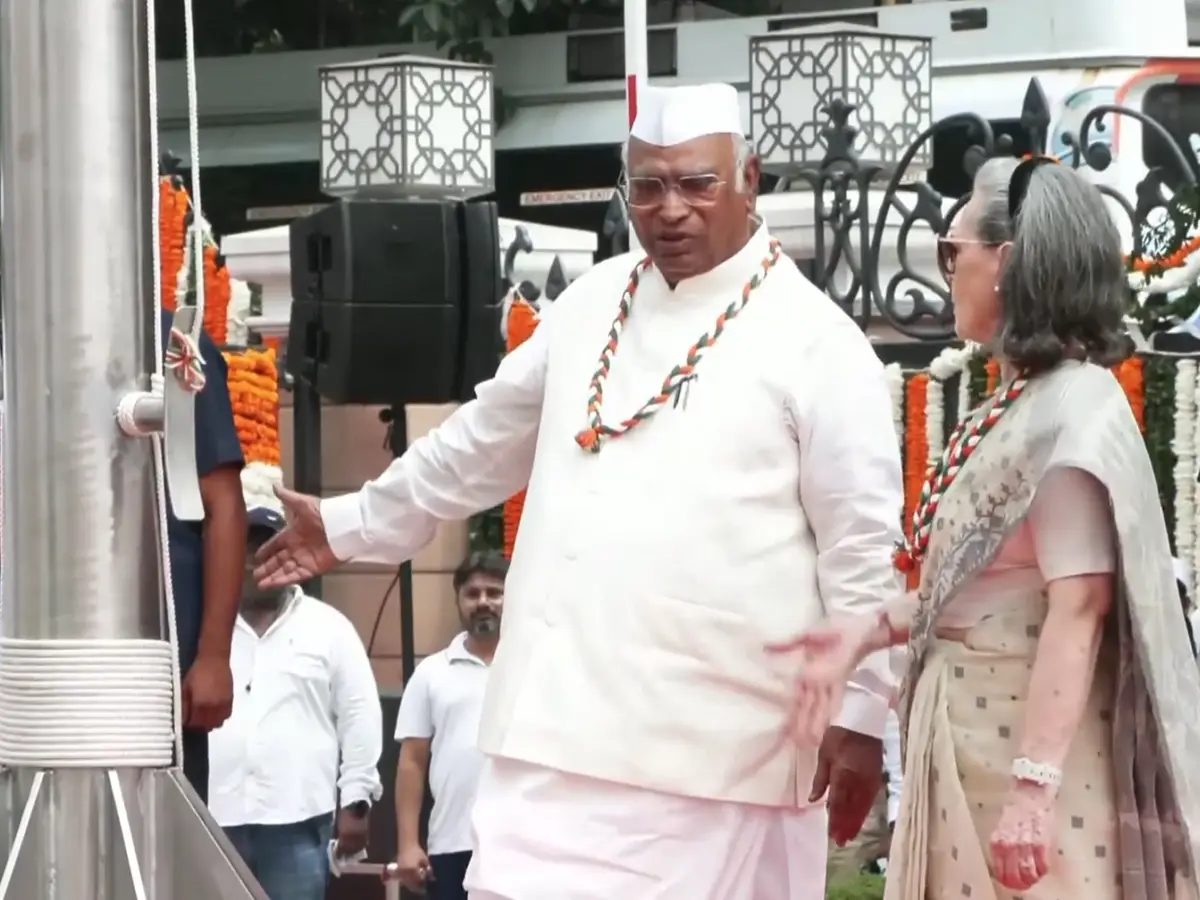
Vande Mataram Row: Sonia Gandhi Faces Complaints After Independence Day
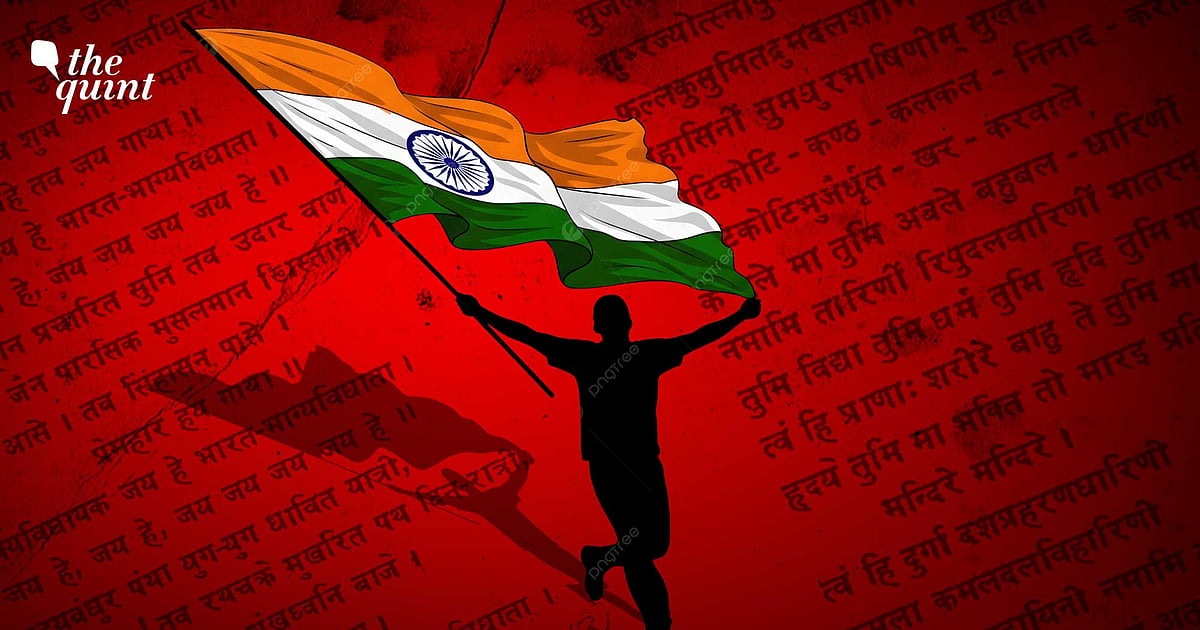
Vande Mataram Bill: Protection Is Not a Singing Mandate

MP CM Yadav demands apology from Gandhis over Vande Mataram

Two Years After RG Kar Doctor's Rape-Murder, Case Remains Unresolved

ED widens Chhattisgarh probes with two arrests and searches

Delhi High Court Orders Madhya Pradesh to Pay Advocate Dues

Haryana sanitation workers’ strike puts BJP government under pressure

Orissa High Court Says Brothel Customers Cannot Face Trafficking Charges