1 week ago
Trump’s Iran Economic Pressure Faces Sanctions-Tested Resistance
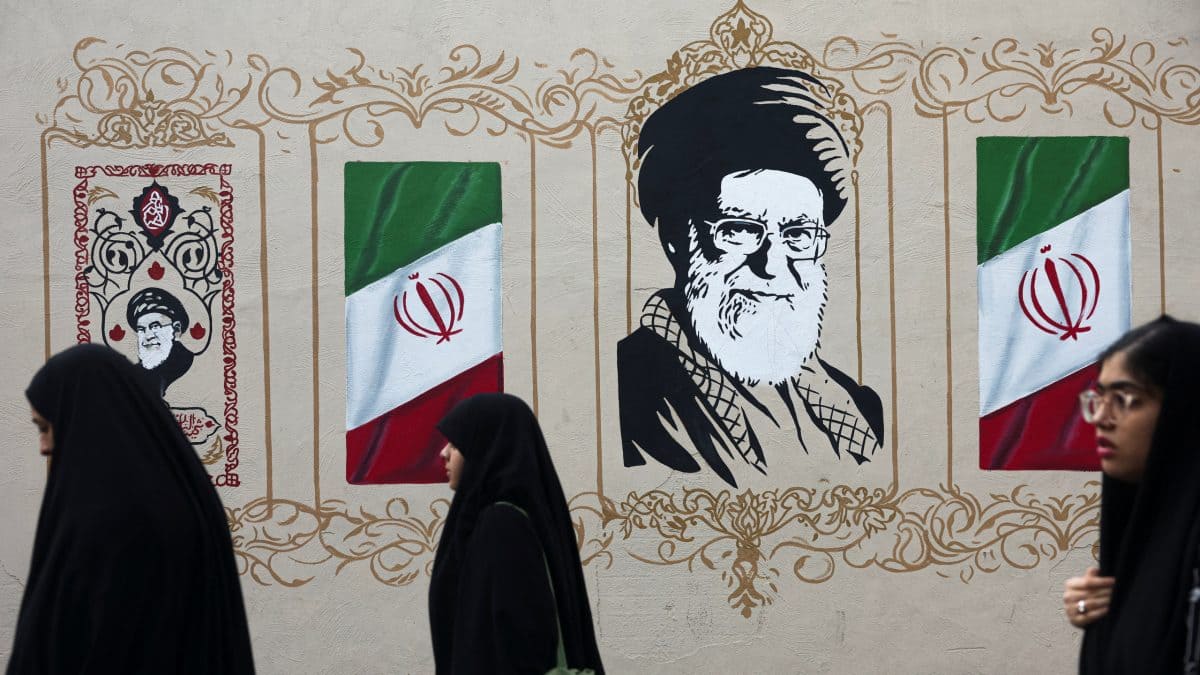
The United States is threatening to punish countries and companies that continue doing business with Iran.
Iran has already faced many sanctions and has learned ways to keep trading.
The United Arab Emirates stopped trade with Iran after alleged attacks, although Iran denied responsibility.
China criticized the new US measures as unauthorized by the United Nations.
Pakistan opened additional trade routes with Iran, and some European countries are also engaging with it.
These connections could make American economic pressure less powerful.
However, Iran is still suffering from sanctions, blocked shipping routes and difficulties selling oil.
The article says that continuing war and economic problems could eventually create hunger and public anger in Iran.
It concludes that leaders should reduce their hostility and seek an end to the conflict.

Donald Trump threatened unprecedented economic penalties against countries and businesses maintaining ties with Iran.
Iran’s foreign minister called the threat a diversion from US debt problems and described sanctions as economic terrorism.
The United Arab Emirates suspended trade with Iran after alleged August 19 attacks, which Tehran denied.
China, Pakistan and some European countries have continued or expanded economic engagement with Iran despite US pressure.
The article argues that sanctions may hurt Iran but could be weakened by Tehran’s trading partners and sanctions-adaptation strategies.
- Who
- The United States under Donald Trump, Iran, the United Arab Emirates, China, Pakistan and several European countries are central to the article.
- What
- The United States is threatening expanded economic isolation of Iran and countries that provide it with financial or commercial support.
- Where
- The dispute concerns Iran and its economic relationships across West Asia, including the UAE, Pakistan, China and Europe.
- When
- The 60-day memorandum discussed in the article has expired; the alleged attacks that prompted the UAE trade suspension occurred on August 19.
- Why
- Washington wants to increase pressure on Iran, while Tehran and its partners seek to preserve trade and reduce the effects of sanctions and wartime blockades.
United States and pressure supporters
Iran and sanctions critics
Effectiveness of economic pressure
United States and pressure supporters
The United States argues that unprecedented economic isolation can pressure Iran by targeting its financial institutions, businesses, trading partners and other sources of support.
Iran and sanctions critics
Iran and the article’s author argue that Tehran’s experience adapting to prolonged sanctions and its network of trading partners could blunt the measures.
Legitimacy of sanctions
United States and pressure supporters
Washington presents the measures as a response to Iran and its allies during the wider conflict.
Iran and sanctions critics
China says unilateral sanctions without United Nations Security Council authorization are improper, while Iran calls them economic terrorism.
Iran’s economic resilience
United States and pressure supporters
The article acknowledges that sanctions, blocked shipping routes and pressure on oil supplies are worsening Iran’s economic conditions.
Iran and sanctions critics
Iran is seeking alternative trade corridors and financial relationships, including routes through Pakistan and possible membership in the New Development Bank, to reduce its exposure.
Key facts
- US threat
- Donald Trump said countries allowing financial, commercial, airport or government support for Iran would face severe economic consequences.
- UAE trade decision
- The UAE suspended all trade with Iran after alleged attacks on August 19; Iran denied involvement.
- China’s position
- China opposed unilateral US sanctions lacking United Nations Security Council authorization and defended lawful economic cooperation with Iran.
- Pakistan trade routes
- Pakistan and Iran activated six strategic transit routes under SRO 691, allowing third-party cargo to reach Iran through Pakistani territory.
- Iran’s partners
- The article says Iran is relying on more than a dozen major trading partners, including China, Russia, India, Pakistan and several neighboring countries.
- Economic pressures
- The article says sanctions, the Strait of Hormuz blockade and disrupted oil supplies are causing serious economic stress for Iran.
Quotes

Masoud Pezeshkian
President of Iran, quoted discussing ending the war.
“This will be economic warfare and isolation on an unprecedented scale. ANY country that allows its financial institutions, businesses, airports, or government entities to provide any type of lifeline to Iran will itself face TREMENDOUS Economic Consequences.”
 firstpost.com
“It is better that we bring the war to an end now as we are in a position of power and dignity”
firstpost.com
Sources
Related news
Trump Warns Iran’s Supporters of Tremendous Economic Consequences

Trump Threatens Economic D-Day Against Iran and Its Partners

Trump Announces Economic D-Day Against Iran, Warns Global Supporters
Iran Vows Retaliation After US Widens Sanctions, Threatens Partners
Trump Announces Crushing Economic Operation Against Iran, Warns Supporters
Iran Warns US Economic War Participants They Are Enemies
Nepal Plans New Landslide Warning System Along China Border

RBI Governor Meets US Fed Chief Kevin Warsh at G20

Tencent-Backed Enflame IPO Draws Massive Investor Demand
Falling Urea Prices Offer India Relief From Subsidy Pressure
Pentagon Turmoil Deepens as Hegseth Tightens Grip on Military