

1 week ago
Iran Warns US Economic War Participants They Are Enemies
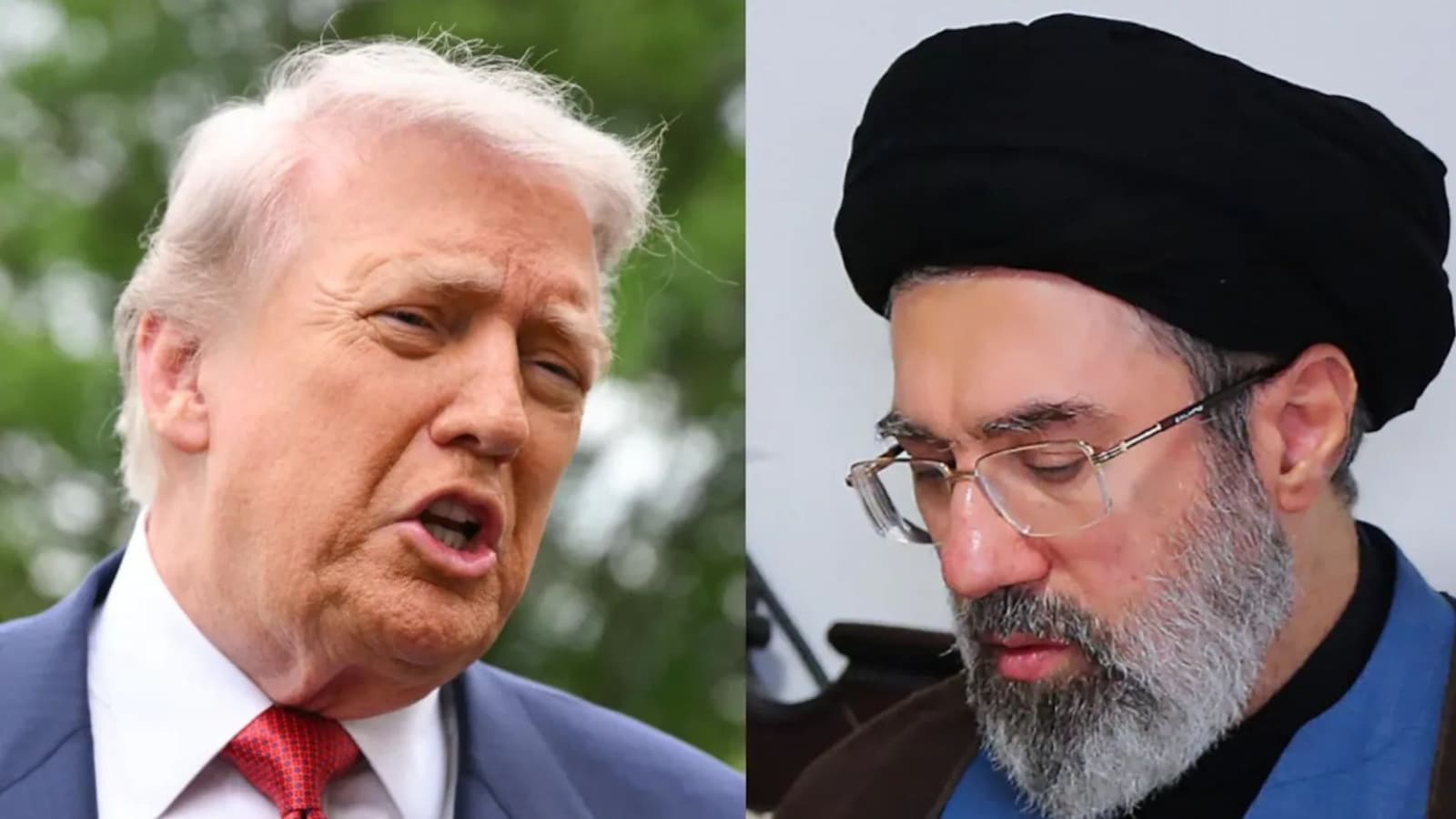
Iran is warning countries not to join a new US effort to pressure its economy.
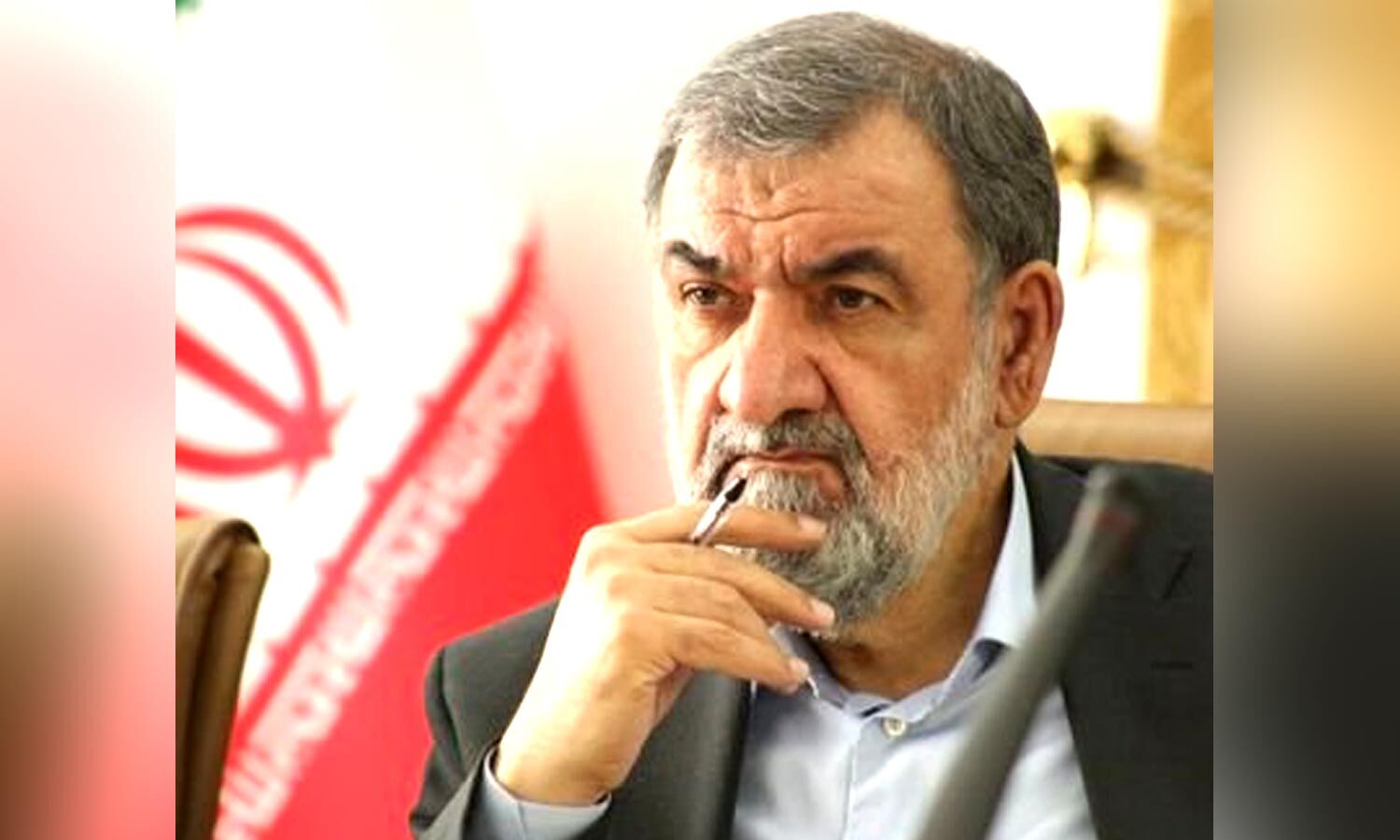
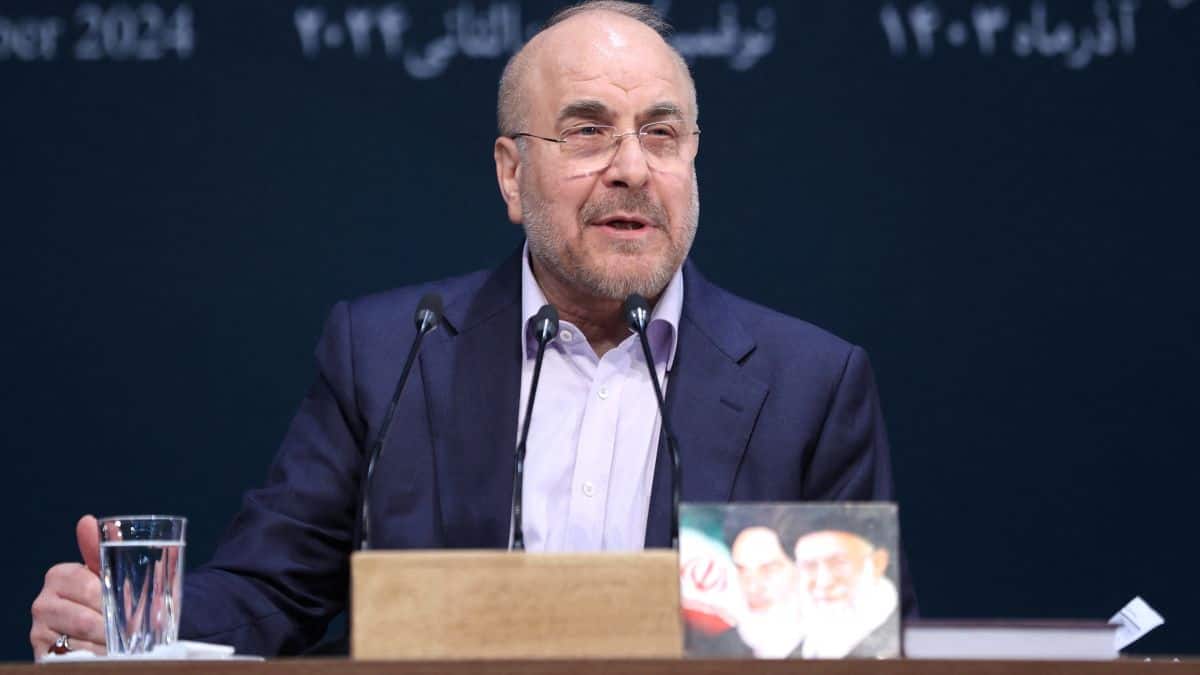
Mohsen Rezaei, a senior Iranian security official, said countries that participate could be treated as enemies.
He said Iran would first ask them to stay away from the conflict.
If they refused, he warned that Iran could harm their interests.
He also said Iran might attack US economic companies and interests.
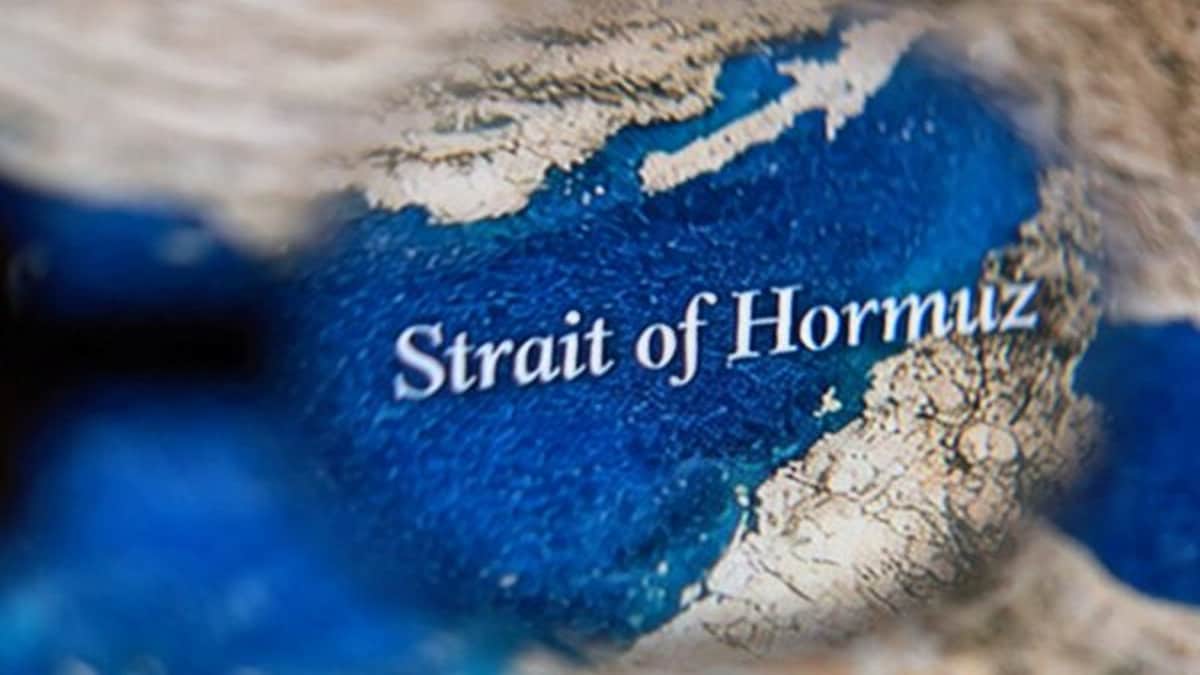
Rezaei threatened to stop oil exports through the Strait of Hormuz if nearby countries joined the campaign.
Iran’s foreign minister said earlier US pressure campaigns had failed and this one would fail too.
Donald Trump described the US plan as unprecedented economic warfare and isolation.
China criticized the initiative, while the United Arab Emirates said it was suspending trade and financial dealings with Iran.

Mohsen Rezaei warned that countries joining the US economic campaign against Iran would be considered enemies.
Iran said it would first ask participating countries to distance themselves, but could harm their interests if they refused.
Rezaei threatened attacks on US economic interests and said Iran could halt oil exports through the Strait of Hormuz.
Iranian Foreign Minister Seyed Abbas Araghchi said the latest US economic campaign would fail like previous pressure efforts.
Donald Trump called the campaign unprecedented economic warfare and isolation, while China criticized the initiative and the United Arab Emirates suspended trade with Iran.
- Who
- Mohsen Rezaei, Iranian Foreign Minister Seyed Abbas Araghchi, US President Donald Trump, and governments including China and the United Arab Emirates.
- What
- Iran warned that countries participating in the US economic campaign could be considered enemies and face retaliation.
- Where
- The warning was issued on Iranian state television and concerned US and regional economic interests, including the Strait of Hormuz.
- When
- Rezaei and Araghchi spoke on Saturday; Trump announced the campaign on Wednesday; the United Arab Emirates announced its suspension on Tuesday. The 60-day negotiation period under the June 18 memorandum ended on Monday.
- Why
- Iran said it was responding to the US effort to isolate and economically pressure it.
Iran’s Position
United States’ Position
Economic pressure
Iran’s Position
Iranian officials said the new US economic campaign would fail like previous sanctions and pressure efforts.
United States’ Position
Donald Trump described the campaign as the most crushing economic operation ever and as unprecedented economic warfare and isolation.
Countries joining the campaign
Iran’s Position
Iran said participating countries should distance themselves from the United States or risk being treated as enemies and having their interests harmed.
United States’ Position
The United States has urged other governments, including strategic partners of Iran, to join efforts to isolate the Iranian economy.
Possible escalation
Iran’s Position
Iran threatened to strike US economic interests and potentially stop oil exports through the Strait of Hormuz if the pressure campaign expanded.
United States’ Position
The US announcement frames economic isolation as a response to countries providing Iran with economic support, while the article does not state specific US military or economic retaliation plans.
Key facts
- Iranian official
- Mohsen Rezaei, secretary of Iran’s Supreme National Security Council
- Iran’s warning
- Countries participating in US economic restrictions could be considered enemies.
- Potential retaliation
- Iran warned it could harm the interests of countries that refused to distance themselves from the US campaign.
- US economic interests
- Rezaei said Iran had not yet targeted American economic interests but threatened to strike US oil and economic companies if sanctions were imposed.
- Strait of Hormuz
- Iran said it would not allow oil exports through the strait if surrounding countries joined the US effort.
- US position
- Donald Trump called the campaign unprecedented economic warfare and isolation against countries providing Iran with a lifeline.
- Regional responses
- China criticized the initiative, while the United Arab Emirates announced a suspension of trade and financial transactions with Iran.
- Peace memorandum
- A June 18 US-Iran memorandum scheduled negotiations within 60 days, but the talks’ future remains unclear after escalation.
Quotes
Seyed Abbas Araghchi
Iranian foreign minister
“14 years ago: 'Most crippling sanctions in history.' Failed. 8 years ago: 'Maximum pressure.' Failed. 5 months ago: 'Unconditional surrender.' Failed. Today: 'Most crushing economic operation ever.' Bound to fail”
 thehansindia.com
“So far, we have only targeted military bases, but if they want to impose economic sanctions on us, the United States has oil and economic companies around Iran and elsewhere, and we will strike them”
 NDTV
NDTV
Sources
Related news

Iran Warns Allies as US Escalates Economic Pressure
Iran Threatens Trump, Warns Sanctions Backers of Retaliation

Iran Warns Neighbors as Trump Escalates Economic Pressure
Iran Threatens Persian Gulf Oil Halt Amid US Economic Pressure

Trump Announces Unprecedented Economic Campaign to Isolate Iran, Warns Allies
US Threatens Iran With Economic D-Day as Tehran Responds
Iran Seizes Fuel-Smuggling Vessel in Gulf, Arrests 11 Crew
Trump Floats Renaming Strait of Hormuz as “Trump Strait”

Chevron Plans $7 Billion Venezuela Expansion Amid U.S. Oil Push
Saudi Tanker Hit in Hormuz, Killing Two Filipino Sailors
Indian Stocks Extend Three-Day Losing Streak as Oil Rises
