1 week ago
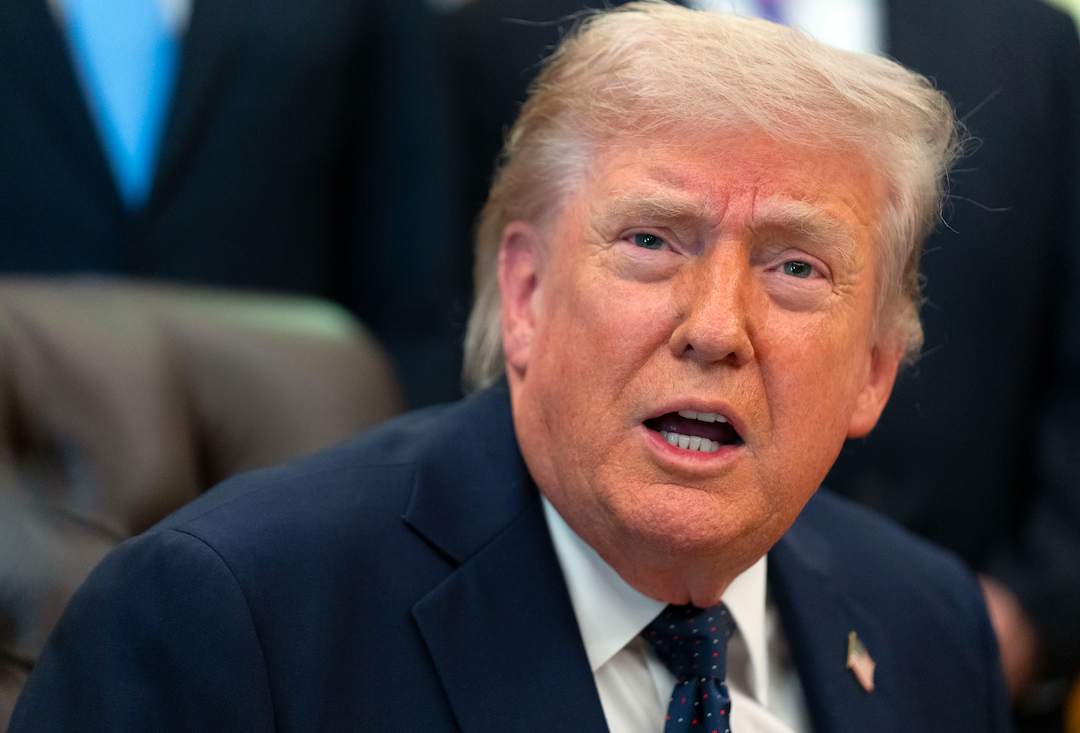
Trump Announces Economic D-Day Against Iran, Warns Global Supporters

Donald Trump says the United States will use very strong economic pressure against Iran.
He called the plan an “economic D-Day” and said it would isolate Iran.
He warned other countries not to help Iran through banks, businesses, airports, or government agencies.
The plan would target oil smuggling, money transfers, exchange houses, and companies used to avoid restrictions.
Trump said the pressure would stop Iran from supporting armed groups and obtaining nuclear weapons.
Talks between the United States and Iran about ending the war have stopped making progress.
One major disagreement is who controls shipping through the Strait of Hormuz.
Trump said the strait is open, but Iran’s parliament speaker said it will stay closed until US commitments are met.
Trump also threatened Oman if it interfered with his administration’s talks with Iran.

Donald Trump announced what he called the most crushing economic operation ever taken against a country, describing it as economic warfare and isolation against Iran.
Trump warned countries whose financial institutions, businesses, airports, or government entities support Iran that they would face tremendous economic consequences.
The measures target Iran’s alleged economic lifelines, including oil smuggling, financial transfers, exchange houses, ship registries, and front companies.
US-Iran talks to end the war have stalled, with the Strait of Hormuz and the terms of a June 17 memorandum remaining major disputes.
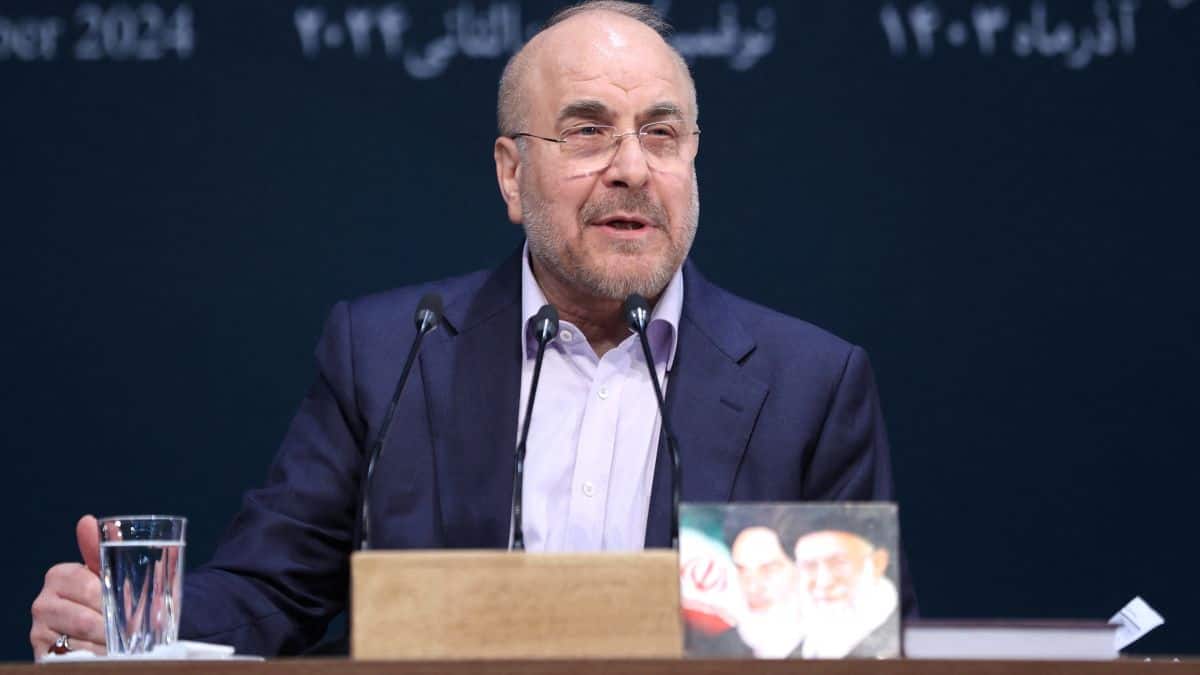
Iranian Parliament Speaker Mohammad Bagher Ghalibaf said the strait would remain closed until the United States meets commitments including lifting the blockade and easing sanctions.
- Who
- US President Donald Trump announced the measures against Iran; Iran, Oman, and Iranian Parliament Speaker Mohammad Bagher Ghalibaf are involved in the related dispute.
- What
- Trump announced an economic warfare and isolation campaign against Iran and threatened consequences for countries or entities helping Tehran.
- Where
- The dispute involves the United States, Iran, Oman, and the Strait of Hormuz.
- When
- Trump made the announcement on Wednesday, August 19, local time; the conflict reportedly began on February 28, and the memorandum was signed on June 17.
- Why
- Trump said the measures would pressure Iran after talks stalled, while Iran said reopening the Strait of Hormuz depended on US commitments.
Trump Administration’s Position
Iranian Leadership’s Position
Negotiation progress
Trump Administration’s Position
Trump has said Iran was given a major opportunity to reach a deal and has previously claimed that talks were making progress.
Iranian Leadership’s Position
Iran’s leadership has denied that negotiations were progressing or that Tehran was pleading for a deal, while reports describe the talks as stalled.
Economic pressure
Trump Administration’s Position
Trump argues that economic warfare and international isolation are needed to weaken Iran, limit its ability to project terror, and prevent it from obtaining nuclear weapons.
Iranian Leadership’s Position
Iran has rejected the US position and is described as pursuing a maximalist approach while negotiations remain unresolved.
Strait of Hormuz
Trump Administration’s Position
Trump said the strait was open and opposed arrangements that he believed could interfere with his administration’s negotiations.
Iranian Leadership’s Position
Ghalibaf said the strait would remain closed until US commitments—including lifting the blockade, releasing frozen Iranian assets, and easing oil sanctions—were fulfilled.
Key facts
- Announced policy
- An unprecedented economic warfare and isolation campaign against Iran.
- Threatened consequences
- Countries allowing financial institutions, businesses, airports, or government entities to support Iran would face what Trump called tremendous economic consequences.
- Targeted activities
- Oil smuggling, swap lines, cash transfers, exchange houses, ship registries, and front companies.
- Negotiations
- US-Iran talks to end the ongoing war have stalled, primarily over the future of the Strait of Hormuz.
- June 17 memorandum
- A 14-point agreement sought to end the conflict, lift the US naval blockade, and restore uninterrupted shipping through the strait, but it fell apart.
- Trump’s position
- Trump said the Strait of Hormuz remained open and that the naval blockade had been successful.
- Iranian position
- Mohammad Bagher Ghalibaf said Iran would not reopen the strait until the United States lifted the blockade, released frozen Iranian assets, and eased oil sanctions.
- Oman warning
- Trump said the United States would bomb Oman if it obstructed his administration’s talks with Iran.
Quotes

Donald J. Trump
U.S. President
“"Today, I am announcing that ANY country that allows its financial institutions, businesses, airports, or government entities to provide any type of lifeline to Iran will itself face TREMENDOUS Economic Consequences."”
 rediff.com
 livemint.com
“Today, I am announcing the MOST CRUSHING ECONOMIC OPERATION EVER TAKEN AGAINST ANY COUNTRY! This will be Economic Warfare and Isolation on an unprecedented scale.”
livemint.com
Sources

Related news
Trump Announces Crushing Economic Operation Against Iran, Warns Supporters

Trump Announces Unprecedented Economic Campaign to Isolate Iran, Warns Allies
Trump Warns Iran’s Supporters of Tremendous Economic Consequences
Trump Threatens ‘Economic D-Day’ Sanctions Against Iran Allies
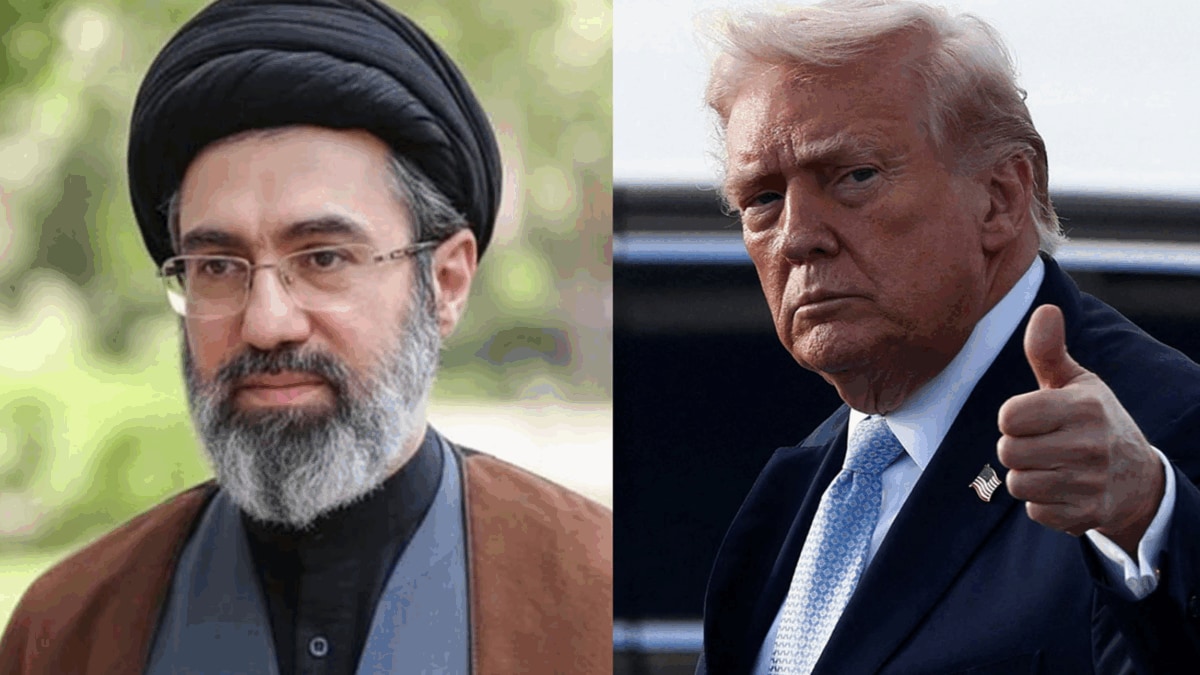
Trump Escalates Economic Pressure on Iran, Warns Trading Nations
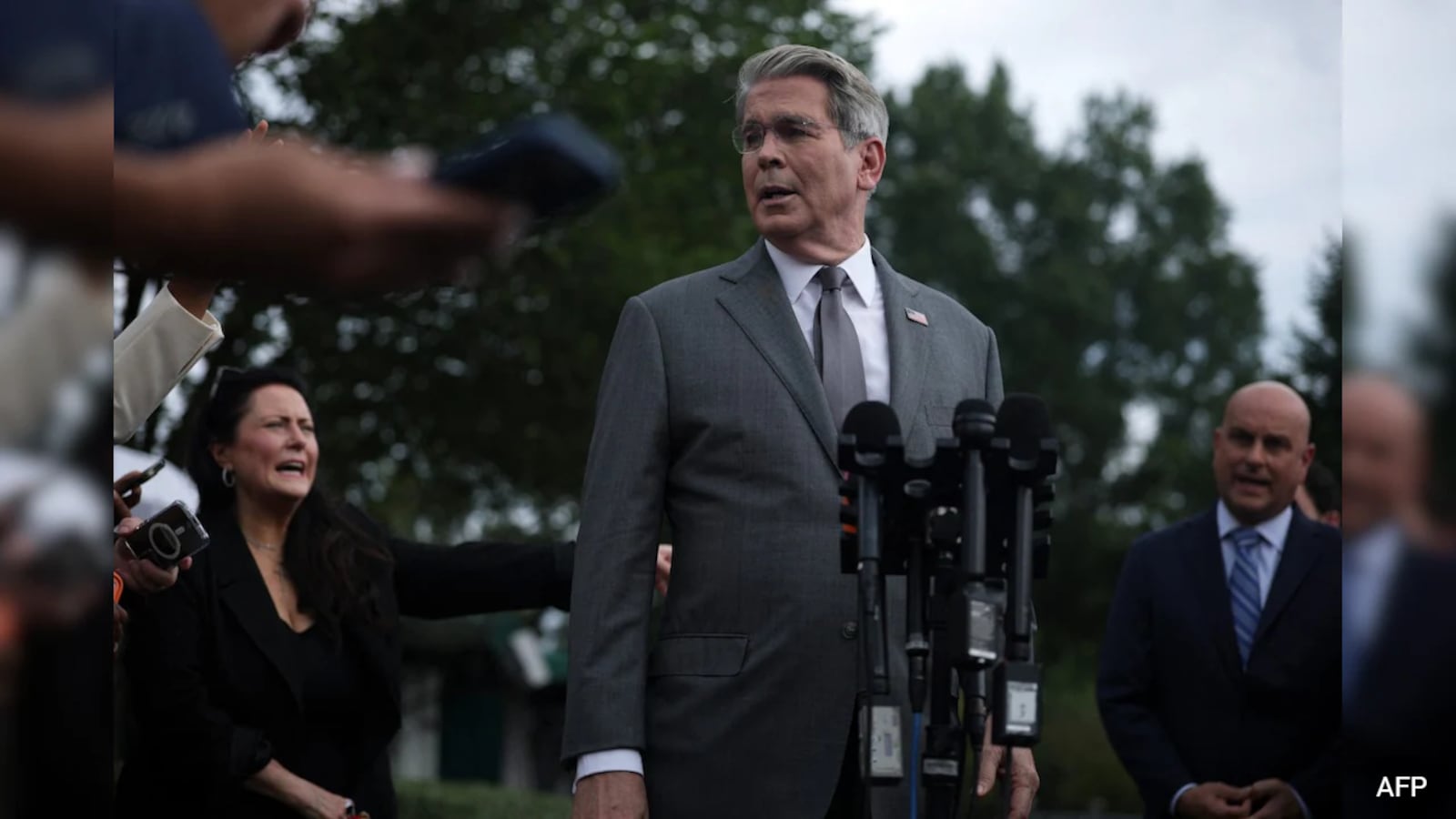
US Threatens Iran With Economic D-Day as Tehran Responds
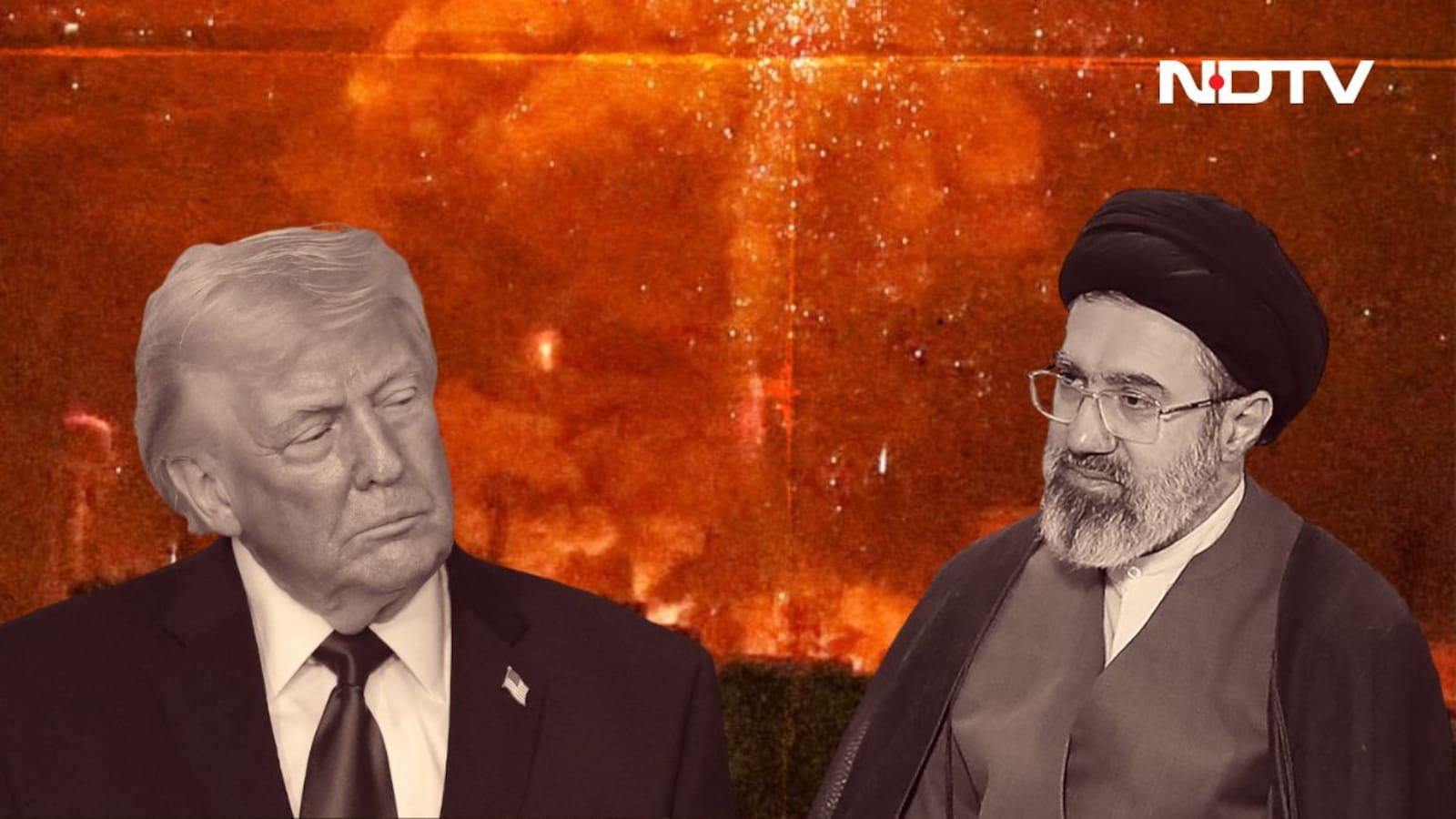
US-Iran Strikes Escalate as Tehran Warns of New Strategy
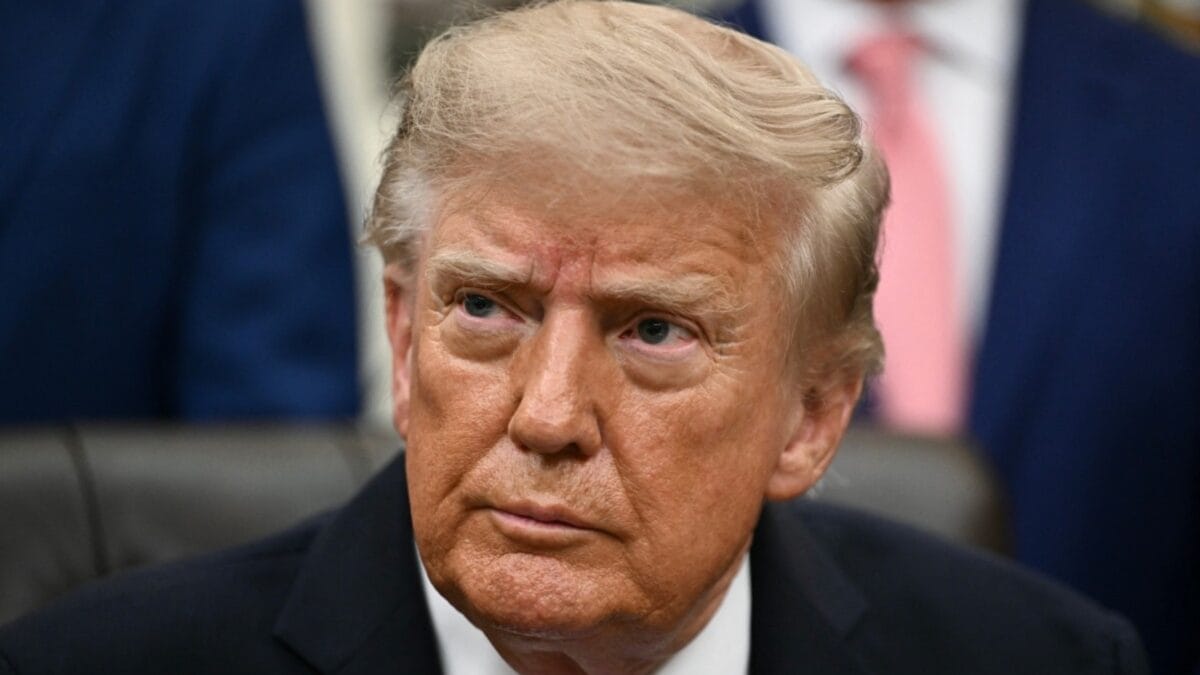
Trump Warns of Fresh Iran Strike After Heavy Attack

Trump Says US Could Attack Iran Again at Will

U.S. Treasury Yields Ease as Jobs Data Misses Expectations
Iran Seizes Fuel-Smuggling Vessel in Gulf, Arrests 11 Crew