1 month ago
IIT-ISM Dhanbad Secures Patent for Copper Recovery Technology

IIT-ISM Dhanbad, a big research university in India, invented a new machine that can pull copper out of dirty water.
They got a special permission called a patent for this invention.
The machine uses electricity to pull copper from the water while cleaning it.
This helps factories, especially those that mine metals, to reuse copper and keep the water clean.
The university says this shows they care about the environment and want to help industries grow safely.

IIT-ISM Dhanbad researchers secured an Indian patent for a copper‑recovery reactor.
The reactor uses a cathodic electrochemical process to recover copper while treating wastewater.
The technology is especially useful for mining and metallurgical sectors.
Prof Vipin Kumar led the research and highlighted its environmental benefits.
IIT-ISM Director Prof Sukumar Mishra praised the patent as a step toward sustainable industry.
- Who
- IIT-ISM Dhanbad researchers led by Prof Vipin Kumar
- What
- Secured an Indian patent for an electrochemical reactor that recovers copper from wastewater
- Where
- IIT-ISM Dhanbad, India
- When
- Friday (date not specified)
- Why
- To promote sustainable wastewater treatment and resource recovery, especially for mining and metallurgical industries
Key facts
- Patent Title
- An Electrochemical Reactor for Cathodic Recovery of Copper from Wastewater
- Patent Granted By
- Patent Office, Government of India
- Lead Researcher
- Prof Vipin Kumar
- Technology
- Cathodic electrochemical copper recovery
- Sector Benefited
- Mining and metallurgical
Quotes
Professor Vipin Kumar
Professor of Environmental Science and Engineering at IIT‑ISM, lead researcher on the copper recovery project
“The patent is the result of years of sustained research. Obtaining it involved a rigorous examination process where we had to demonstrate the novelty and scientific merit of the technology. We hope the innovation will support sustainable wastewater management and resource recovery, particularly in mining‑affected regions”
 rediff.com
Sources
Related news

Parul University, IIT Palakkad Patent E-Waste Innovation
MiniMines Cleantech Secures Patent for Hybrid Hydrometallurgy Technology
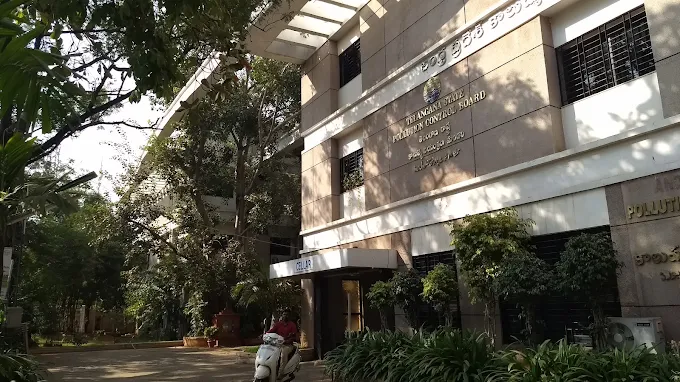
Hyderabad Hosts Workshop on Battery Waste and Critical Mineral Recovery
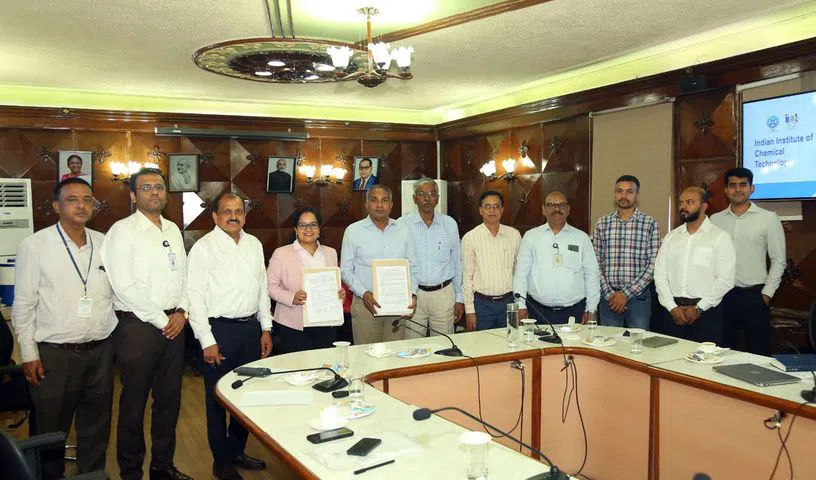
CSIR-IICT and ReSL Sign Pact for Sustainability Research
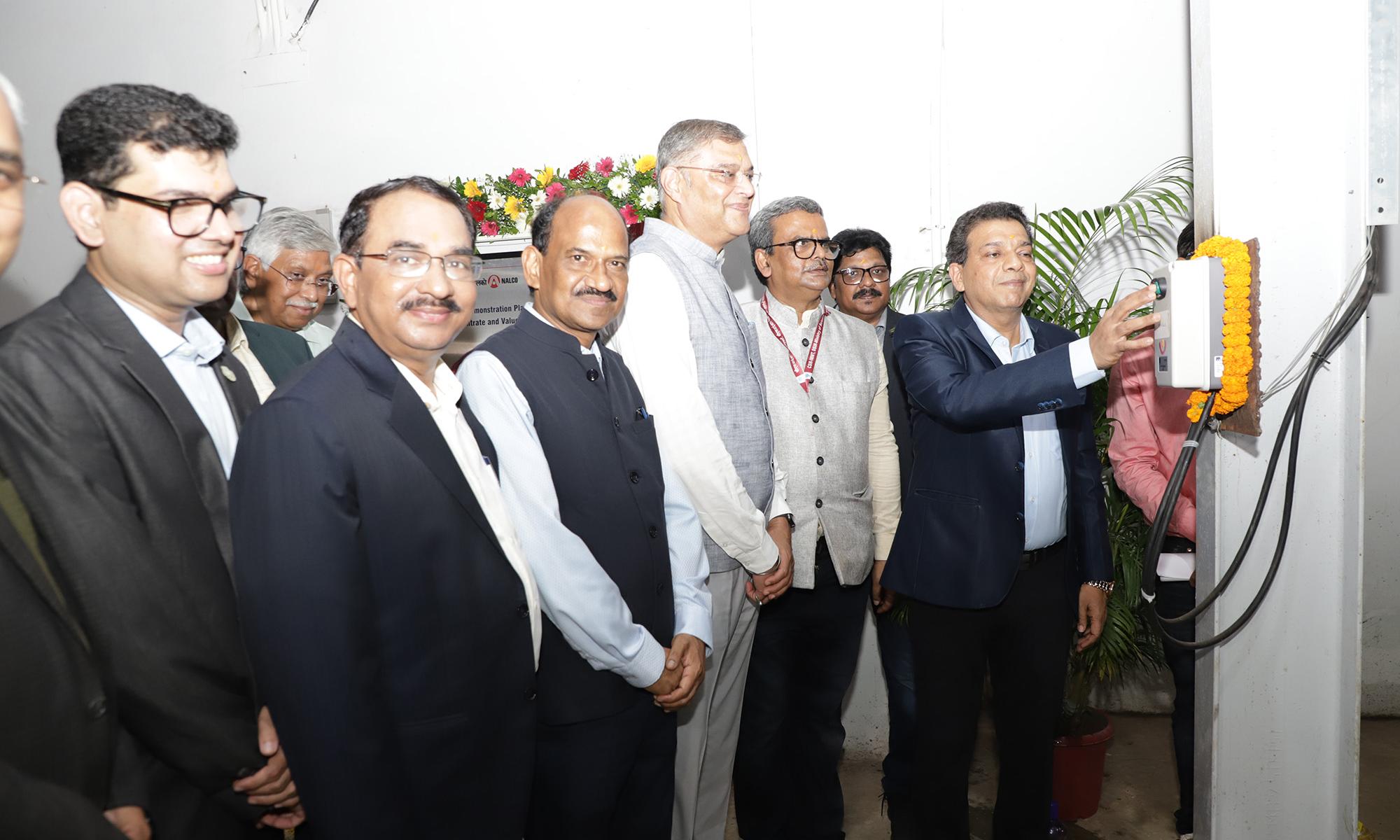
NALCO Launches Industrial Residue Recovery Pilot Plants With Research Partners
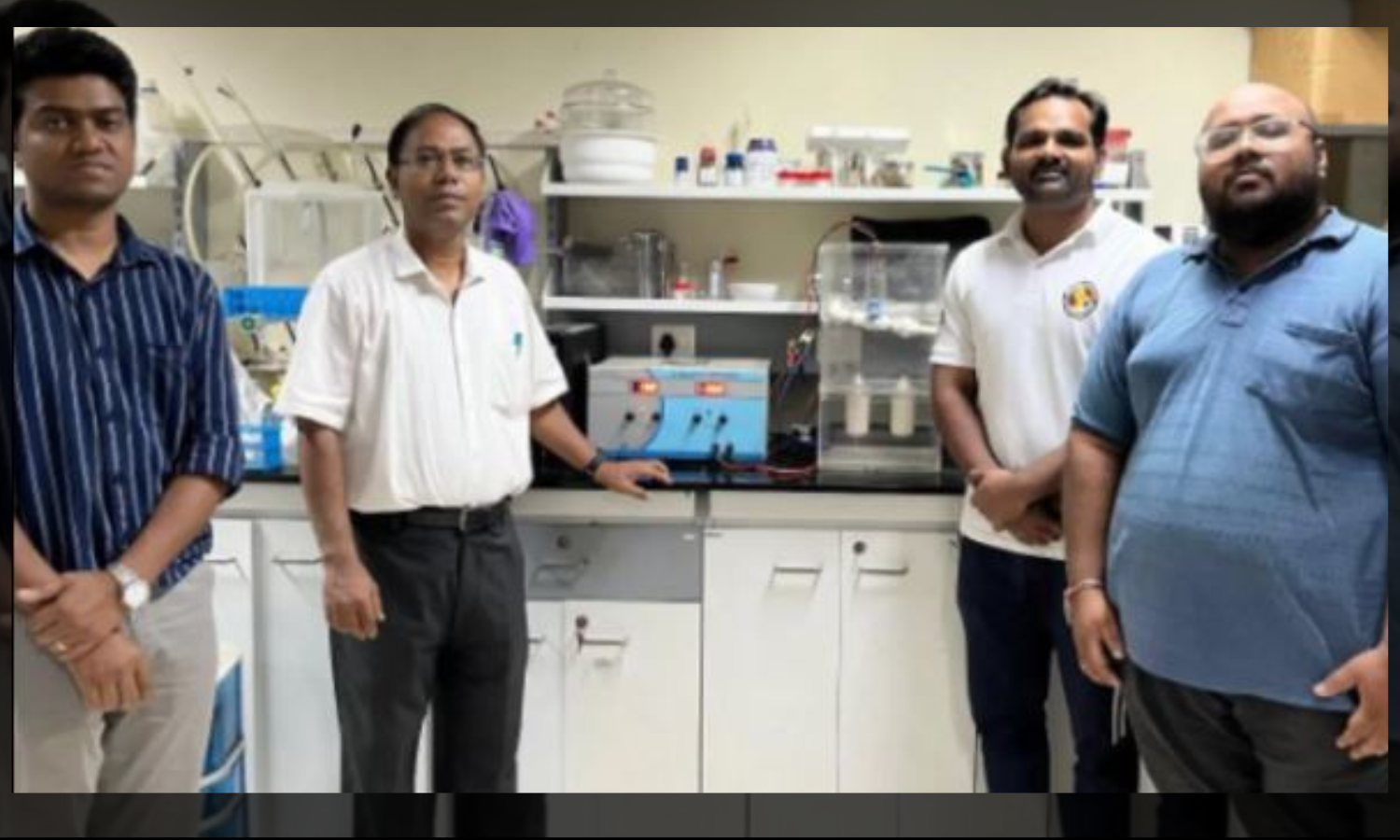
IIT Guwahati Develops Low-Cost Reactor for Arsenic, Fluoride Removal
Reform India's GI tag system to protect farmers and produce
India's Ecological Knowledge Vulnerable to Biopiracy
Bottlenecks in Indian Intellectual Property System