1 month ago
India's Ecological Knowledge Vulnerable to Biopiracy
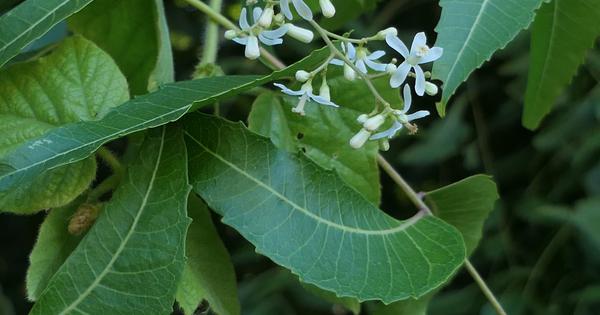
India has a rich history of traditional ecological knowledge, such as using neem extracts for pest control and developing drought-resistant millet varieties.
However, this knowledge is vulnerable to biopiracy, where companies patent traditional practices without proper consent or benefit-sharing.
The current legal framework is inadequate to protect this knowledge, especially as biotechnology advances make it easier to commercialize traditional practices.
Reforms are needed to extend legal protections, ensure community control over knowledge, and require disclosure of the origins of traditional knowledge in patent applications.
The goal is to balance innovation with the protection of community rights and the preservation of traditional ecological knowledge.

India's traditional ecological knowledge, such as neem extracts and millet landraces, is vulnerable to biopiracy.
Current legal frameworks like the Biological Diversity Act and Patents Act are inadequate to protect this knowledge.
Advances in biotechnology have made it easier to commercialize traditional practices, narrowing the time between documentation and patenting.
Reforms are needed to extend legal protections, ensure community control over knowledge, and require disclosure of traditional knowledge origins in patent applications.
The goal is to balance innovation with the protection of community rights and the preservation of traditional ecological knowledge.
- Who
- Indian communities, researchers, and legal experts.
- What
- The vulnerability of India's traditional ecological knowledge to biopiracy and the need for legal reforms.
- Where
- India, particularly in regions like Odisha, Karnataka, and Andhra Pradesh.
- When
- The issue has been ongoing for decades, with recent advancements in biotechnology exacerbating the problem.
- Why
- To protect traditional ecological knowledge from misappropriation and ensure benefit-sharing with communities.
Protecting Traditional Knowledge
Commercial Exploitation
Legal Protection
Protecting Traditional Knowledge
Strengthen legal frameworks to protect traditional ecological knowledge and ensure benefit-sharing with communities.
Commercial Exploitation
Commercial entities argue that modifications to traditional knowledge should qualify for patents, enabling innovation and economic growth.
Community Rights
Protecting Traditional Knowledge
Communities should have control over their traditional knowledge and decide on its documentation and access.
Commercial Exploitation
Researchers and companies contend that open access to knowledge fosters scientific advancement and technological development.
Key facts
- Neem Patent Case
- A US company's patent on neem extracts was revoked in 2000 after a six-year legal challenge led by the Research Foundation for Science, Technology, and Ecology.
- Biological Diversity Act
- Requires prior informed consent and benefit-sharing when biological resources are accessed for commercial use.
- Patents Act, 1970
- Bars patents on traditional knowledge but does not protect commercial products developed from it.
- Forest Rights Act, 2006
- Recognizes Adivasi communities’ rights to manage and use community forest resources.
- Traditional Knowledge Digital Library (TKDL)
- A database of traditional knowledge formulations that has helped block over 370 patent applications worldwide.
Sources
Related news

Will Pucovski Sues Brighton Grammar Over Concussion Handling

ChatGPT May Add Locks for More Private Conversations

Assam to Seek Centre Approval to Cut Kaziranga Buffer Zone

Supreme Court: Electricity Boards Strictly, Not Absolutely Liable in Electrocution

MiniMines Cleantech Secures Patent for Hybrid Hydrometallurgy Technology
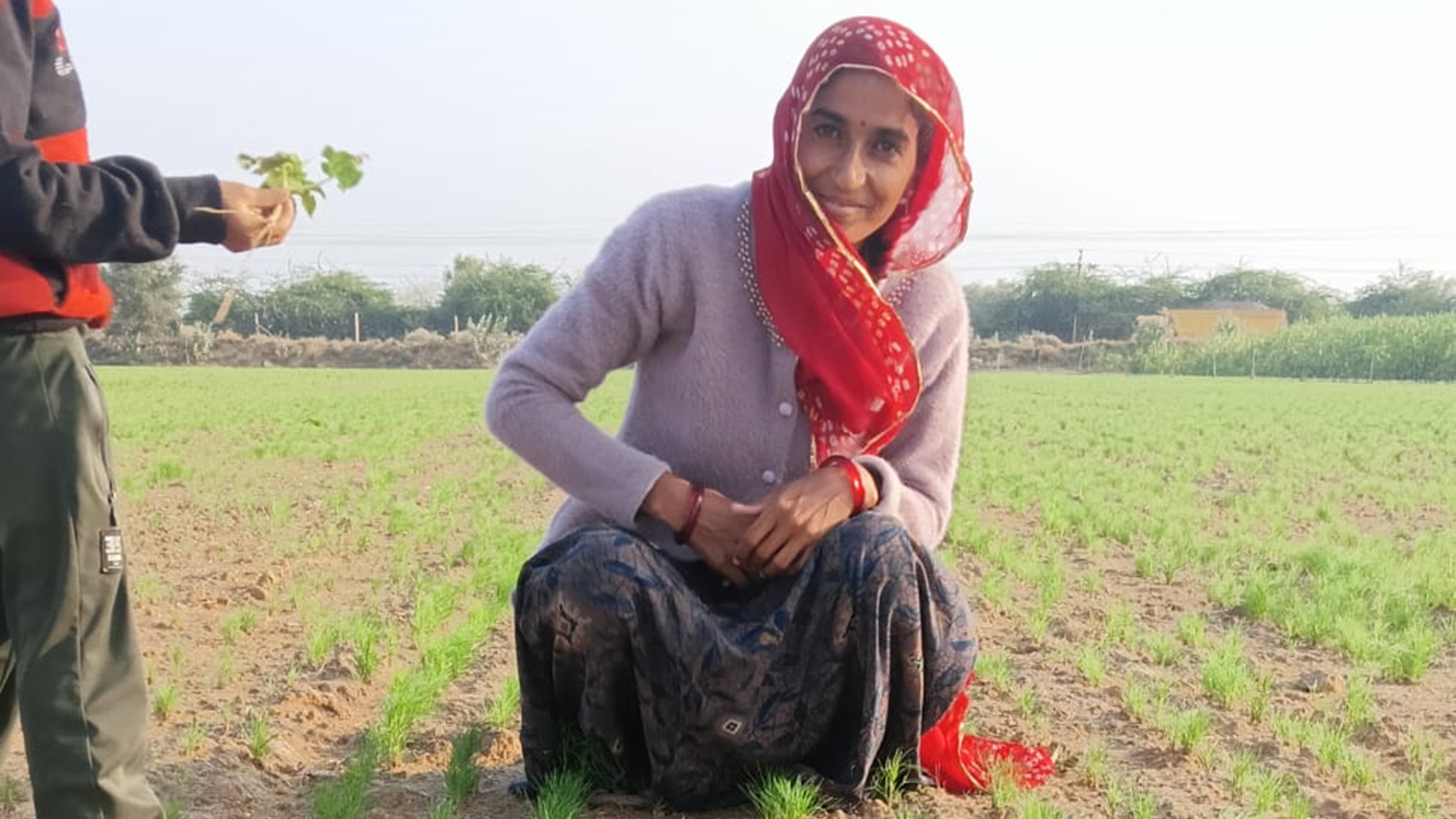
Reform India's GI tag system to protect farmers and produce
IIT-ISM Dhanbad Secures Patent for Copper Recovery Technology

Bottlenecks in Indian Intellectual Property System