7 months ago
Bottlenecks in Indian Intellectual Property System
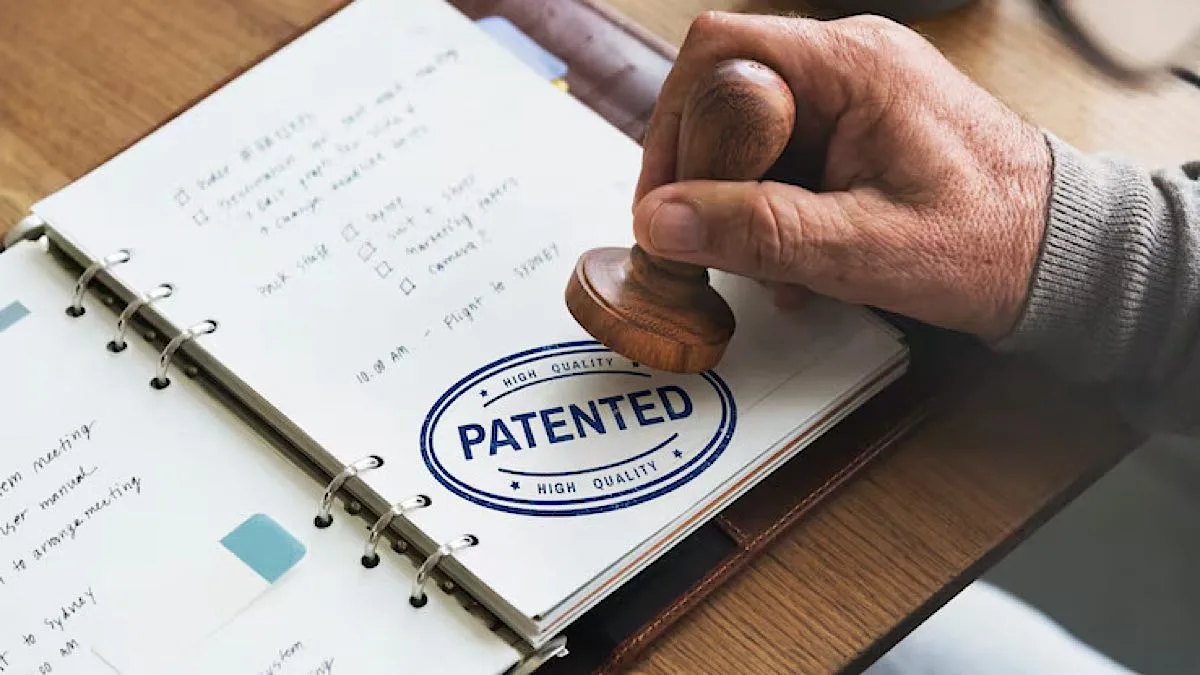
India has been working on improving its intellectual property (IP) system, but there are still many problems.
The patent process is very slow, taking several years from filing to approval.
This is because there aren't enough trained examiners, and the ones who are there have too much work.
The computer systems used for managing patents are also not very good, making it hard to track the status of applications.
Additionally, there are issues with software patents, trademark squatting, and copyright enforcement.
These problems make it difficult for inventors, startups, and businesses to protect their ideas and innovations.
The article suggests that India needs to hire more examiners, improve its technology, and make the IP system more transparent and efficient to encourage innovation and investment.

India's intellectual property system faces significant bottlenecks, particularly in patents, trademarks, and copyrights.
Delays in patent examination, often lasting several years, hinder innovation and commercial value.
The Indian Patent Office suffers from a shortage of trained examiners and outdated technological infrastructure.
Incomplete file wrappers and lack of real-time updates complicate due diligence and increase litigation risks.
Reforms are needed to address manpower shortages, improve digital infrastructure, and enhance transparency and efficiency in the IP system.
- Who
- Indian Patent Office, inventors, researchers, legal practitioners, and other stakeholders
- What
- Bottlenecks and delays in the Indian intellectual property system, particularly in patents, trademarks, and copyrights
- Where
- India
- When
- Over the past 20 years, with ongoing issues and recent reforms
- Why
- Due to structural bottlenecks, manpower shortages, technological infrastructure gaps, and procedural delays
Key facts
- Primary Category
- LAW
- Secondary Category
- Intellectual Property
- Tertiary Category
- Patents
- Quaternary Category
- Reform
Sources
Related news

MiniMines Cleantech Secures Patent for Hybrid Hydrometallurgy Technology
Reform India's GI tag system to protect farmers and produce
IIT-ISM Dhanbad Secures Patent for Copper Recovery Technology

India's Ecological Knowledge Vulnerable to Biopiracy