3 weeks ago
Reform India's GI tag system to protect farmers and produce
Some foods and products get a special label called a Geographical Indication, or GI tag.
The tag says the product really comes from the place that is famous for it, like special tea from Darjeeling.
In early 2026, GI tags were given to jeera (cumin) and saunf (fennel) from Unjha, a market town in Gujarat.
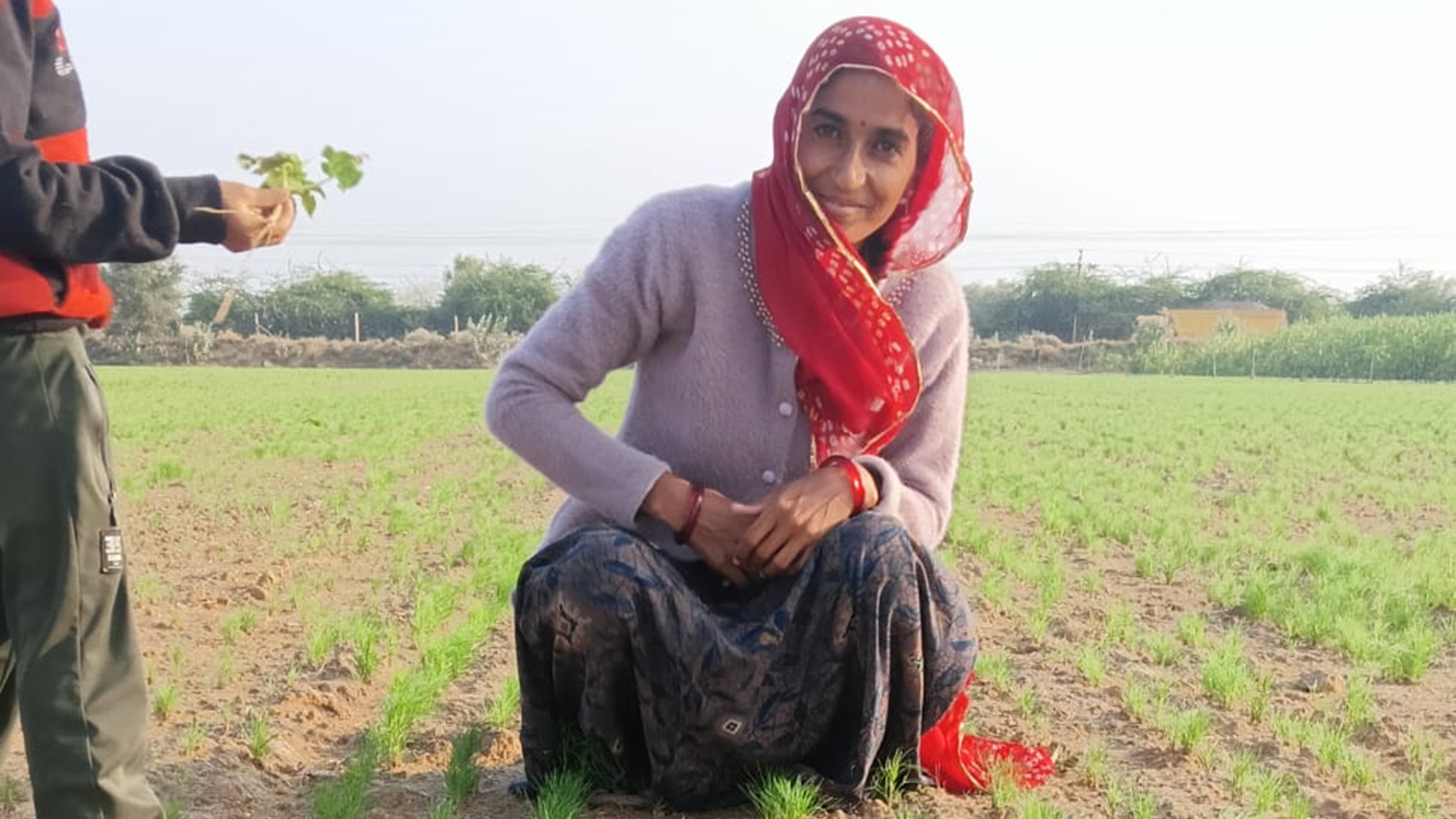
Farmers in Rajasthan were worried because they grow a lot of cumin too — around 300,000 tonnes — and they said the tags could hurt them.
The rules gave people only three months to object, and Rajasthan's farmers say language and other barriers stopped them from doing that.
The article says India's GI system has big problems: it is slow, and lots of fake products, like counterfeit Darjeeling tea, are still sold.
A fight over Basmati rice has been stuck in India's courts since 2021, when the Supreme Court sent it back to the Madras High Court.
Even when GI products sell for more money, only 10 to 15 per cent of that extra money reaches the farmers, with the rest going to middlemen.
The article says India should change its rules, following the European Union's example, and that a special government GI enforcement team should watch for cheats.
That way, the GI tag can protect the farmers who actually grow the crops, not just big markets and businesses.

In early 2026, the Geographical Indication Registry granted GI tags for Unjha jeera and saunf to the Unjha Agriculture Produce Market Committee in Gujarat, prompting objections from Rajasthan producers.
Rajasthan, which alone produces around 3,00,000 tonnes of cumin, argues the tags could affect producers outside Gujarat; language and source barriers kept its farmers from objecting within the three-month window set by the GI Act, 1999.
India has 724 registered GIs — 0.52 per million population — versus Hungary's 7,290 (751 per million citizens), and only 46% of applications have been approved after years-long processes.
Enforcement is weak: an estimated 40 million kg of counterfeit Darjeeling tea is sold worldwide, about 10 times actual production, and 58% of GIs have no authorised users.
GI-tagged products command a 20-30% premium, but only 10-15% reaches Indian producers versus 50-60% in the European Union; the article urges EU-style, state-led reforms such as GI Enforcement Cells.
- Who
- Indian farmers — particularly cumin growers in Rajasthan — the Unjha Agriculture Produce Market Committee in Gujarat, the Geographical Indication Registry, and the Indian courts.
- What
- A push to reform India's Geographical Indication (GI) tag system, which critics say is slow, poorly enforced, and fails to deliver economic benefits to farmers.
- Where
- India, centring on Gujarat's Unjha market and Rajasthan's cumin-producing regions, with comparisons to the European Union.
- When
- In early 2026, after GI tags were granted to Unjha jeera and saunf; the reform debate is ongoing.
- Why
- Because enforcement is weak — with about 40 million kg of counterfeit Darjeeling tea sold worldwide — and TERI studies show only 10-15% of GI premiums reach actual producers, versus 50-60% in the EU.
Reform advocates and Rajasthan producers
GI Registry and Unjha APMC / status quo
Unjha jeera and saunf GI tags
Reform advocates and Rajasthan producers
Rajasthan producers argue the GI tags, granted to Gujarat's Unjha APMC, could affect jeera and saunf producers outside Gujarat, and language and source barriers prevented them from objecting within the three-month window.
GI Registry and Unjha APMC / status quo
The Geographical Indication Registry granted the tags to the Unjha Agriculture Produce Market Committee after the application process provided under the GI Act, 1999.
Who should enforce GI protection
Reform advocates and Rajasthan producers
India should shift to a state-led enforcement model like the EU's, with GI Enforcement Cells within state agricultural departments and an Online GI Monitoring Cell, instead of forcing underfunded producers to police markets under Section 25 of the GI Act.
GI Registry and Unjha APMC / status quo
The current framework leaves enforcement and cancellation to aggrieved parties through slow, costly civil court battles under Sections 25 and 27 of the GI Act.
Key facts
- Registered GIs in India
- 724 (0.52 per million population)
- GIs in Hungary (2023)
- 7,290 (751 per million citizens)
- GI application approval rate
- 46%
- Rajasthan cumin output
- Around 3,00,000 tonnes
- Counterfeit Darjeeling tea
- About 40 million kg sold worldwide (10 times actual production)
- Premium reaching producers
- 10-15% in India vs 50-60% in the European Union
- GIs without authorised users
- 58%
- Objection window (GI Act, 1999)
- Three months after notice is published in the GI journal
Quotes
Rajasthan farmer
A local farmer in Rajasthan
“We cultivate jeera, Unjha is just a market,”
 indianexpress.com
Sources
Related news

Kerala Handloom GI Gains Fade Without Sustained Economic Support

Tamil Nadu Plans GI Tags for 10 Agricultural Products

UPSC Key Covers Central Asia, Food Labels, Awards and Ecology

FTAs can give Indian agriculture a bigger global footprint

BJD Criticizes Odisha's Paddy Farmer Registration Disparity

MiniMines Cleantech Secures Patent for Hybrid Hydrometallurgy Technology
IIT-ISM Dhanbad Secures Patent for Copper Recovery Technology

India's Ecological Knowledge Vulnerable to Biopiracy

Bottlenecks in Indian Intellectual Property System