

1 week ago
Vantara Expands Government Partnerships For Wildlife Rescue And Conservation

Vantara is a place that helps rescue and care for wild animals.
It has worked with government forest departments in several parts of India.
In Maharashtra, 50 leopards are planned to be moved to Vantara for long-term rehabilitation.
In Gujarat, deer and blackbucks were returned to protected grasslands and sanctuaries.
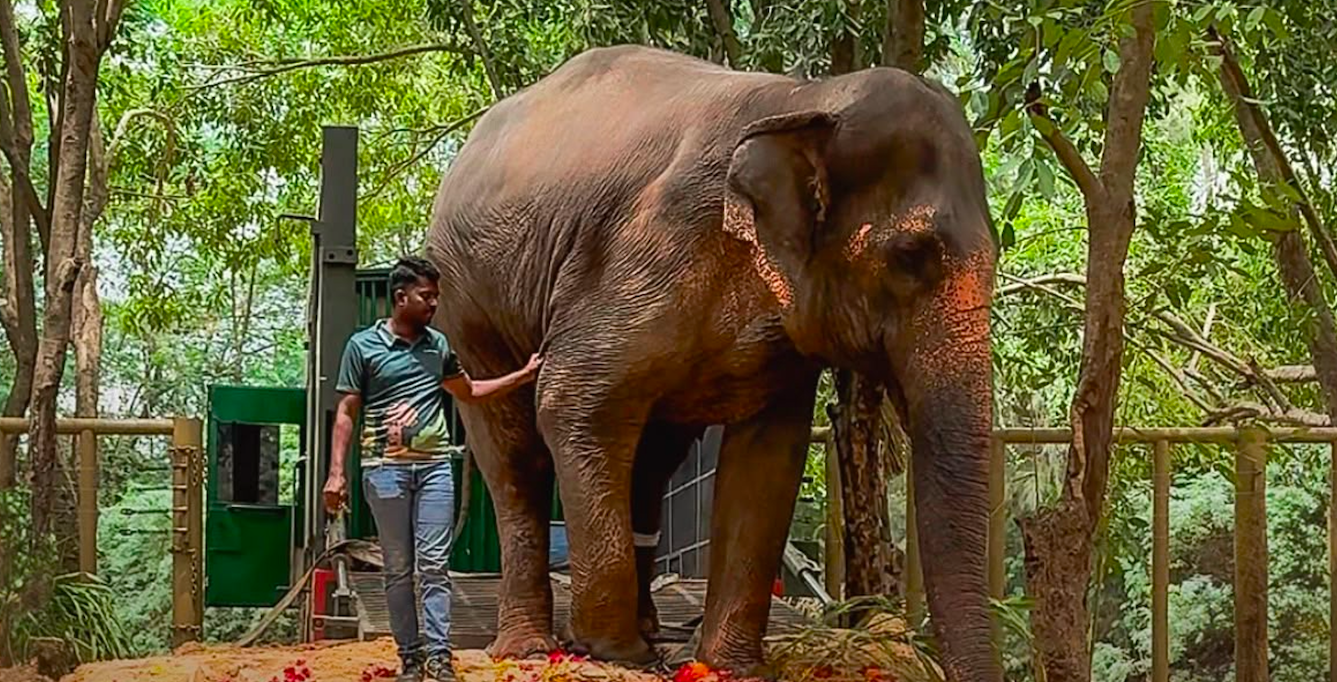
A 53-year-old elephant named Joymoti was rescued after floods carried her a long distance.
She was taken to Vantara because she needed special medical care.
Vantara has also helped train people who care for elephants.
In Colombia, it offered to take up to 80 hippos instead of the government’s proposed plan to cull them.

Vantara has worked with Indian forest departments and wildlife institutions on animal rescue, rehabilitation, veterinary care, training and conservation.
The Maharashtra Forest Department finalized an arrangement to move 50 leopards from Junnar’s Manikdoh Leopard Rescue Centre to Vantara in Jamnagar.
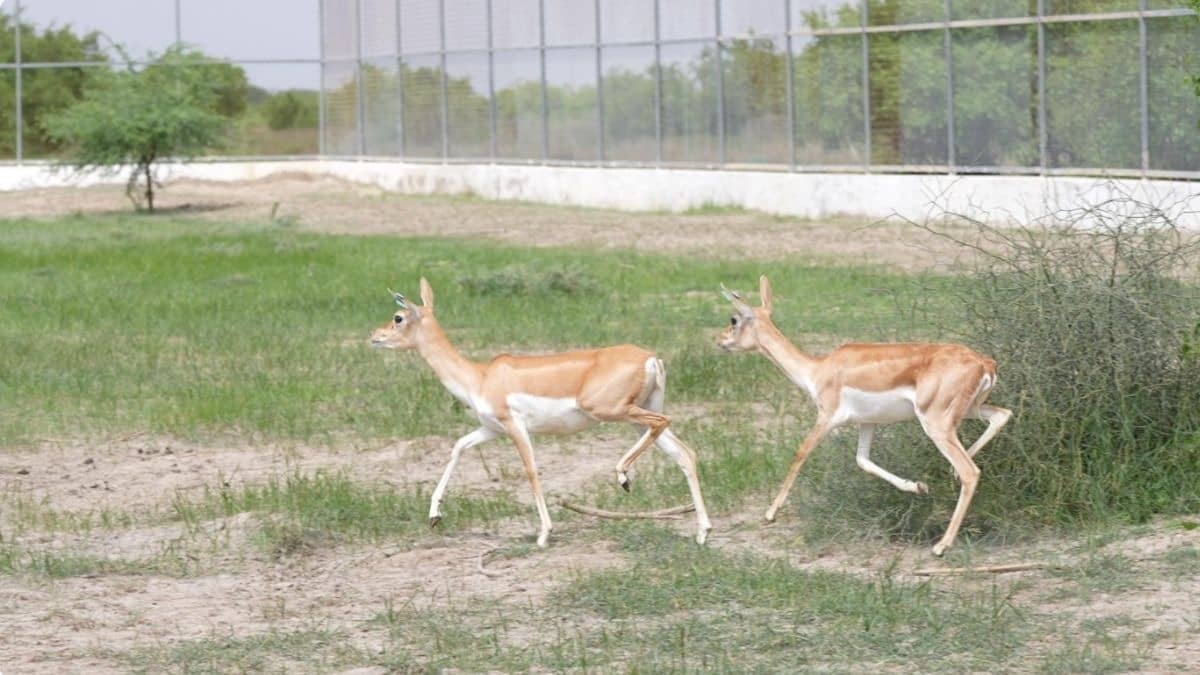
Vantara and the Gujarat Forest Department transferred spotted deer and released 20 blackbucks into the Banni Grasslands and other protected habitats.
Joymoti, a 53-year-old elephant swept about 55 kilometres by floods in Nagaland-Assam, was rescued and sent to Vantara for specialised treatment.
Vantara has also supported Project Elephant’s caregiver-training programme and proposed relocating up to 80 Colombian hippos instead of culling them.
- Who
- Vantara, Indian forest departments and wildlife institutions, Project Elephant, local communities and authorities, and the Government of Colombia.
- What
- The groups collaborated or proposed collaborations involving wildlife rescue, medical treatment, rehabilitation, rewilding, caregiver training and conservation support.
- Where
- The work involved Maharashtra, Gujarat’s Banni Grasslands and Barda Wildlife Sanctuary, Assam and Nagaland, Vantara in Jamnagar, and Colombia’s Magdalena River basin.
- When
- The examples include initiatives from July 2025 through August 2026; the Maharashtra arrangement was finalized in March 2026.
- Why
- The collaborations aim to provide urgent care, address human-wildlife concerns, improve animal welfare, return animals to protected habitats and respond to ecological concerns.
Relocation And Conservation Support
Culling And Management Concerns
Colombian hippo response
Relocation And Conservation Support
Vantara proposed moving up to 80 hippos to its Jamnagar facility as an alternative to culling.
Culling And Management Concerns
Colombian authorities had proposed culling the invasive hippo population because its growth and spread raised ecological concerns.
Wildlife management approach
Relocation And Conservation Support
Vantara’s collaborations emphasize rescue, specialised veterinary care, rehabilitation, rewilding and conservation support.
Culling And Management Concerns
Government authorities retain responsibility for habitat management and animal releases, while the article notes concerns requiring government intervention, including human-leopard interactions and invasive hippos.
Key facts
- Leopard relocation
- 50 leopards are to be moved from the Manikdoh Leopard Rescue Centre in Junnar, Maharashtra, to Vantara in Jamnagar.
- Gujarat deer releases
- 20 spotted deer were transferred to the Banni Grasslands in July 2025, and 33 were introduced into Barda Wildlife Sanctuary in August 2025.
- Blackbuck release
- 20 blackbucks—five males and 15 females—were released into the Banni Grasslands in August 2026.
- Joymoti’s rescue
- The 53-year-old elephant was swept approximately 55 kilometres by floods in Nagaland-Assam and sustained severe right-eye damage and an older leg injury.
- Elephant training
- Vantara and Project Elephant conducted a major training initiative for elephant caregivers.
- Colombian hippos
- Vantara proposed relocating up to 80 hippos from Colombia to Jamnagar as an alternative to proposed culling.
- Voluntary commitments
- Vantara submitted voluntary commitments to India’s CITES Management Authority and filed them before the Supreme Court, prioritising Indian wildlife and landscapes.
Sources
Related news
Four Rescued Elephants’ Journeys Toward Healing at Vantara

Indonesia and Vantara Expand Major Wildlife Health Partnership

India Expands Wildlife Healthcare Into Global Conservation

Flood-Rescued Elephant Joymoti Airlifted to Vantara for Treatment

Flood-Rescued Elephant Joymoti Airlifted to Vantara for Urgent Care
20 Blackbucks Rewilded in Banni Grassland to Restore Native Wildlife

Aviation Ministry Plans Automated Airport Building Clearance System
Tamil Nadu Freebies Raise Questions Over TVK Finances

Mumbai Metro Line 7A Viaduct Faces Possible Reconstruction

India Plans Next Airport Privatization Wave With Smaller Lots

Parandur Airport Scrapped as DMK Warns of Economic Damage
