

3 weeks ago
Parliamentary panel urges mining contractors' entry in uranium mining
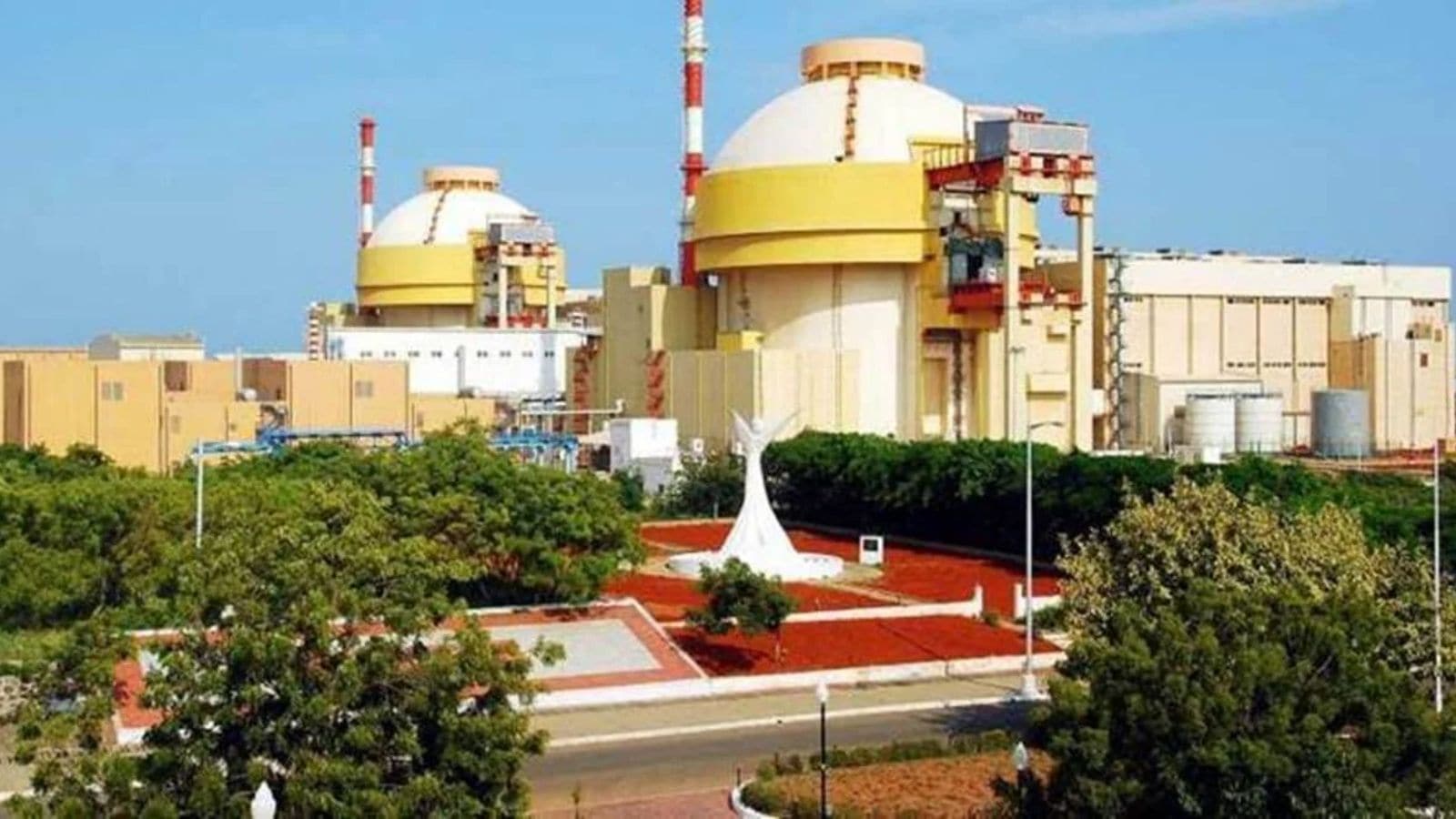
India makes electricity using nuclear power plants.
Some of these plants use a special fuel called uranium.
India digs some uranium out of the ground itself, but it is not digging up enough.
A group of government helpers, called a parliamentary committee, worried that India will run short of uranium for its future power plants.
They suggested allowing special mining companies, called contractors, to help dig the uranium.
These contractors would work under the watch of the Department of Atomic Energy.
The committee also wants India to buy uranium from other countries and keep a big store of it in reserve.
India plans to grow its nuclear power from 8.7 gigawatts today to 100 gigawatts by 2047.
The government company that mines uranium, called UCIL, plans to double how much it produces by 2036.
This will help make sure India has enough fuel for its nuclear power plants in the future.

A parliamentary committee recommended a policy roadmap for mine developer-cum-operator (MDO) participation in uranium mining under strict Department of Atomic Energy (DAE) oversight.
The panel warned domestic uranium production may be insufficient for future PHWR fuel needs, with UCIL estimated to meet only about 30% of the roughly 5,400 tonnes of U3O8 required annually for about 25 GWe.
India imports uranium from Kazakhstan, Russia, Uzbekistan and Canada, with the long-term supply contract with Uzbekistan valid until 2026.
The panel urged expediting the UCIL-NTPC joint venture to acquire stakes in overseas uranium assets and recommended establishing strategic uranium stockpiles.
DAE informed the panel that UCIL's uranium oxide production capacity is expected to double from 580 MT to 1,160 MT by 2036.
The panel recommended an MMDR Act amendment to allow a one-time extension of uranium mining leases by up to 10% of the existing lease area.
- Who
- A parliamentary panel on public undertakings, along with the Department of Atomic Energy (DAE), the Uranium Corporation of India Ltd (UCIL) and the Nuclear Power Corporation of India Limited (NPCIL)
- What
- The panel recommended a policy roadmap to allow mine developer-cum-operators (MDOs) into uranium mining under DAE oversight to boost domestic production and reduce import dependence
- Where
- India, including uranium mines and processing plants in Jharkhand and Andhra Pradesh and proposed new mining centres in Rajasthan, Chhattisgarh and Jharkhand
- When
- No specific date is given; the recommendation comes as India seeks to expand civil nuclear capacity from 8.7 GWe to 100 GWe by 2047
- Why
- To ensure domestic uranium production meets the future fuel requirements of indigenous pressurised heavy water reactors (PHWRs) and reduce reliance on imports
Diversify and import
Accelerate domestic production
Meeting uranium demand
Diversify and import
Continued reliance on imports is expected unless domestic production is accelerated and supply sources are diversified, including securing long-term uranium supplies from Uzbekistan beyond 2026.
Accelerate domestic production
The panel recommends boosting domestic output by expanding brownfield capacity at Turamdih, Jaduguda and Tummalapalle, accelerating new mining centres, and upgrading technology to offset low ore grades.
Overseas assets
Diversify and import
Expediting the proposed UCIL-NTPC joint venture to acquire stakes in overseas uranium assets would diversify supplies and reduce exposure to supply disruptions and market risks.
Accelerate domestic production
Establishing strategic uranium stockpiles calibrated to refueling cycles and outage risks is considered essential to sustaining reactor operations during supply disruptions.
Key facts
- Current nuclear capacity
- 8.7 gigawatt-electric (GWe)
- 2047 nuclear capacity target
- 100 GWe
- Annual PHWR uranium requirement
- Approximately 5,400 tonnes of U3O8 for about 25 GWe
- UCIL share of PHWR fuel need
- About 30% (UCIL estimate)
- UCIL uranium oxide capacity
- 580 MT currently; expected to double to 1,160 MT by 2036
- Uranium import sources
- Kazakhstan, Russia, Uzbekistan and Canada
- Uzbekistan supply contract valid until
- 2026
- In-situ uranium oxide resources (AMD)
- About 4,31,000 tonnes established; 80,423 tonnes transferred to UCIL, of which 60.78% currently available
Quotes
Parliamentary committee
Government panel reviewing uranium mining policy
“The Committee believes that establishing strategic uranium stockpiles, calibrated to refueling cycles and outage risks, is essential to sustaining reactor operations during supply disruptions.”
 indianexpress.com
Sources
Related news

Panel urges policy roadmap for contractor-run uranium mining in India

India Secures Uranium From Uzbekistan, Australia Amid Nuclear Expansion

India’s Power Sector Faces Rising Demand and Nuclear Constraints
India's Private Nuclear Entrants Favor Indigenous Heavy Water Reactors

India, Uzbekistan Advance Uranium Supply and UPI Cooperation

India's R&D Ecosystem Faces Hurdles On Path To Knowledge Economy
NPCIL Plans Design Unit as Private Nuclear Entry Expands

SHANTI Rules Seek to Boost India’s Nuclear Investment
India Inc Flags Tariff, Technology Concerns in Nuclear Rules
Indian Nuclear Expansion Puts Specialized Pump Stocks In Focus
