3 weeks ago
Panel urges policy roadmap for contractor-run uranium mining in India

Uranium is a special material that helps make electricity in nuclear power plants.
Some types of uranium can start a chain reaction that creates a lot of heat and energy.
India wants to build more nuclear power plants, but it needs enough uranium to fuel them.
Right now, India does not dig up enough uranium from its own ground, so it buys it from other countries like Kazakhstan, Russia, Uzbekistan and Canada.
A group of Indian lawmakers called a parliamentary committee says India should allow more companies to help dig for uranium.
They want the government to make a clear plan for this.
India also plans to eventually use another material called thorium, which it has a lot of along its beaches.
That way, in the future, India can make its own nuclear fuel and not depend on other countries.
Nuclear power can help India make cleaner energy, but it must be done safely and with careful oversight.

A parliamentary committee has recommended that the Centre frame a policy roadmap to enable mine developer-cum-operator (MDO) participation in uranium mining under Department of Atomic Energy (DAE) oversight.
The panel flagged that India's domestic uranium production may be insufficient to meet future fuel requirements of its indigenous pressurised heavy water reactors (PHWRs).
India currently imports uranium from Kazakhstan, Russia, Uzbekistan and Canada, with the long-term supply contract with Uzbekistan valid until 2026.
The committee urged expediting the Uranium Corporation of India Ltd (UCIL)-NTPC joint venture to acquire stakes in overseas uranium assets.
India's three-stage nuclear roadmap moves from uranium-fuelled PHWRs to plutonium-based fast breeder reactors, and finally to thorium-based advanced heavy water reactors.
- Who
- A parliamentary committee (Parliamentary Panel), India's central government, the Department of Atomic Energy, Uranium Corporation of India Ltd and NTPC.
- What
- Recommended a policy roadmap for mine developer-cum-operator participation in uranium mining and accelerated domestic production to secure future fuel supplies.
- Where
- India — including existing mines at Turamdih, Jaduguda and Tummalapalle, and planned new mining centres in Rajasthan and Andhra Pradesh.
- When
- Exact date not specified; the article notes the long-term Uzbekistan supply contract is valid until 2026 and India aims to reach 100 GWe by 2047.
- Why
- Because India's domestic uranium output may not be enough to meet future fuel requirements of its PHWRs, and India aims to expand civil nuclear capacity from 8.7 GWe to 100 GWe by 2047.
Expanding domestic uranium mining
Maintaining state control and oversight
MDO participation in uranium mining
Expanding domestic uranium mining
The parliamentary panel recommends a policy roadmap to bring in mine developer-cum-operators to boost domestic uranium output and reduce reliance on imports.
Maintaining state control and oversight
Any MDO participation should remain under strict oversight of the Department of Atomic Energy, and high extraction costs have historically forced India to depend on imports.
Nuclear energy's dual-use risk
Expanding domestic uranium mining
Uranium and thorium offer low-carbon, reliable baseload power that is critical for climate and energy security goals as India expands capacity to 100 GWe by 2047.
Maintaining state control and oversight
Enrichment technology and nuclear materials have dual civilian and weapons use, highlighted by the Iran crisis and broader proliferation dangers.
Key facts
- India's uranium reserves
- 4,25,570 tonnes; high extraction costs force heavy imports
- India's thorium reserves
- Around 8.5 lakh tonnes, 25-30% of world reserves (largest share globally)
- World uranium reserves
- 5,925,700 tonnes; Australia largest at 1,671,200 tonnes (28%)
- Top uranium producers (2024)
- Kazakhstan 39%, Canada 24%, Namibia 12%
- India's uranium suppliers
- Kazakhstan, Russia, Uzbekistan, Canada (Uzbekistan deal valid to 2026)
- Nuclear capacity target
- Expand from 8.7 GWe to 100 GWe by 2047
- Key recommendation
- Policy roadmap for MDO participation under DAE oversight
Sources
Related news
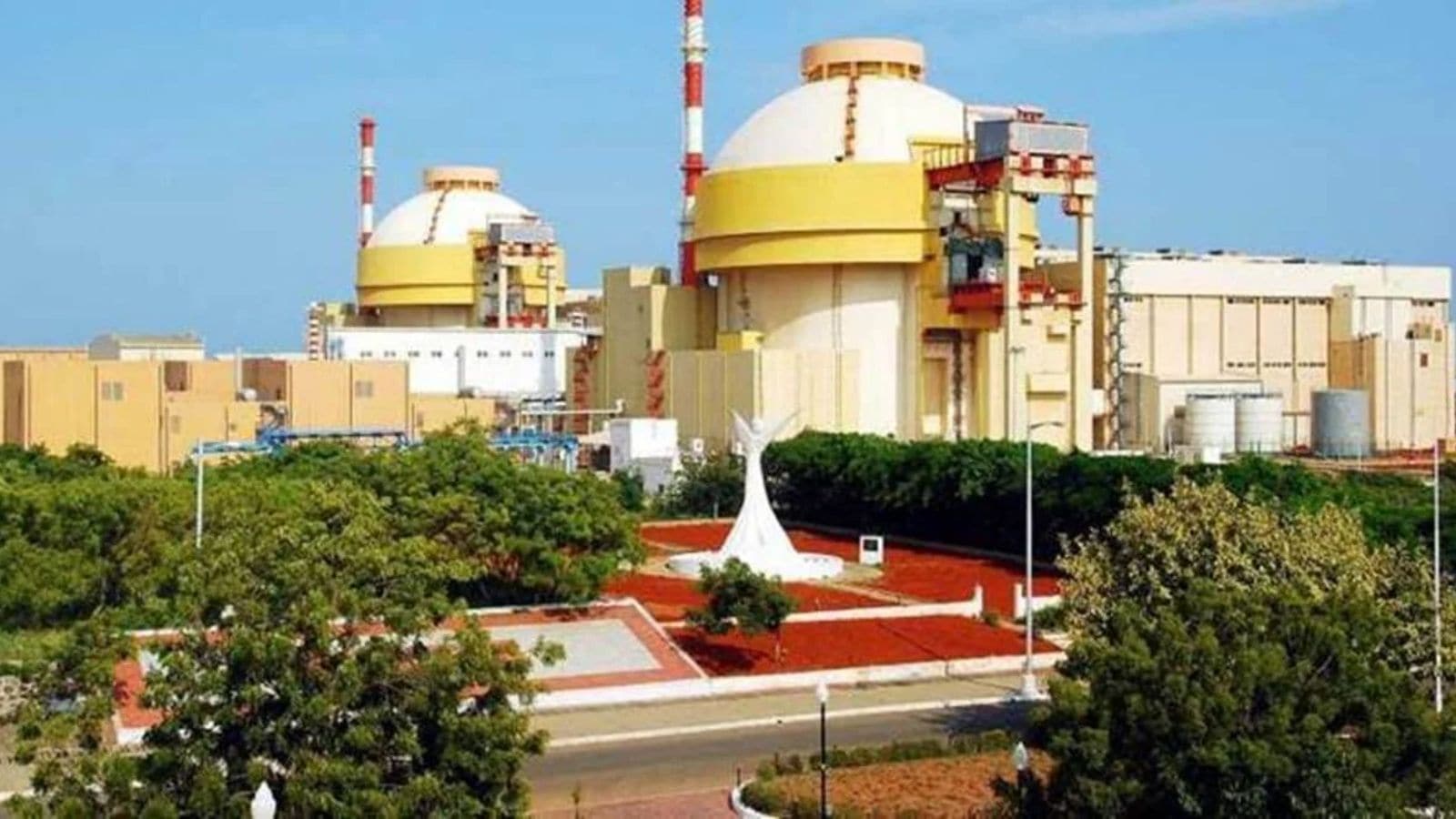
Parliamentary panel urges mining contractors' entry in uranium mining

India Secures Uranium From Uzbekistan, Australia Amid Nuclear Expansion

India, Uzbekistan Advance Uranium Supply and UPI Cooperation
India's Private Nuclear Entrants Favor Indigenous Heavy Water Reactors

India Opens Its Nuclear Power Sector to Private Participation

India Replaces Sri Lanka as 2027 Women’s Champions Trophy Host

Mitsubishi Revives Pajero With 201PS Fifth-Generation SUV

IIM-Born CEO Says Australia’s Everyday Life Runs on Trust

UN Report Says 1.5°C Overshoot, Return Remains Possible

Uday Kotak Warns Global Bond Markets Face Roller-Coaster Volatility