

2 hrs ago
China-US G20 Dispute Hinged on “Non-Market” Language

Officials from China and the United States met with other finance leaders at a G20 meeting.
They could not agree on one shared statement.
The biggest disagreement was over the words “non-market policies.”
The United States uses those words to describe government actions that may give domestic companies an advantage.
China believed the phrase was an indirect criticism of its state-owned companies.
The US said China’s policies contribute to large trade imbalances.
China said countries should look at the issue fairly and avoid double standards.
The disagreement shows that trade tensions remain high before a planned meeting between Xi Jinping and Donald Trump.

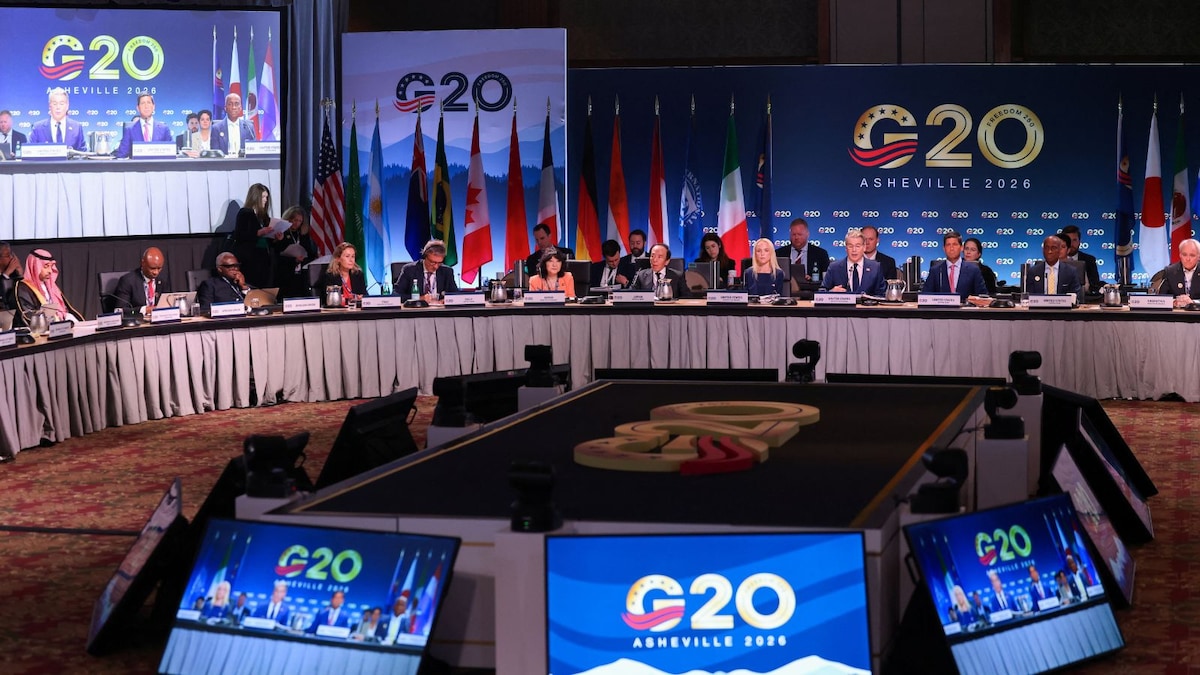
US and Chinese officials failed to agree on a G20 finance chiefs’ joint communique in Asheville, North Carolina.
The main dispute centered on the phrase “non-market,” which China viewed as criticism of its state-owned companies.
The US chair statement urged countries to eliminate non-market policies and practices that worsen trade imbalances.
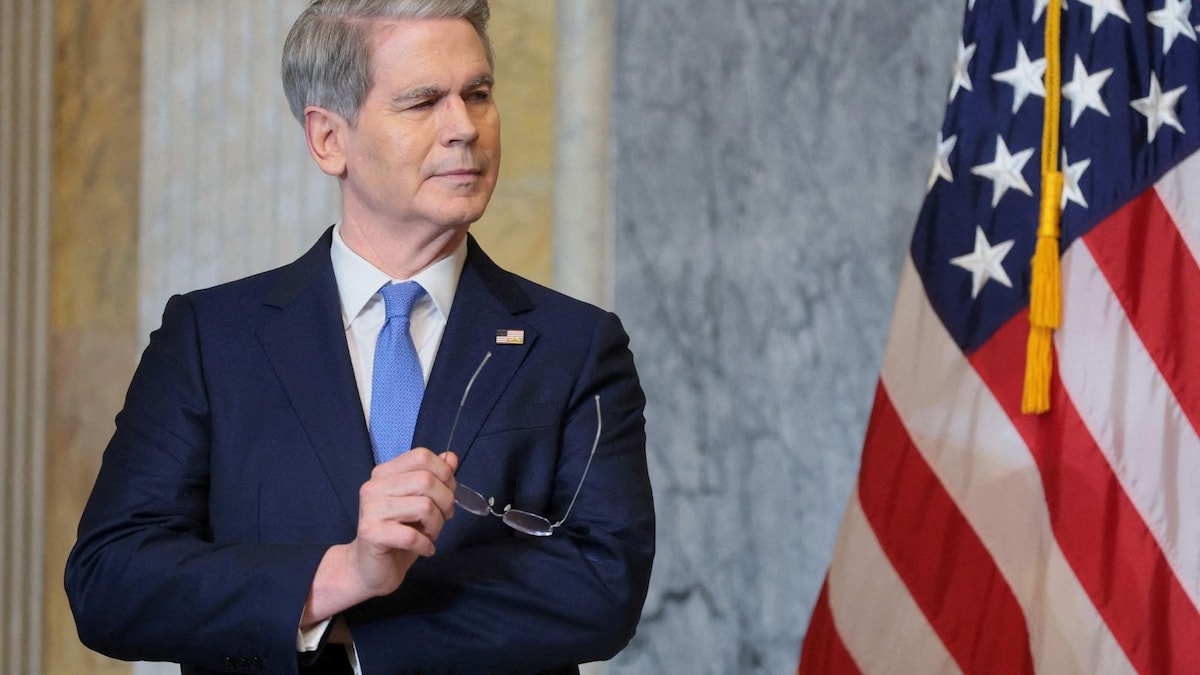
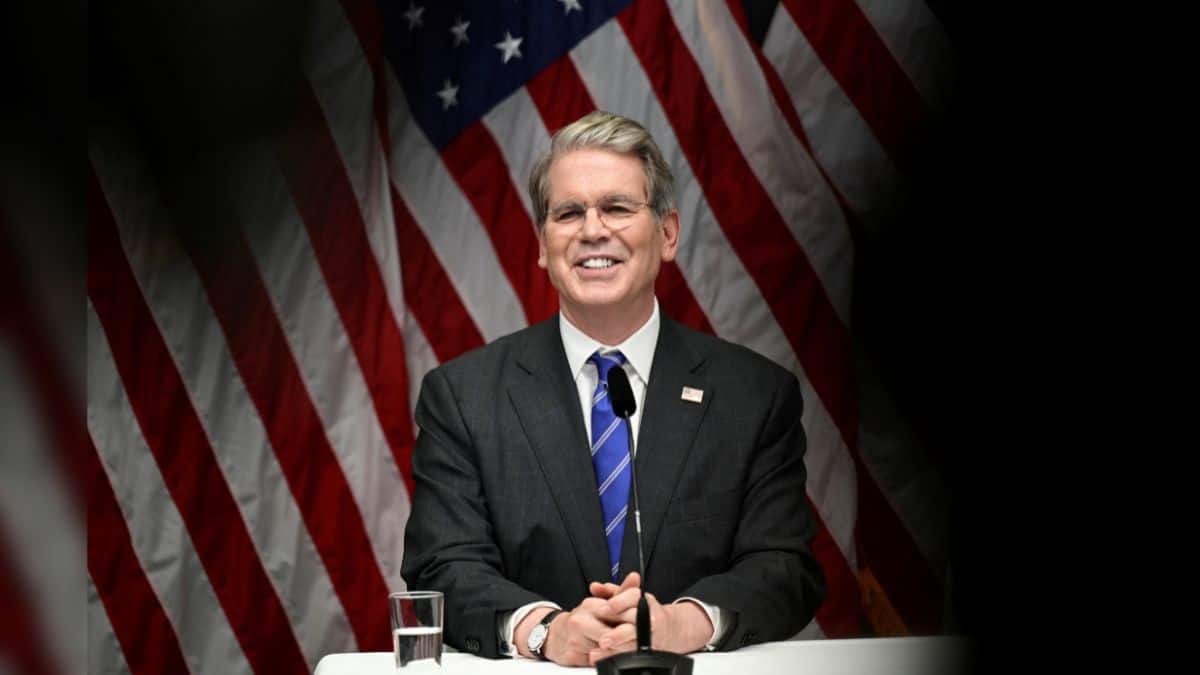
US Treasury Secretary Scott Bessent criticized China’s export-driven growth and alleged industrial subsidies.
China rejected claims of unfair state support and called for a balanced approach to global trade imbalances and debt.
- Who
- Chinese and US finance officials, including Scott Bessent, Pan Gongsheng and Liao Min, participated in the dispute.
- What
- The officials failed to reach consensus on a G20 finance chiefs’ joint communique, largely because of wording about “non-market” policies and trade imbalances.
- Where
- The meeting took place in Asheville, North Carolina.
- When
- The disagreement occurred during a two-day G20 finance chiefs’ meeting this week; Bessent discussed it publicly on Tuesday and Wednesday.
- Why
- Chinese officials objected to language they viewed as a veiled criticism of China’s state-owned companies and economic policies.
US Position
Chinese Position
Non-market language
US Position
The United States supported language calling for countries to eliminate non-market policies and practices that distort trade and worsen imbalances.
Chinese Position
China viewed the phrase as a veiled attack on its state-owned companies and proposed wording that addressed trade imbalances without highlighting them.
Trade imbalances
US Position
Scott Bessent argued that China suppresses domestic demand, relies on exports and uses industrial subsidies to support companies.
Chinese Position
China said global imbalances should be assessed comprehensively, objectively and fairly, while surplus countries increase consumption and investment and deficit countries address fiscal shortfalls.
State support and competition
US Position
The US cited Chinese industrial subsidies and identified BYD as a beneficiary.
Chinese Position
China rejected accusations of unfair state support, called the criticism a double standard and pointed to subsidies provided by the United States and European Union.
Key facts
- Meeting
- G20 finance chiefs’ meeting
- Location
- Asheville, North Carolina
- Main wording dispute
- The phrase “non-market” in a sentence about trade imbalances
- US chair statement
- Called for eliminating non-market policies and practices that exacerbate imbalances
- China’s 2025 trade surplus
- $1.2 trillion, according to the article
- US trade deficit with China
- Roughly $200 billion last year, according to Bureau of Economic Analysis data
- Chinese delegation
- Led by Pan Gongsheng and Vice Finance Minister Liao Min
Quotes

Scott Bessent
US Treasury secretary who criticized China’s objections to the G20 communique
“It is the best $70,000 car that $35,000 can buy — it is heavily subsidized.”
 livemint.com
“It’s unfortunate the Chinese didn’t want to come along”
livemint.com

Pan Gongsheng
Governor of the People’s Bank of China and leader of China’s G20 delegation
“All countries should formulate medium‑ and long‑term policy plans, make clear commitments and implement them resolutely”
livemint.com
Sources
Related news
China Blocks G20 Consensus Over Trade Imbalance Proposals
G20 Finance Chiefs Back Action on Trade Distortions, Except China
Bessent Presses G20 on China Trade and Iran Sanctions

RBI Governor Meets US Fed Chief Kevin Warsh at G20
Bessent Urges G20 to Consider More Trade Barriers on China

US and China Hold Quiet Talks Over Iran Conflict

Trump $1 Coin Sparks Debate Over Presidential Portrait Law

Oil Hits Five-Week High as Hormuz Supply Fears Return
Rubio Warns Nations Helping Iran Evade Sanctions After Summit

Singapore Dollar Gains as Dollar Debasement Trade Accelerates
