

1 hr ago
IIT Researchers Warn of Himachal Pradesh Glacial Lake Floods

Researchers studied frozen mountain lakes in Himachal Pradesh using satellite images.
They found that many lakes have become larger and more numerous.
Nine lakes were described as especially worrying because their natural walls could fail.
If a wall breaks, a huge amount of water and debris could rush into valleys.
Landslides and earthquakes could trigger such a flood.
Warmer temperatures are helping glaciers melt and fill the lakes.
The researchers want better monitoring and warning systems.
The state government has asked for money to install some of these systems.

IIT Mandi researchers identified nine rapidly expanding glacial lakes in Himachal Pradesh as potential flood threats.
The study mapped 2,076 glacial lakes above 3,500 metres in 2025, about 710 more than in 2015.
The lakes’ combined area grew 28.45% over the past decade, with Gepang Gath recording the largest reported expansion.
A glacial lake outburst triggered by landslides, earthquakes or other disturbances could threaten bridges, settlements and public institutions downstream.
The state government has sought Rs 105 crore for warning systems and mitigation at four major lakes, while national agencies plan further assessments.
- Who
- Researchers from the Indian Institute of Technology Mandi, led by Prof Dericks P Shukla, and Himachal Pradesh and national government agencies.
- What
- A study warned that nine expanding glacial lakes could trigger destructive glacial lake outburst floods.
- Where
- High-altitude areas of Himachal Pradesh, particularly Chamba and Lahaul-Spiti, with additional changes reported in Kinnaur and Kangra.
- When
- The findings were published on September 5, 2026; the lake inventory analyzed conditions in 2025 and compared them with 2015.
- Why
- Rising temperatures and glacier melt are expanding the lakes, while landslides, earthquakes and other disturbances could cause their natural barriers to fail.
Research Warning
Government Response
Urgency of the threat
Research Warning
IIT Mandi researchers describe nine rapidly expanding lakes as potential “water bombs” and call for urgent field monitoring, early warnings and stronger intervention.
Government Response
The Himachal Pradesh government has requested Rs 105 crore for early warning systems and mitigation at four major glacial lakes.
Scope of monitoring
Research Warning
Researchers emphasize that satellite analysis shows rapidly changing lakes and that field-based monitoring is urgently needed.
Government Response
The Central Water Commission plans flow-path and downstream risk assessments for 681 lakes, while the National Disaster Management Authority is developing an integrated risk-categorisation framework.
Key facts
- Lakes identified as especially vulnerable
- Kalikund, Chandratal, Vasuki, Surai, Kya Tso, Yoche, Samudra Tapu, Kasang and Gepang Gath
- Glacial lakes mapped in 2025
- 2,076 lakes above 3,500 metres in Himachal Pradesh
- Increase since 2015
- About 710 additional lakes
- Cumulative area growth
- 28.45% over the past decade
- Largest reported expansion
- Gepang Gath grew by around 244,000 square metres
- Potentially affected infrastructure
- More than 15 bridges, inhabited areas, educational institutions and healthcare institutions
- Requested mitigation funding
- Rs 105 crore sought by the Himachal Pradesh government
- Planned national assessment
- The Central Water Commission will analyze flow paths and downstream risks for 681 Himalayan glacial lakes
Sources
Related news
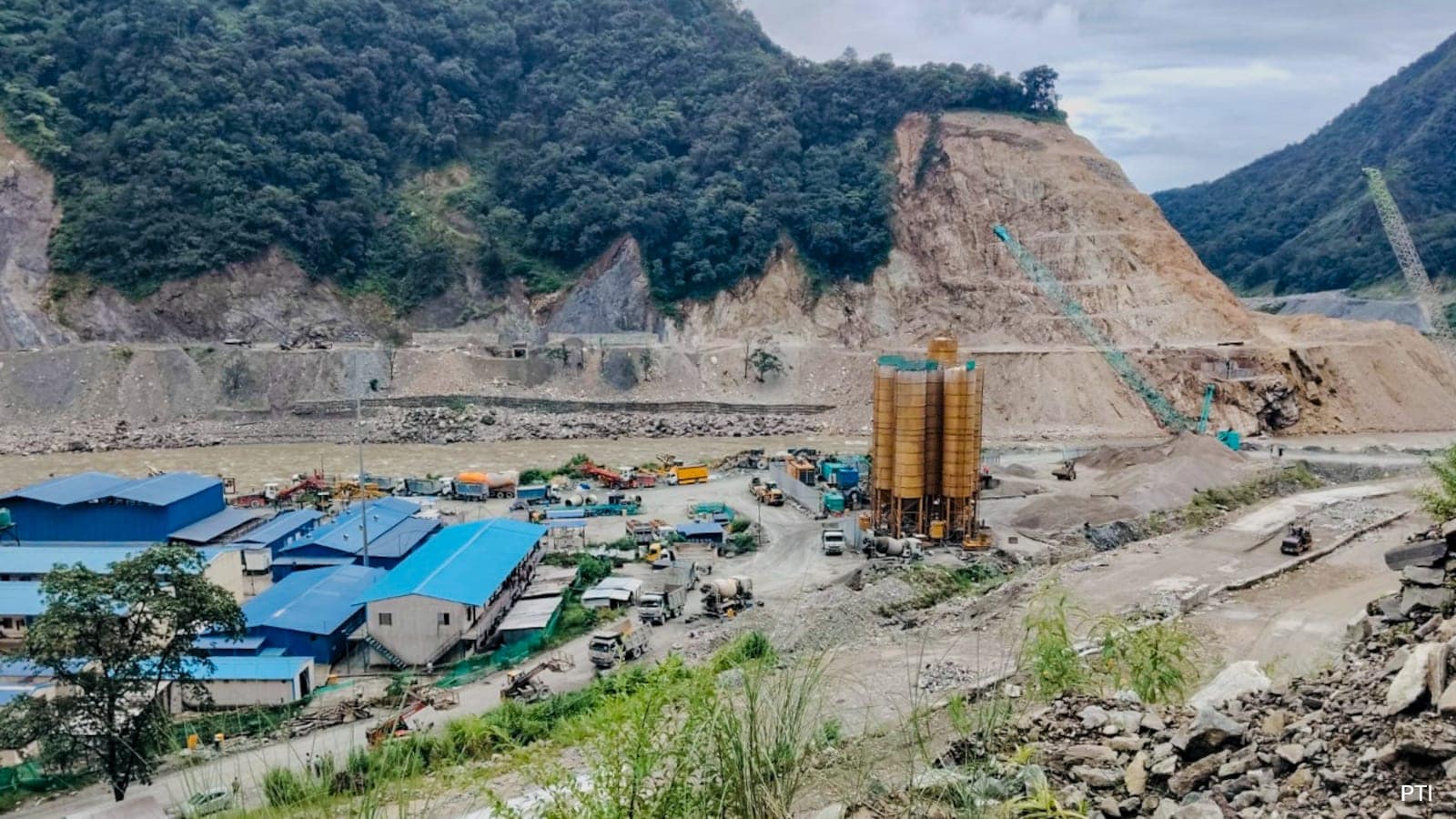
Study Finds Expanding Arunachal Lakes Raise High GLOF Risk
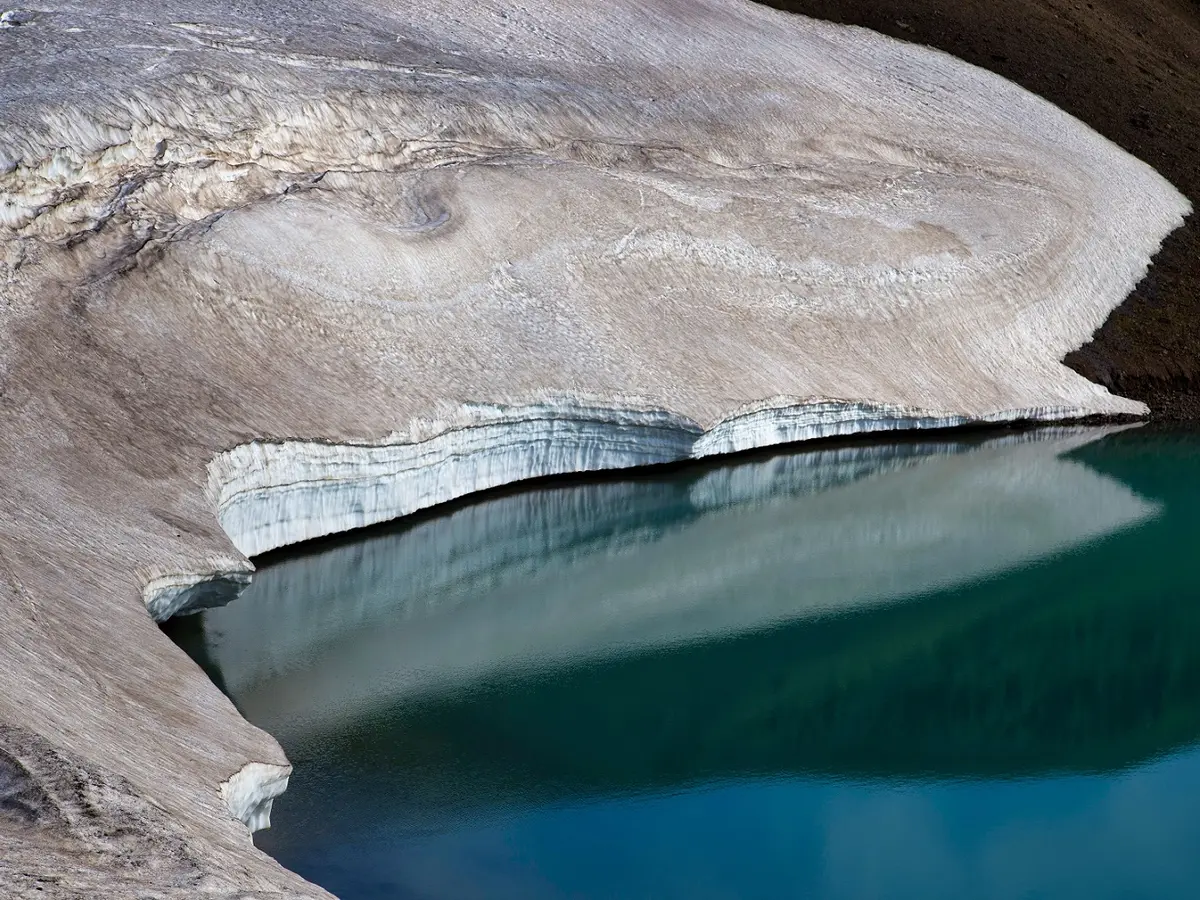
Himachal Pradesh Identifies 67 Vulnerable Glacial Lakes, Plans Warnings

Himalayan glacial lakes face urgent risk as melting accelerates

Nepal Floods Spur Calls for Glacier Assessments and Land-Use Reform
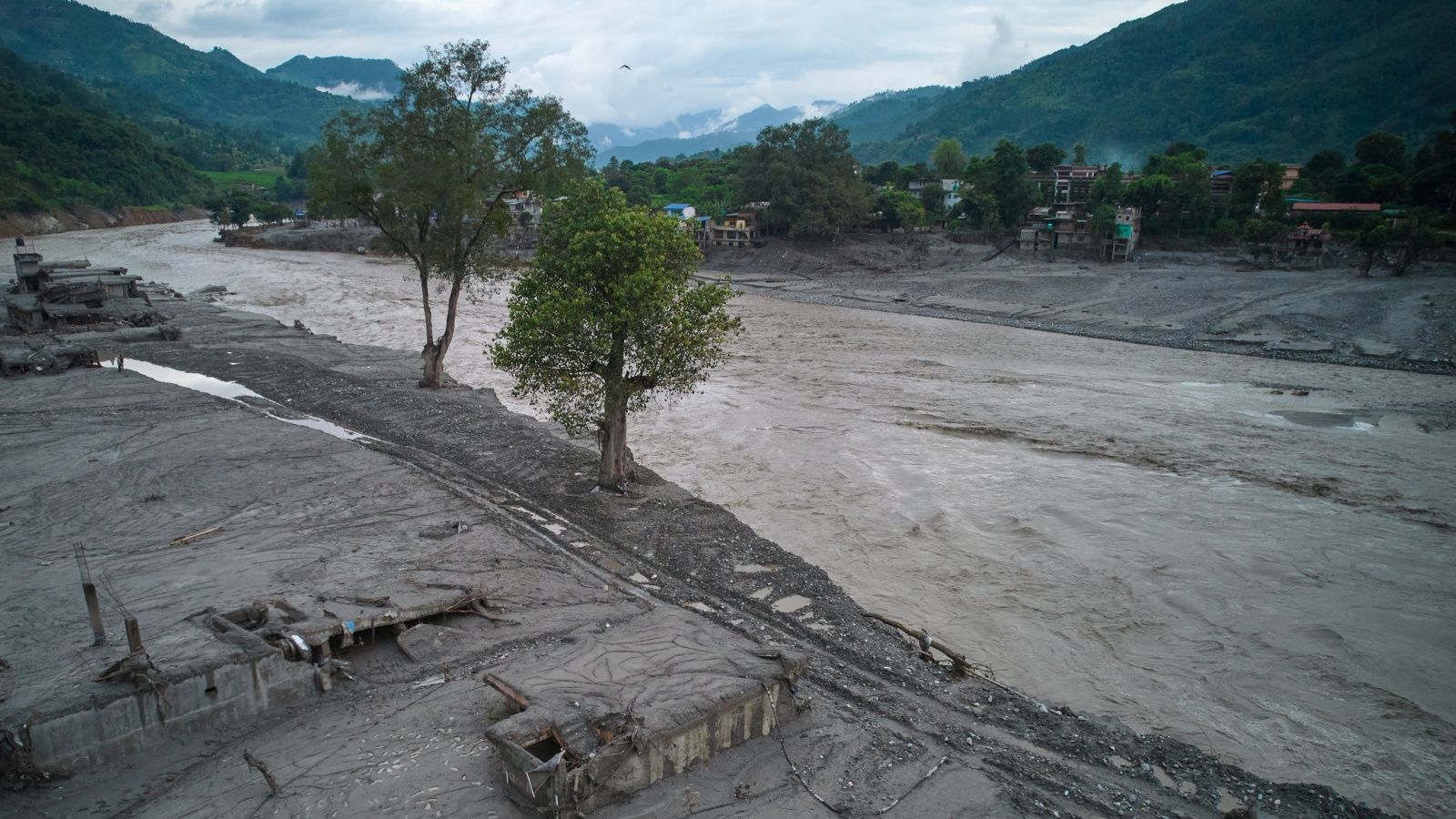
Sikkim Identifies 40 High-Hazard Glacial Lakes, 16 Highest-Risk

Nepal’s Glacial Lakes Raise Alarms Along Vulnerable River Corridors

Survivors Rescued After Nepal Floods Ravage Hydropower Projects
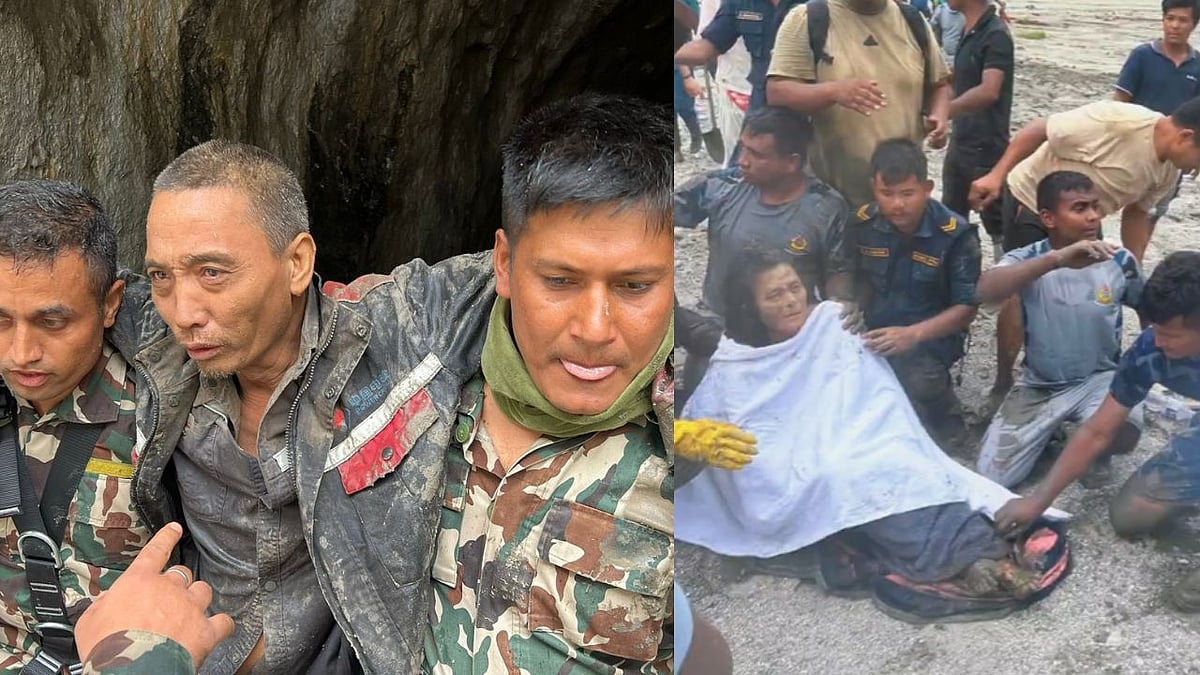
Nepal Flood Rescues Bring Hope After Devastating August Floods
Woman Rescued Alive After 10 Days Beneath Nepal Flood Debris

Chinese National and Woman Rescued After Nepal Floods