6 days ago
Nepal’s Glacial Lakes Raise Alarms Along Vulnerable River Corridors

Nepal has many high-mountain lakes held back by natural walls of rock and soil.
Scientists have identified 47 of these lakes as potentially dangerous.
If one of the natural walls breaks, a large flood could rush down a river valley.
Some of the lakes are in Nepal, while others are across the border in Tibet and one is in India.
Four lakes in Nepal have been chosen for urgent safety work.
A recent flood in the Bhote Koshi area showed how quickly mountain disasters can affect people far downstream.
Experts believe that flood was probably caused by an avalanche, not a confirmed lake breakout.
Better monitoring, warnings and cooperation between countries could help communities prepare.

An ICIMOD–UNDP inventory identifies 47 potentially dangerous glacial lakes across Nepal, China’s Tibet Autonomous Region and India.
Twenty-one lakes are in Nepal, 25 are in Tibet, and one is in India; 42 lie in the Koshi basin.
Nepal authorities and UNDP have prioritised Thulagi, Lower Barun, Lumding Tsho and Hongu 2 for urgent risk-reduction work.
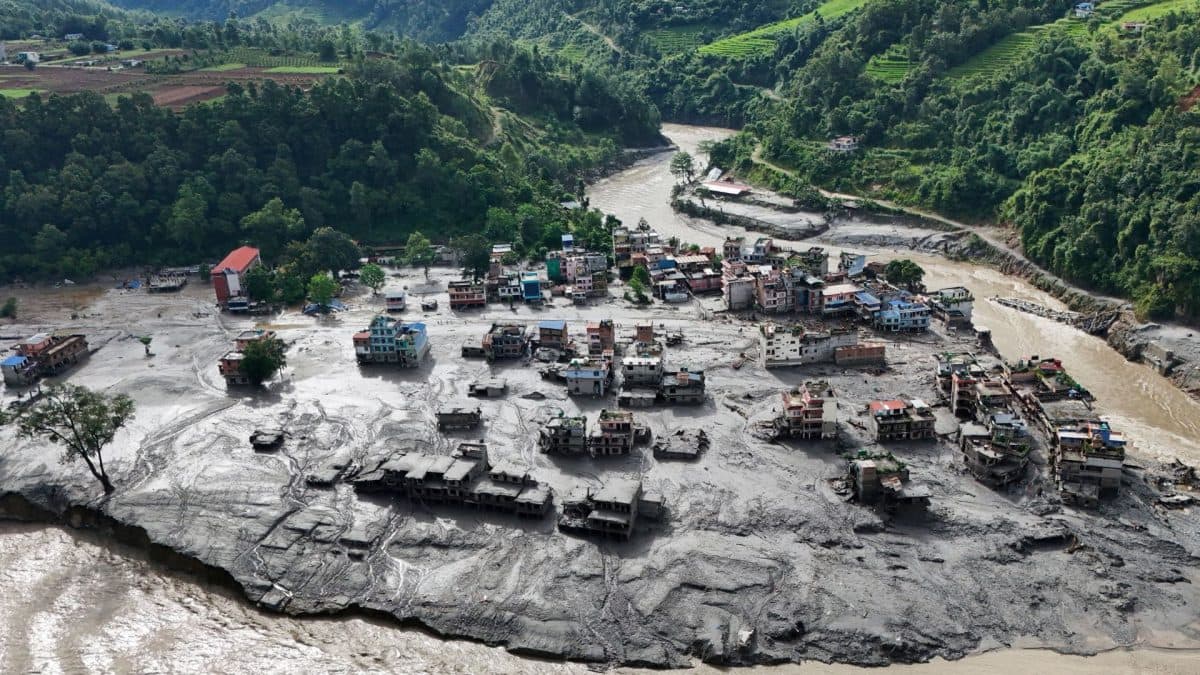
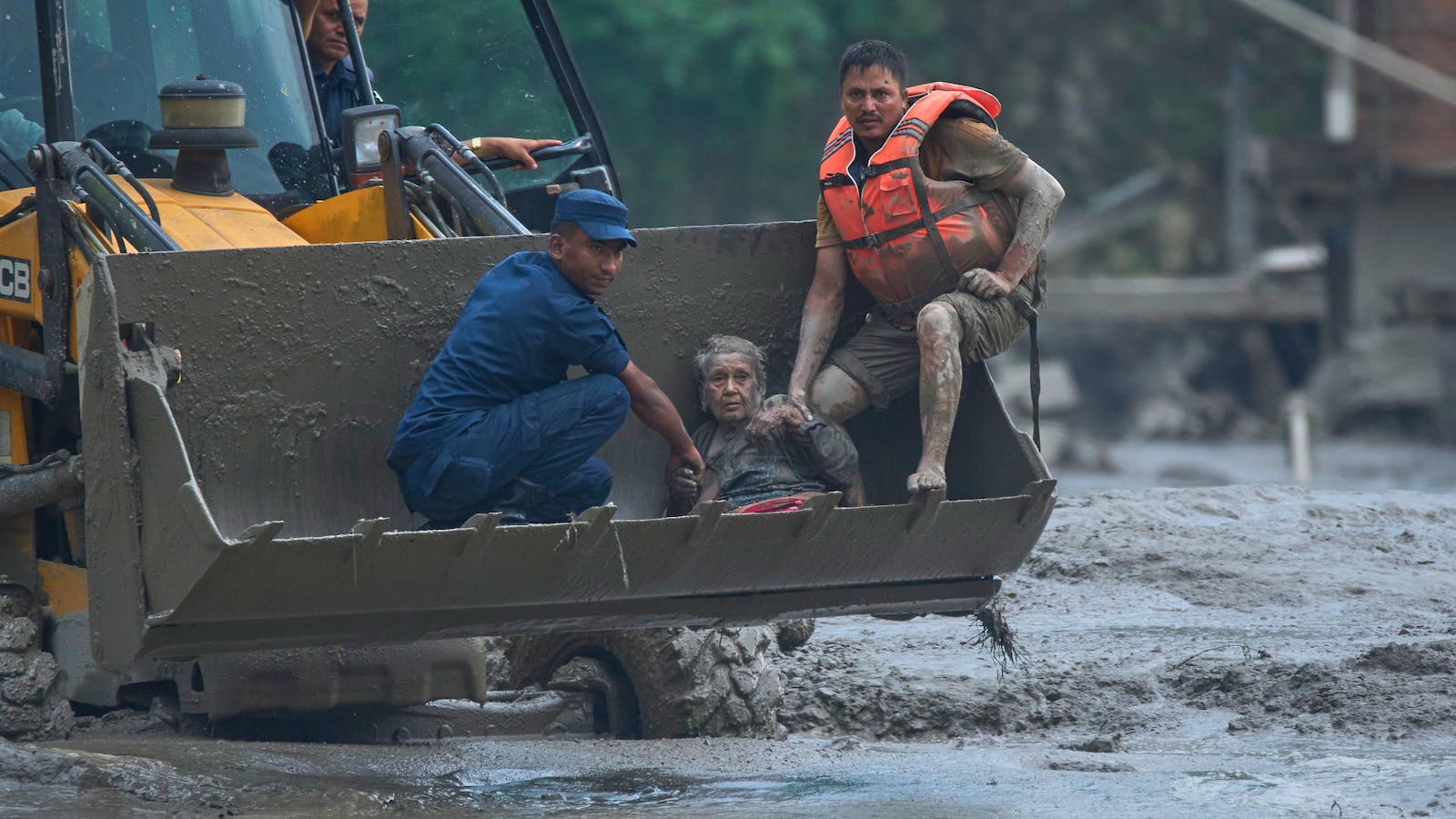
A recent Bhote Koshi flood killed at least 157 people and damaged bridges, roads, hydropower facilities and other infrastructure.
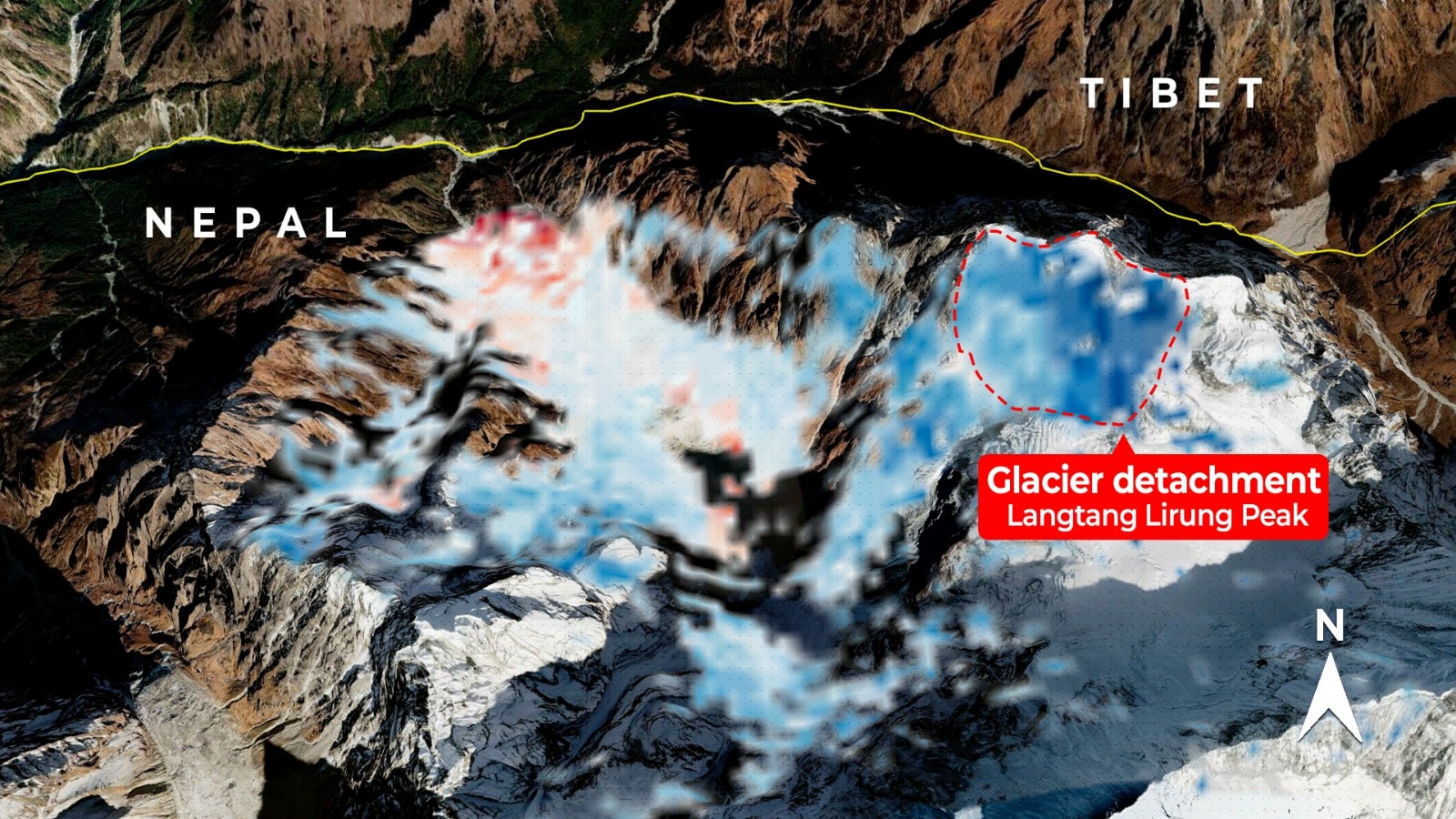
Initial assessments point to an ice-and-rock avalanche, not a confirmed glacial lake outburst, as the flood’s likely trigger.
- Who
- Nepalese communities, government authorities, ICIMOD, UNDP and people living along downstream river corridors are involved or at risk.
- What
- Authorities and experts have identified 47 potentially dangerous glacial lakes, while a separate Bhote Koshi flood caused major loss of life and damage.
- Where
- The lakes are across Nepal, China’s Tibet Autonomous Region and India, with risks extending through the Koshi, Gandaki and Karnali basins in Nepal.
- When
- The latest flood struck on Wednesday morning; the articles do not specify when the 47-lake inventory was completed.
- Why
- Natural lake dams, active glaciers, steep terrain and cross-border headwaters could produce sudden floods with little warning.
Confirmed Glacial-Lake Threat
Broader Himalayan Hazard
Cause of the Recent Flood
Confirmed Glacial-Lake Threat
The inventory shows that glacial lakes could threaten Nepal’s downstream communities and infrastructure, making lake-related hazards a serious concern.
Broader Himalayan Hazard
Initial assessments cited by ICIMOD indicate that the recent Bhote Koshi flood was probably caused by an ice-and-rock avalanche, not a confirmed glacial lake outburst.
Risk-Reduction Priority
Confirmed Glacial-Lake Threat
Authorities and UNDP support lowering water levels, monitoring priority lakes and expanding early-warning systems.
Broader Himalayan Hazard
The flood demonstrates that avalanche-related blockages and other mountain hazards can create similar surges, so preparation must address more than glacial lakes.
Cross-Border Preparedness
Confirmed Glacial-Lake Threat
Lakes outside Nepal can still threaten Nepali settlements because rivers flow south from the Tibetan plateau into Nepal.
Broader Himalayan Hazard
Because 26 identified lakes are outside Nepal, effective monitoring and warning systems require cross-border information sharing and cooperation.
Key facts
- Potentially dangerous lakes
- 47 lakes were identified across the Koshi, Gandaki and Karnali basins.
- Lake locations
- 21 are in Nepal, 25 are in China’s Tibet Autonomous Region, and one is in India.
- Basin distribution
- The Koshi basin contains 42 lakes, the Gandaki basin three, and the Karnali basin two.
- Priority lakes
- Thulagi, Lower Barun, Lumding Tsho and Hongu 2 have been prioritised for urgent risk-reduction work.
- Previous safety work
- Nepal has previously carried out risk-reduction work at Tsho Rolpa and Imja Tsho.
- Recent flood toll
- At least 157 people were killed in the Bhote Koshi flood, while hundreds remained missing.
- Flood damage
- At least 19 bridges and stretches of road were swept away, along with hydropower and other facilities.
Sources

Related news
Nepal Flood Highlights Sikkim’s Hanging Glacier Threat and Preparedness
China Warns Nepal Barrier Lake Could Breach Within 72 Hours
China Warns New Barrier Lake Could Trigger Another Nepal Flood
Why Nepal Remains Vulnerable to Glacial Floods and Earthquakes

Nepal Flood Death Toll Tops 1,200 as Climate Risks Rise
Bihar on Alert as Rivers Swell, Sone Barrage Gates Open
Satellite Radar May Strengthen Nepal's Flood Warning Systems
Nepal Plans New Landslide Warning System Along China Border

Nepal Thanks India as Glacial Disaster Rescue Efforts Continue