

3 weeks ago
Antibiotics may temporarily affect blood sugar, glucose metabolism
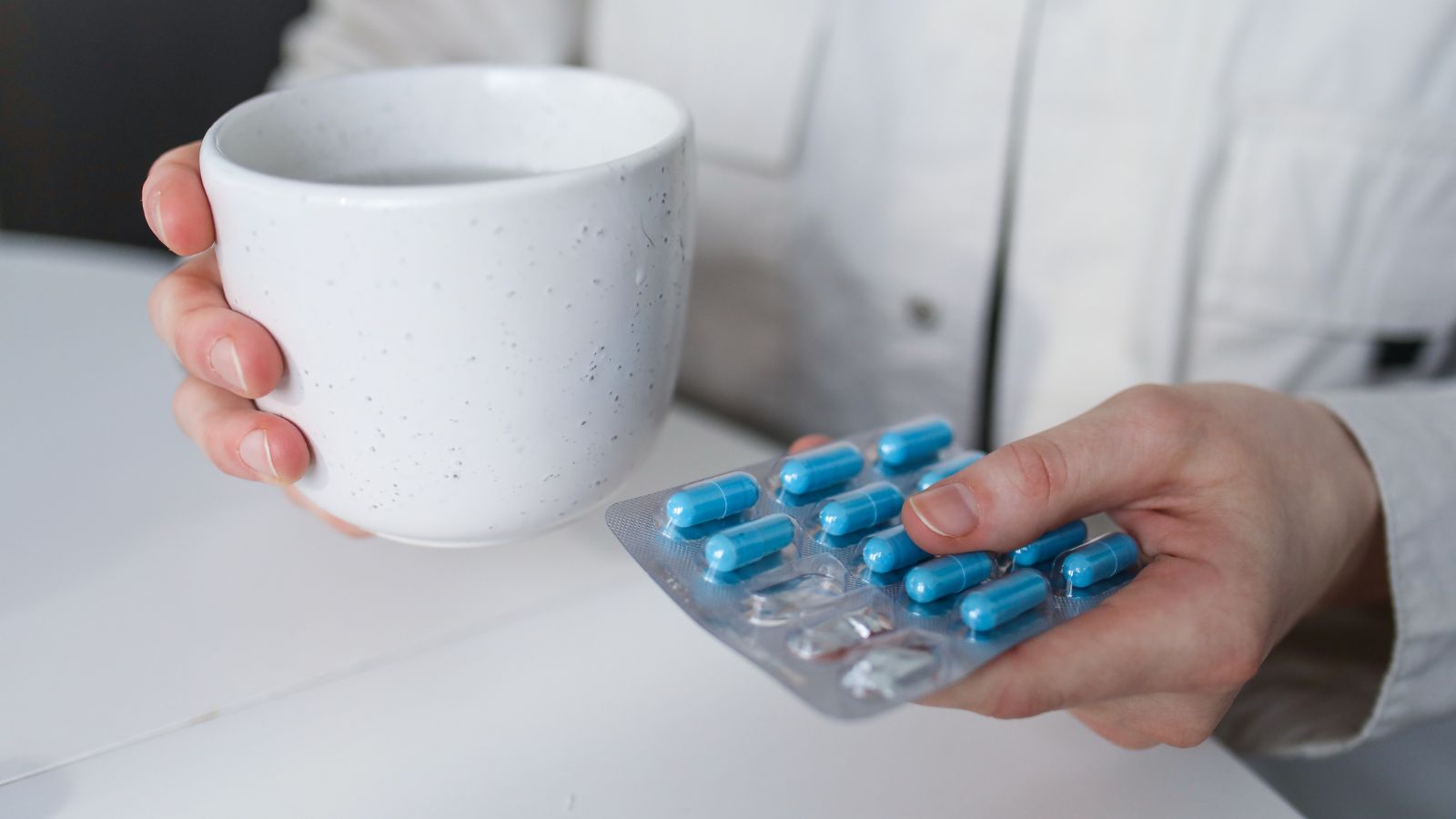
Our bodies have lots of tiny helpful bacteria living inside our tummies, called the gut microbiome.
These helpful bacteria do many jobs, like helping our bodies use sugar for energy.
When we get sick, doctors sometimes give us medicine called antibiotics.
Antibiotics are great at killing bad germs, but they can also kill some helpful bacteria.
When helpful bacteria are reduced for a little while, our blood sugar levels can change.
For most healthy people, these changes are small and not a big deal.
But people who already have trouble controlling their blood sugar, like people with diabetes, might notice bigger changes.
The good news is that these changes usually go away as the helpful bacteria grow back.
Also, being sick can raise blood sugar on its own, so it can be hard to know whether the medicine or the illness caused the change.

The gut microbiome helps regulate glucose metabolism, insulin sensitivity, inflammation, and energy extraction from food.
Antibiotics can disrupt microbial balance, causing temporary changes in metabolic pathways that vary between individuals.
Most healthy people are unlikely to experience clinically significant changes in blood sugar from antibiotics.
People with diabetes, prediabetes, insulin resistance, or existing metabolic dysfunction are more likely to notice glucose fluctuations.
Infections themselves can raise blood sugar through stress hormone responses, making it hard to separate illness effects from antibiotic effects.
- Who
- Dr Adithya V. Naragund, Senior Consultant in GI & HPB Surgery at Cytecare Hospitals, Bengaluru, speaking to indianexpress.com.
- What
- Antibiotics may temporarily affect blood sugar levels by disrupting the gut microbiome, with effects depending on individual health.
- Where
- Cytecare Hospitals, Bengaluru, India; reported by indianexpress.com.
- When
- Not specified in the articles.
- Why
- Antibiotic-induced changes to beneficial gut bacteria can influence insulin sensitivity and inflammation, while infections also raise blood sugar through stress hormone responses.
Key facts
- Key finding
- Antibiotics may temporarily affect blood sugar by altering the gut microbiome
- Expert
- Dr Adithya V. Naragund, Senior Consultant in GI & HPB Surgery
- Institution
- Cytecare Hospitals, Bengaluru
- Most affected groups
- People with diabetes, prediabetes, insulin resistance, or metabolic dysfunction
- Effect on healthy people
- Clinically significant changes unlikely
- Reversibility
- Effects generally reversible as the microbiome recovers
- Source
- indianexpress.com
Quotes
Dr. Adithya V. Naragund
Senior Consultant in GI & HPB Surgery at Cytecare Hospitals, Bengaluru
“"The gut microbiome plays a significant role in regulating glucose metabolism, insulin sensitivity, inflammation, and energy extraction from food... When antibiotics disrupt this microbial balance, there can be temporary changes in these metabolic pathways."”
 indianexpress.com
“"It is also important to recognise that infections themselves can raise blood sugar levels through stress hormone responses, making it difficult to separate the effects of the illness from those of the antibiotic."”
indianexpress.com
Sources
Related news
Medication and Blood Sugar Can Vary Between People

Why Blood Sugar Rises Even When You Haven’t Eaten
Mildly High Blood Sugar May Raise Fungal Infection Concerns

Weekend Habits May Disrupt Blood Sugar Into Week

Vinegar Before Carbs May Reduce Blood Sugar Spikes

Why Flu Can Raise Blood Sugar Despite Eating Less

The Yellow Diary Launches India Tour With Sold-Out Bengaluru Shows

Court defers approver Pradosh’s statement in Renukaswamy murder case

Shivakumar Seeks NITI Aayog Funds, Backs Second Bengaluru Plan

Viswanathan Anand Says AI Has Transformed Modern Chess

Science Quiz Covers Vehicle Communication, Space, Medicine, Missiles and Time
