0 months ago
Ditch the Damp, Stop the Itch: Monsoon Fungal Infection Guide

In the rainy monsoon season, our skin often stays damp and sweaty, which lets tiny germs called fungi grow and cause itchy rashes.
These rashes, like ringworm, love warm, moist places such as under the arms, between the toes, and in skin folds.
If you see an itchy, red, ring-shaped rash that keeps spreading, it may be a fungal infection.
Common home fixes like turmeric, coconut oil, and vinegar do not really work against fungus.
Putting strong creams without a doctor's advice can make the rash worse and harder to cure.
If a doctor gives antifungal medicine, you must finish it all, even after you feel better.
Wearing wet or sweaty clothes for a long time gives fungi a better chance to grow.
To stay safe, dry your skin well, wear breathable cotton clothes, and change out of sweaty clothes quickly.
If the rash spreads fast, hurts, or keeps coming back, it is time to see a doctor.

Fungal infections like tinea (ringworm) and candidiasis are triggered during monsoon by increased humidity, sweating, and damp skin.
Skin folds where moisture gets trapped—armpits, under the breasts, buttock folds, inner thighs, and between toes—are most vulnerable, per Dr Shilpa Patil.
Home remedies such as turmeric, coconut oil, and vinegar have limited or no proven effectiveness; tea tree oil may trigger allergic reactions and dermatitis.
Experts warn against steroid cream misuse, stopping antifungal medicine early, and sharing clothes and razors, which delay or spread infection.
Prevention includes keeping skin clean and dry, changing out of sweaty clothes promptly, and wearing breathable fabrics like cotton.
- Who
- Dermatologist Dr Shilpa Patil of Ethoski Skin and Hair Clinic, Pune, and Shahnaz Husain, CMD of Shahnaz Husain Group.
- What
- A guide to monsoon fungal infections covering causes, symptoms, treatment mistakes, and prevention.
- Where
- Pune, India, where the cited experts are based; advice applies broadly to monsoon-affected regions.
- When
- During the monsoon season, when humidity, sweating, and damp skin are high.
- Why
- Increased humidity, sweating, and damp skin during monsoon trigger fungal infections like tinea and candidiasis, especially in moisture-trapped skin folds.
Holistic (Ayurveda)
Conventional Medicine
Approach to treatment
Holistic (Ayurveda)
Shahnaz Husain says a holistic Ayurvedic approach addressing the root cause is better, as applying too many chemicals and consuming medicine is a concern.
Conventional Medicine
Dr Shilpa Patil says the biggest mistakes are relying on home remedies without a diagnosis and using steroid creams blindly, which delay the cure.
Role of medicine
Holistic (Ayurveda)
Ayurveda emphasizes hygiene, lifestyle discipline, and supporting the body's natural balance alongside treatment.
Conventional Medicine
Patil stresses completing the full course of antifungal medicines; stopping early increases the chance of recurrence.
Key facts
- Common infections
- Tinea (ringworm) and candidiasis
- Common symptoms
- Itching, redness, burning, peeling, cracks, scaling, ring-shaped rash
- Most vulnerable areas
- Armpits, under breasts, buttock folds, inner thighs, between toes
- Home remedies with little proof
- Turmeric, coconut oil, vinegar; tea tree oil may cause allergic reactions
- Treatment mistakes
- Steroid cream misuse, stopping antifungals early, sharing clothes and razors
- Prevention tips
- Clean, dry skin; prompt change of sweaty clothes; breathable cotton fabrics
- High-risk groups
- People with diabetes, weakened immunity, or extensive skin involvement
Quotes
Dr. Shilpa Patil
Consultant dermatologist and cosmetologist, director of Ethoski Skin and Hair Clinic
““Also notice if the rash starts expanding, appears in multiple areas, develops oozing, or keeps returning after temporary relief, it requires addressing the root cause of it.””
 deccanchronicle.com
““People who wear tight clothes for prolonged periods are more prone to these infections.””
deccanchronicle.com
Sources
Related news
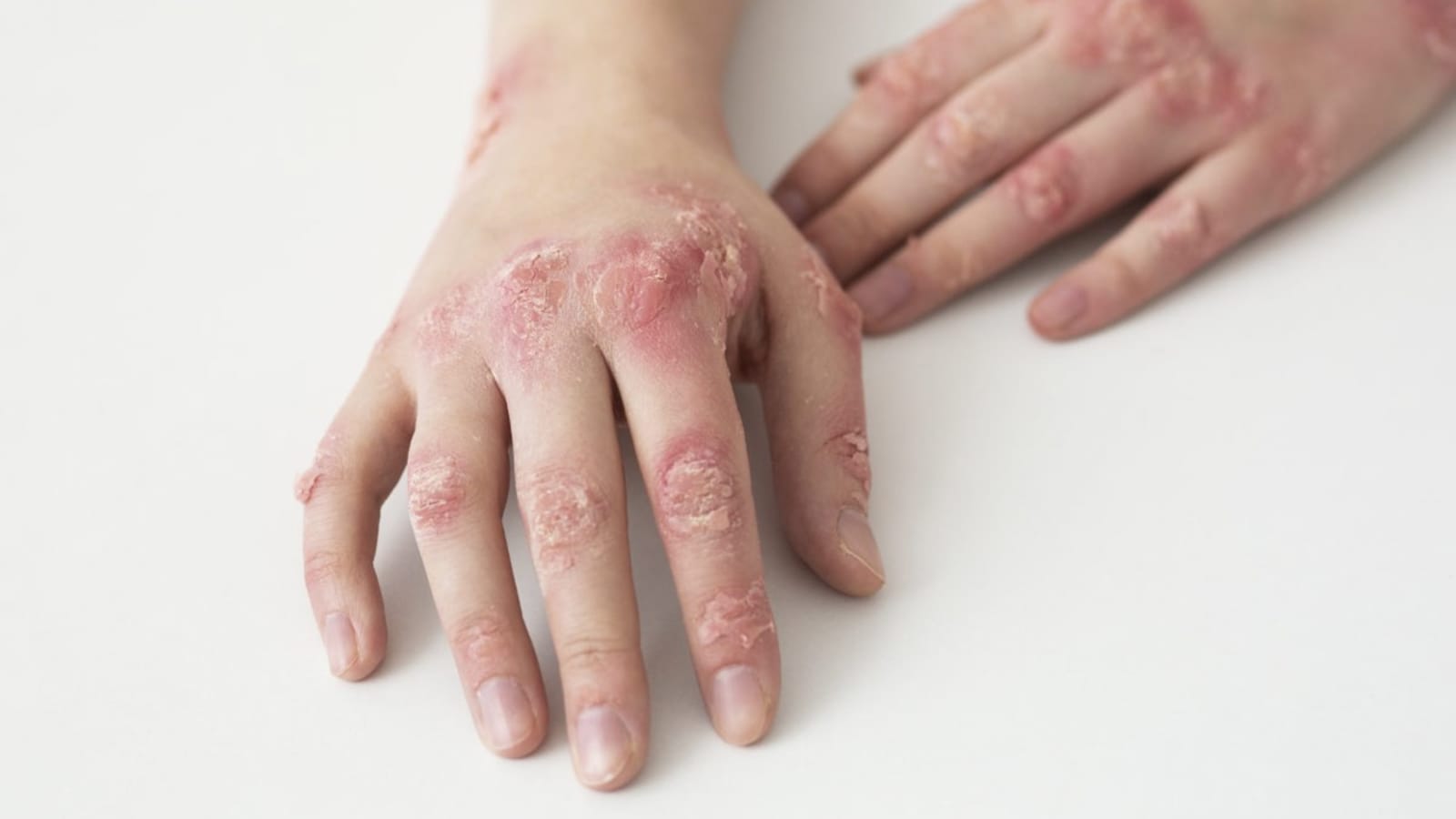
Monsoon Humidity Fuels Ringworm, Athlete's Foot and Jock Itch

Vets Share Monsoon Pet Care Tips Amid Heavy Rain Warnings

Keeping Nails Fresh and Healthy During the Monsoon Rains
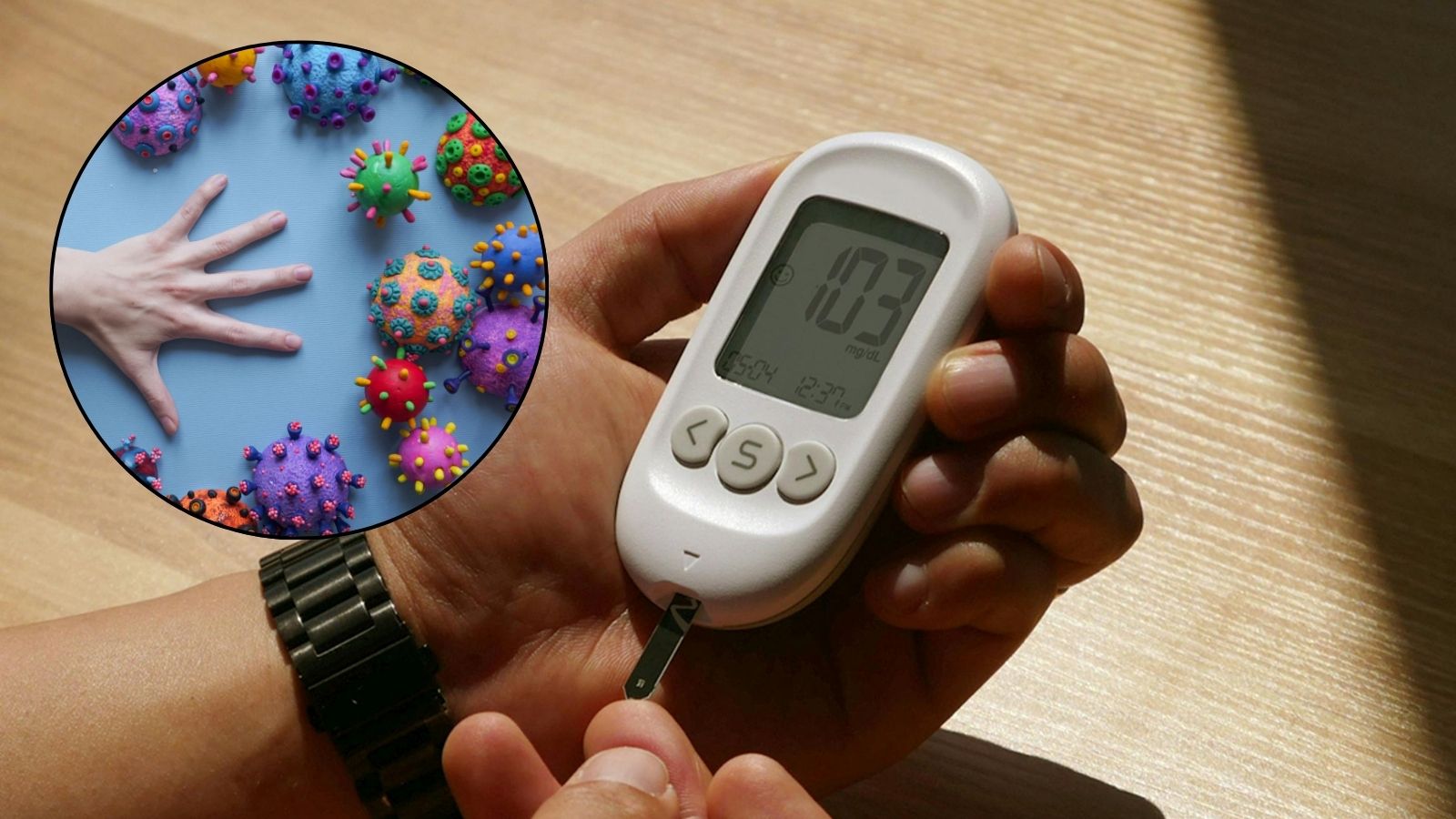
Mildly High Blood Sugar May Raise Fungal Infection Concerns

Doctors Reveal Hidden Damage Monsoon Showers Do To Your Hair

Men Embrace Makeup as Grooming Essential

Winter Skin Care: Expert Tips to Combat Dryness and Irritation
Get Glowing Skin Naturally: DIY Guide for Healthy Skin

Shahnaz Husain's Navratri Tips: Fasting, Beauty, and Well-being