3 hrs ago
Supreme Court Rejects Changes to Student Protest Inquiry Committee

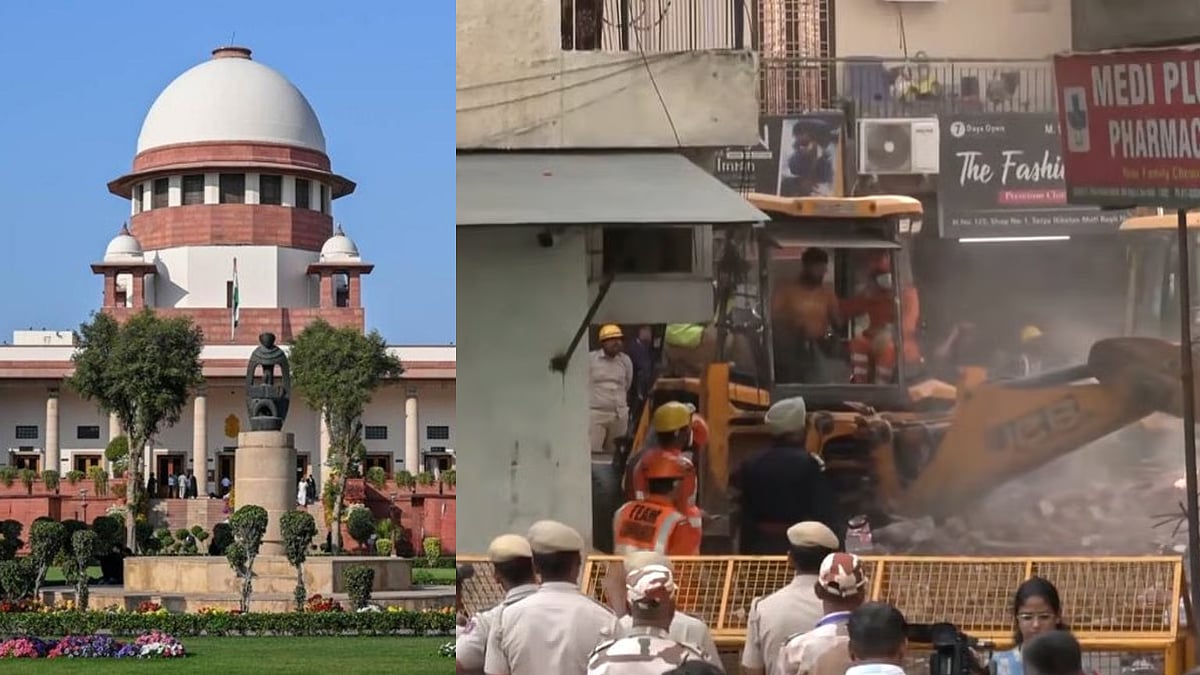
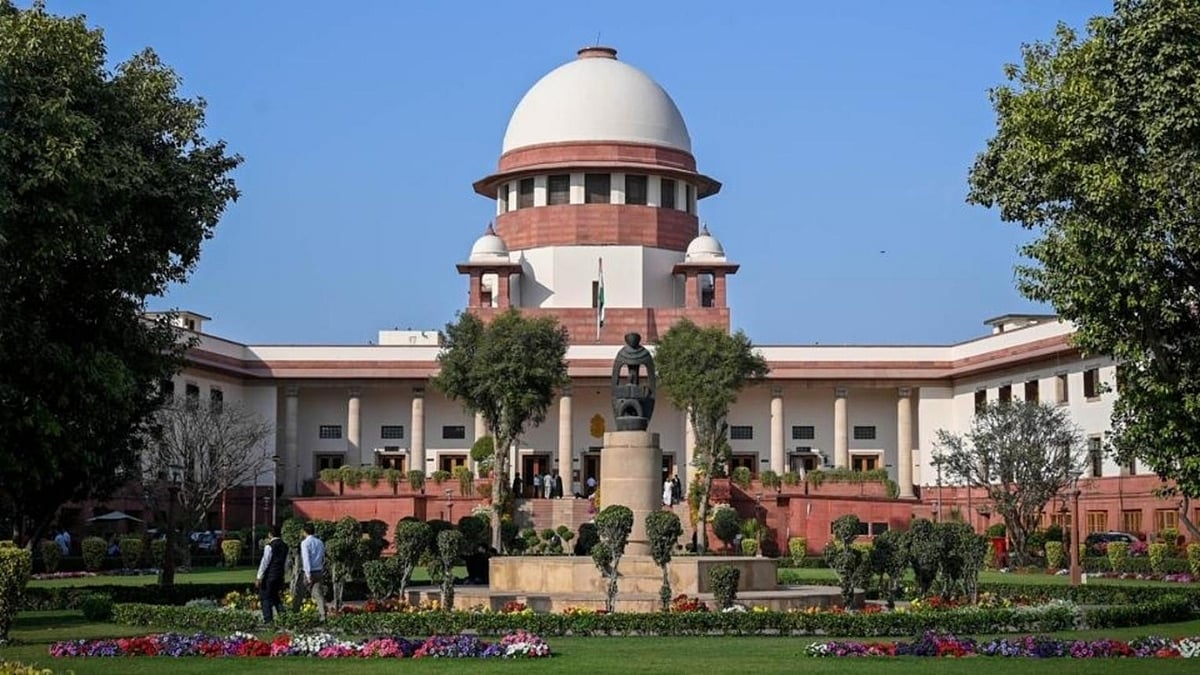
The Supreme Court created a committee to investigate clashes involving student protesters and police.
Some lawyers asked the court to replace the committee or change how it works.
They said one member might have a conflict of interest.
The court said it trusted the committee and would not assume that it was biased.
The committee is led by a former Supreme Court judge and has five members.
It will invite people to share information, documents and evidence.
The committee will examine alleged excessive police force and alleged violence by protesters.
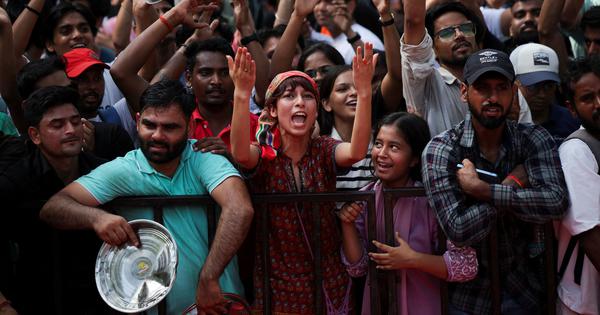
The protests began at Jantar Mantar on June 20 and included a march toward Parliament on July 20.
The protests ended on July 25 after the government accepted the protesters’ demands and Union Education Minister Dharmendra Pradhan resigned.

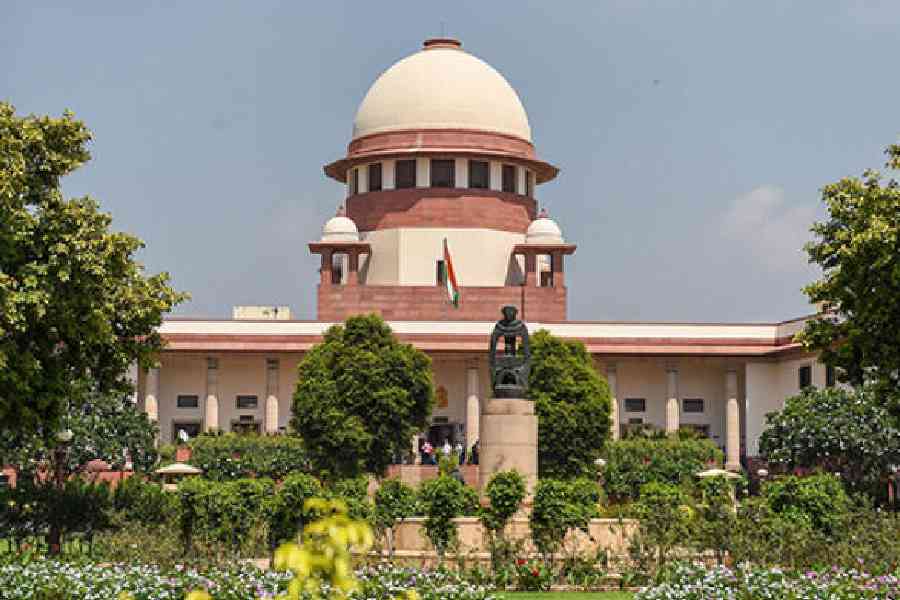
The Supreme Court refused to reconstitute its five-member committee investigating alleged police excesses and violence involving student protesters.
Petitioners alleged a committee member faced a conflict of interest and sought independent legal representation for the panel.
The court said it would not presume bias in a committee headed by a former Supreme Court judge and selected by the bench.
The committee will invite public submissions, including viewpoints, information, documents and evidence, for consideration.
The protests included a July 20 march toward Parliament in Delhi and were later called off after the government accepted the protesters’ demands.
- Who
- The Supreme Court bench led by Chief Justice of India Surya Kant, petitioners, lawyers, the five-member committee, student protesters and police personnel.
- What
- The court declined to reconstitute or alter its high-powered committee investigating alleged police excesses against student protesters and alleged violence against police.
- Where
- The proceedings took place before the Supreme Court, while the protests and clashes occurred in Delhi, including at Jantar Mantar and near Parliament.
- When
- The ruling was reported on September 10; the protests began on June 20, the Parliament march occurred on July 20, and the agitation ended on July 25.
- Why
- Petitioners sought changes because they alleged a committee member had a conflict of interest and requested independent legal representation for the panel.
Petitioners’ Concerns
Court and Government’s Position
Whether the committee should be changed
Petitioners’ Concerns
Petitioners argued that a member had a potential conflict of interest and sought reconstitution of the panel.
Court and Government’s Position
The Supreme Court refused to presume bias, said it would not reconstitute the committee, and offered to examine specific reservations about the member.
Independent representation for the committee
Petitioners’ Concerns
Lawyers requested a separate amicus and Advocate-on-Record, arguing that the committee should not be represented through government counsel.
Court and Government’s Position
Solicitor General Tushar Mehta opposed the submissions and asked the court to disregard the allegations.
Key facts
- Committee chair
- Former Supreme Court judge R Subhash Reddy
- Committee size
- Five members
- Issues under examination
- Alleged excessive police force, including pellet-gun use, and alleged violence by protesters against police and security personnel
- Public participation
- The committee will issue a public notice and accept viewpoints, information, documents and evidence
- Protest start
- June 20 at Jantar Mantar
- Parliament march
- July 20 in Delhi
- Protest conclusion
- July 25, after the government accepted the protesters’ other demands and Dharmendra Pradhan resigned
Quotes
Gopal Sankaranarayanan
Senior advocate representing petitioners
“We will look into your reservations concerning that member. But to say that a member of a committee presided over by a former judge of this court and selected by us should start with a presumption of bias is something we cannot accept.”
 theprint.in
“Our first request is that since the High-Powered Committee has to function independently, it should have a separate amicus and Advocate-on-Record. The committee cannot be represented through government counsel.”
theprint.in
Sources
Related news
Pleas Seek Reconstitution of Panel Probing Police Excesses Against Protesters

Supreme Court Forms Panel to Probe Police Action During Protests
Supreme Court Panel to Probe Force During NEET Protests
NEET-UG Petitioners Seek Reconstitution of Jantar Mantar Probe Panel

Supreme Court Panel to Probe Delhi NEET Protest Police Excesses

Supreme Court Forms Panel to Probe Jantar Mantar Police Excesses

CID Officers Arrest Sumit Roy After Supreme Court Lifts Protection
Supreme Court Links Muslim Inheritance Challenge To Sabarimala Verdict
Magistrate Suspended After Supreme Court Rebuke Over Student Protest Notice
Supreme Court Seeks Reports Over Harassment Claims Against Child Protester