2 weeks ago
India examines restoring MDR as UPI costs outpace support
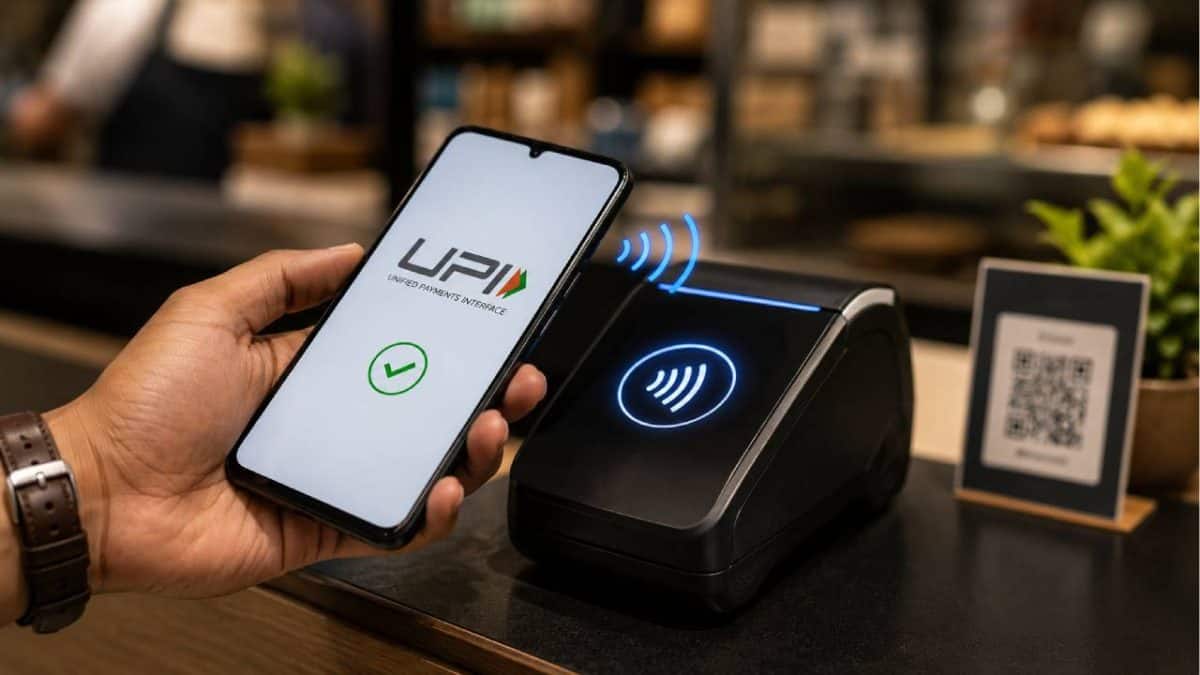
UPI is a way for people in India to pay for things using their phones.
It lets you send money to shops or friends without using cash.
To get lots of people to use it, the government made UPI free.
That means the people who run the system do not get paid when you use it.
Keeping UPI working needs a lot of money — about 20,700 crore rupees every year.
But the government only gives 2,000 crore rupees, so there is not enough money.
The groups that run the payment system are worried about paying for it.
Leaders are now thinking about new rules, like making big shops pay a small fee for very large payments.
They do not want ordinary people to start paying to use UPI.
They want to keep it free and easy while finding another way to pay for it.

India's Finance Ministry is exploring restoring the merchant discount rate (MDR) for select high-value UPI transactions or introducing a tiered incentive structure.
Government support of Rs 2,000 crore covers only a fraction of UPI's estimated Rs 20,700 crore annual operational cost.
MDR on UPI merchant transactions, up to 0.30 per cent until 2019, was abolished in January 2020 to accelerate digital-payment adoption.
The parliamentary panel projects UPI could process 150 billion transactions a month and add around 600 million new users.
The final MDR structure and threshold are expected to be decided by the UPI and Services Steering Committee headed by NPCI.
- Who
- India's Finance Ministry, the Parliamentary Standing Committee on Finance, the National Payments Corporation of India (NPCI), payment companies, merchants and consumers.
- What
- The government is examining whether to restore the merchant discount rate (MDR) for select high-value UPI transactions or introduce a phased incentive model to make UPI financially sustainable.
- Where
- India.
- When
- Discussions are ongoing now; MDR was abolished in January 2020, and the final structure is expected to be decided by the UPI and Services Steering Committee.
- Why
- Government support of Rs 2,000 crore covers only a fraction of UPI's estimated Rs 20,700 crore annual operational cost, and the panel warns inadequate subsidies could affect investment in cybersecurity, fraud prevention and network infrastructure.
Keep UPI Free for Users
Cost Recovery for the Ecosystem
Restoring MDR
Keep UPI Free for Users
Abolishing MDR drove mass adoption, and keeping UPI free for consumers preserves the network effect; any charges risk making digital payments expensive again.
Cost Recovery for the Ecosystem
A nominal MDR on high-value merchant transactions above a specified threshold would restore an important revenue source without charging ordinary users.
Government support
Keep UPI Free for Users
The government wants UPI to remain cheap enough to preserve its network effect, relying on incentives to sustain adoption.
Cost Recovery for the Ecosystem
Payment companies want compensation that reflects the cost of maintaining the system, and continued dependence on inadequate subsidies could eventually hurt investment in cybersecurity, fraud prevention and network infrastructure.
Who bears the cost
Keep UPI Free for Users
Large merchants benefit from faster payments and lower transaction costs under the current free model.
Cost Recovery for the Ecosystem
The growing gap between support and cost makes it necessary to monetise UPI so the infrastructure can be paid for at the scale it has reached.
Key facts
- Government incentive allocation
- Rs 2,000 crore
- Estimated annual operational cost
- ~Rs 20,700 crore
- MDR abolished
- January 2020
- MDR rate until 2019
- Up to 0.30% on merchant transactions
- Projected UPI volume
- 150 billion transactions per month
- Projected new users
- Around 600 million
- Decision body
- UPI and Services Steering Committee (NPCI)
- Relevant legislation
- Payment and Settlement Systems Act, 2007 (amended)
Sources
Related news

Govt weighs restoring MDR, tiered incentives for UPI

India’s UPI Revolution Faces Its Next Financial Test

Fair Pricing Debate Grows As UPI Network Costs Rise

Keep UPI Free by Funding It From Savings

India Raises Petrol, Diesel Export Taxes, Cuts Jet Fuel Levy
India’s August GST Collections Near ₹2 Lakh Crore, Refunds Surge

Finance Ministry Flags Severe Attrition Across Regional Rural Banks

IIT Hyderabad Hosts Cybersecurity and AI Banking Fraud Hackathon

Finance Ministry Flags Global Yield and Inflation Risks for India