

2 weeks ago
Govt weighs restoring MDR, tiered incentives for UPI

UPI is a way for people in India to pay for things using their phones.
When you pay with UPI, shops usually do not have to pay a small fee called MDR.
Since 2020, the Indian government has kept that fee at zero to help people switch from cash to digital payments.
But the government has been paying money into the system to cover the costs of running it.
The government set aside about Rs 2,000 crore, while the industry says it really needs about Rs 20,700 crore.
That is a big gap.
Now the government is thinking about bringing back the fee on some very large UPI payments.
Another idea is to slowly reduce government support over the next few years.
Some people worry that if the system does not get enough money, it could become less safe.
Investments in stopping fraud and keeping the payment network working well could suffer.

The government is considering restoring the merchant discount rate (MDR) on certain high-value UPI transactions or introducing a tiered incentive structure to phase out support, the Finance Ministry told the Parliamentary Standing Committee on Finance.
The Department of Financial Services (DFS) is examining the two options to ensure the sustainability of the UPI ecosystem and reduce the burden on the government exchequer.
The government allocated Rs 2,000 crore to incentivise UPI transactions, compared with the industry's estimated operational cost of Rs 20,700 crore.
UPI transactions have carried zero MDR since January 2020, when the charge was abolished; before that, an MDR of up to 0.30 per cent applied to merchant transactions.
The committee warned that inadequate compensation could affect investments in cybersecurity, fraud prevention and payment network infrastructure.
- Who
- The Finance Ministry and the Department of Financial Services (DFS), responding to the Parliamentary Standing Committee on Finance.
- What
- Considering restoring MDR on select high-value UPI transactions or introducing a tiered incentive structure to gradually reduce government support for digital payments.
- Where
- New Delhi, India.
- When
- The panel's report was tabled on a Wednesday, with no exact date given.
- Why
- To ensure the sustainability of the UPI ecosystem while reducing the burden on the government exchequer.
Sustained Incentives for UPI
Gradual Support Phase-Out
Government funding for zero-MDR UPI
Sustained Incentives for UPI
The committee says the current compensation is inadequate, covering about 11% of actual costs, and warns this could affect critical investments in cybersecurity, fraud prevention and payment network infrastructure.
Gradual Support Phase-Out
The government says the incentive burden on the exchequer is unsustainable and is examining MDR restoration on certain high-threshold transactions or merchants, plus a tiered incentive structure to phase out support over the next few years.
Restoring MDR on selected transactions
Sustained Incentives for UPI
Zero MDR was introduced in January 2020 to accelerate digital payments and encourage a shift from cash, and the government has not yet permitted any MDR levy on UPI.
Gradual Support Phase-Out
Restoring MDR on certain high-value UPI transactions is under consideration to make the UPI ecosystem sustainable and reduce government spending.
Key facts
- Government incentive allocation
- Rs 2,000 crore
- Industry estimated operational cost
- Rs 20,700 crore
- Current MDR on UPI
- Zero since January 2020
- MDR before January 2020
- Up to 0.30% on merchant transactions
- Compensation coverage
- About 11% of industry costs and 14% of potential MDR collections
- Projected UPI volume
- 150 billion transactions per month
- Projected new users
- 600 million
- Enabling law
- Taxation and Other Laws (Amendment) Bill, 2026
Sources

Related news
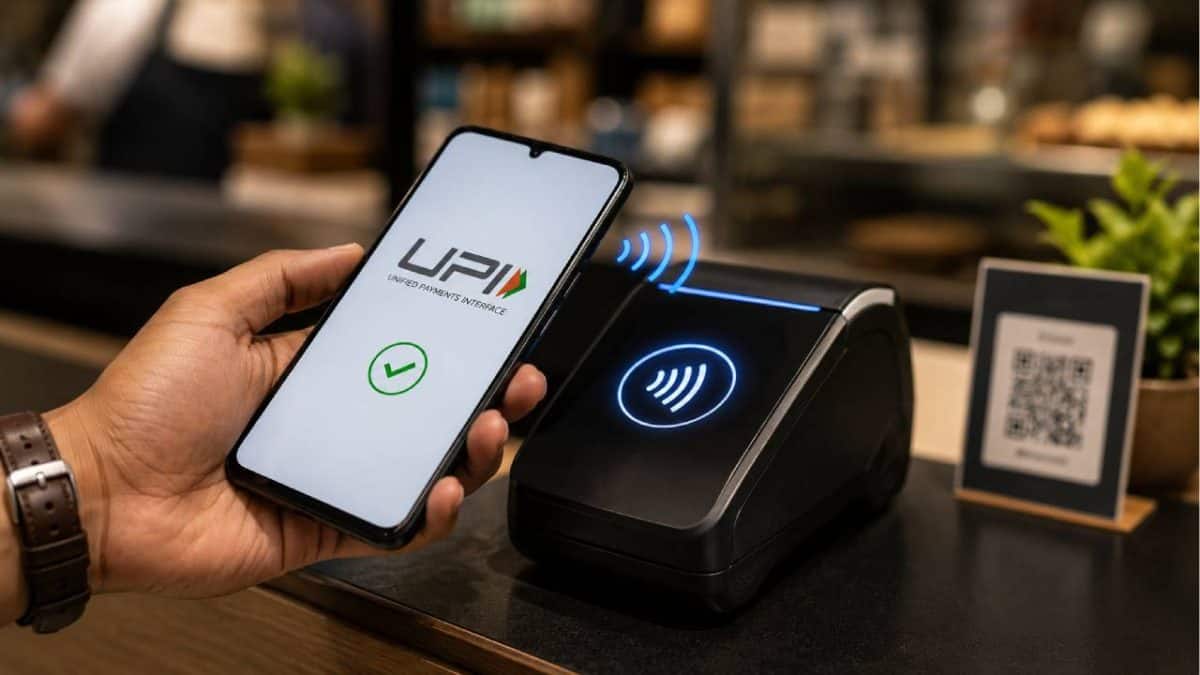
India examines restoring MDR as UPI costs outpace support

Former RBI Official Backs MDR on High-Value UPI Transactions

UPI MDR Above ₹2,000 May Begin Within Two Weeks

UPI Remains Free for Users, Nominal Merchant Fee Possible: Govt

Finance Ministry Urges State Insurers to Prioritize Profitable Business

Indian Bank Unions Escalate Strikes Over Banking, PLI, Pensions

Fair Pricing Debate Grows As UPI Network Costs Rise

Regional Rural Banks Post Record Profit in FY 2025-26
Bank Unions Escalate Strike Over Five-Day Week, PLI, Pensions
