2 hrs ago
Why ISRO Chose a Geosynchronous Orbit for EOS-05

EOS-05 is a satellite designed to take pictures of Earth.
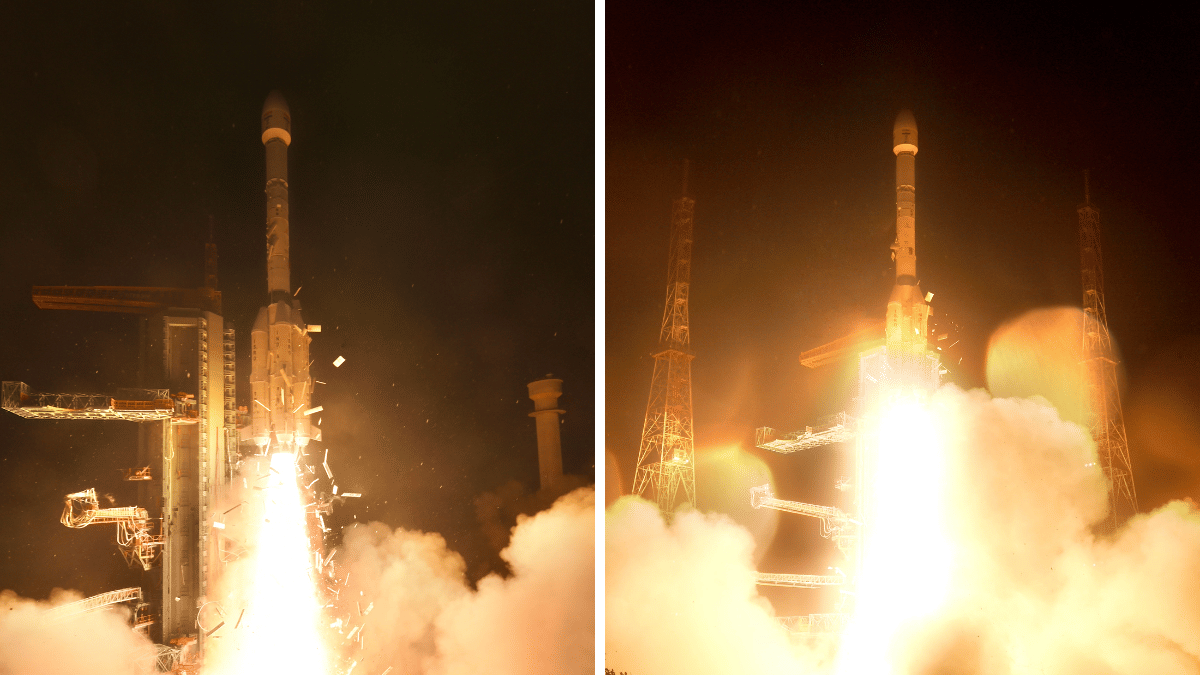
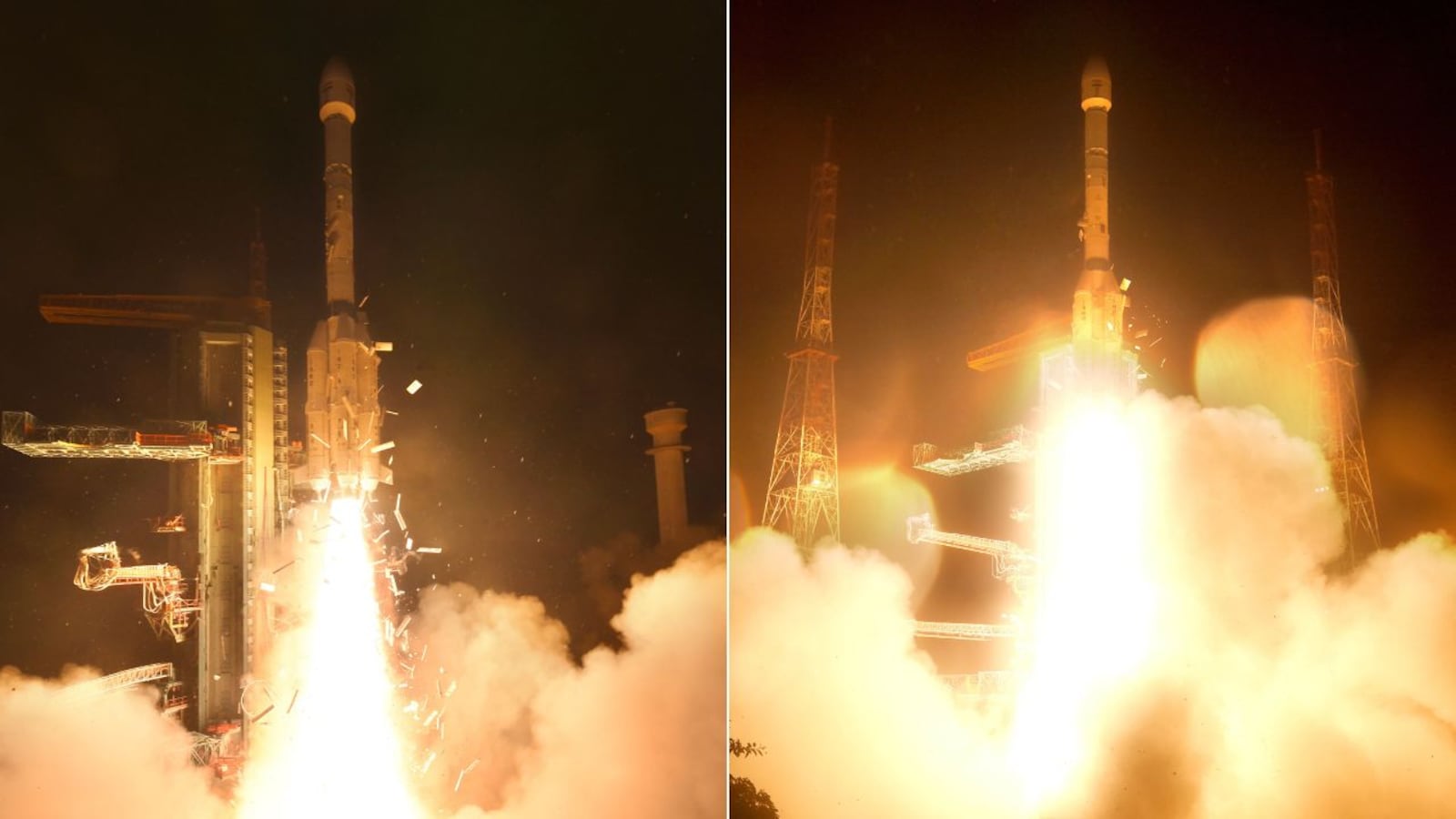
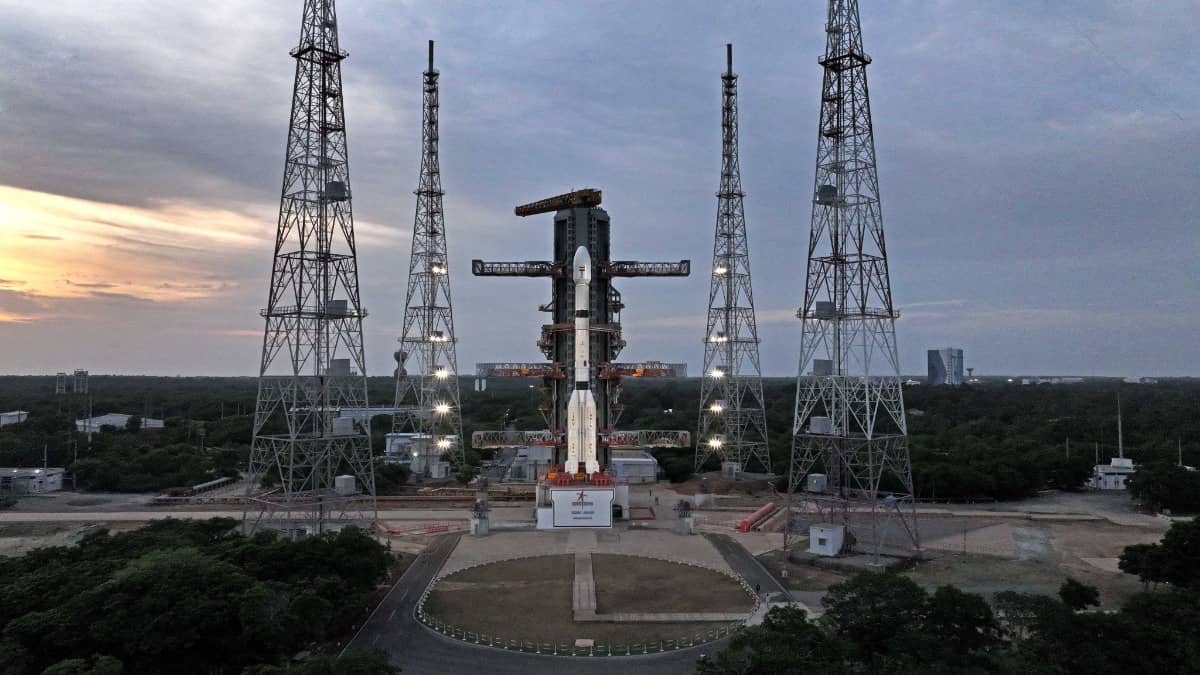
The GSLV F17 rocket launched it into space on Friday.
At first, it was placed in an orbit that was much closer to Earth at one point than at another.
Its own engines then raised and reshaped the orbit.
The satellite is now heading toward a geosynchronous orbit.
This orbit is slightly different from a perfectly circular geostationary orbit.
ISRO said that different missions need different kinds of orbits.
EOS-05 is expected to provide important images and strategic information for India.

EOS-05 was launched by the GSLV F17 rocket into a sub-geostationary transfer orbit on Friday.
Orbit-raising maneuvers moved the satellite from 171-by-31,000 kilometers to an orbit reaching 35,786 kilometers at apogee.
EOS-05 is expected to operate in a slightly elliptical geosynchronous orbit rather than a circular geostationary orbit.
ISRO said different orbits are selected for different purposes, but did not publicly specify the mission’s detailed rationale.
The satellite is India’s first dedicated imaging satellite from geosynchronous orbit and is expected to provide strategic data.
- Who
- The Indian Space Research Organisation, including its satellite and launch teams, launched EOS-05.
- What
- EOS-05 was launched and maneuvered toward a slightly elliptical geosynchronous orbit for Earth observation.
- Where
- The launch took place at the Satish Dhawan Space Centre in Sriharikota, and the satellite is being placed in an orbital slot at 85.5 degrees east.
- When
- It was launched on Friday, followed by orbit-raising maneuvers on Saturday and Sunday.
- Why
- ISRO said different orbits are chosen for different purposes; the article does not give a more specific reason for selecting geosynchronous orbit over circular geostationary orbit.
Key facts
- Satellite
- EOS-05
- Launch vehicle
- GSLV F17
- Initial orbit
- 171-kilometer perigee and 31,000-kilometer apogee
- Current reported orbit
- About 20,000-kilometer perigee and 35,786-kilometer apogee
- Planned orbital slot
- 85.5 degrees east
- Mission purpose
- Earth observation and provision of strategic data
- Expected user
- The Indian Navy is expected to be one of the users
Quotes
ISRO scientist associated with the EOS-05 program
Scientist involved in the EOS-05 satellite program
“Each orbit is selected for different purposes. Here we have chosen GSO (geosynchronous orbit).”
 indianexpress.com
“The satellite will be in a geosynchronous orbit instead of a geostationary orbit.”
indianexpress.com
V Narayanan
ISRO chairman speaking after the EOS-05 launch
“The vehicle (GSLV F17) was supposed to give a 170 km by 29,000 km orbit, and we have got a 171 km by 31,000 km orbit, which is 1,200 km above the required orbit. The vehicle has given more energy.”
indianexpress.com
Sources
Related news

EOS-05 Completes First Orbit-Raising Manoeuvre En Route to GEO
ISRO’s ‘Naughty Boy’ Boosts EOS-05 Orbit, Saving Propellant
ISRO Launches EOS-05 for Frequent Imaging of India

ISRO Launches EOS-05 Toward India’s First Geosynchronous Imaging Mission
ISRO Sets September Launch for EOS-05 Earth-Imaging Satellite

ISRO Launches EOS-05, India's First Geosynchronous Imaging Satellite
India Clears ₹1.10 Lakh Crore Defence Deals, 98% Domestic

India’s DAC Considers Overhaul of 40 Su-30MKI Fighters

India Expands Defence Diplomacy With ₹400 Crore Fund

Indian Navy Chief Urges Army Officers Toward Tri-Service Jointness