1 hr ago
Democracy Begins by Making Room for Those Overlooked
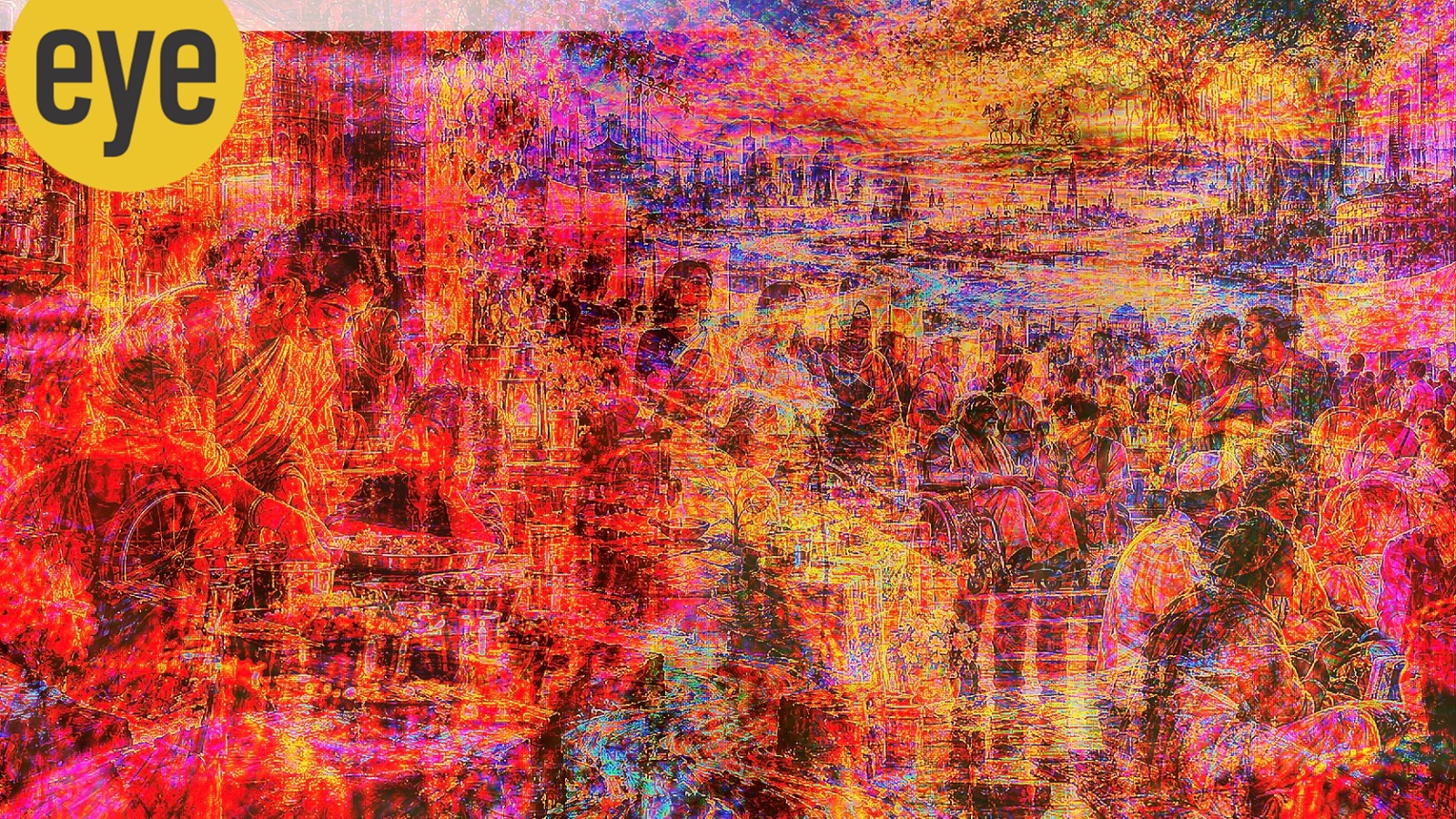
The author says a good democracy notices people who are often ignored.
They connect this idea to a mother who made sure her youngest child was cared for.
The essay also draws lessons from religious teachings and poets about kindness and helping others.
It says students and voters should be able to ask whether rules were followed fairly.
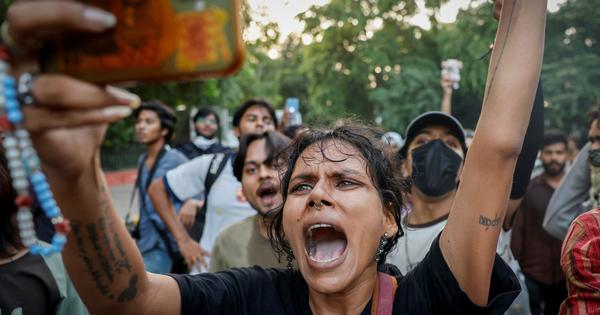
People who protest peacefully should be protected, and their concerns should be investigated.
The author says everyone, including people from minority groups, deserves safety and respect.
Leaders should not use their power to mock or exclude people.
Democracy, the essay concludes, means making room for everyone.

The essay argues that democracy should be measured by how it treats people most easily overlooked or excluded.
Drawing on family stories, religious texts and poets, the author presents compassion, curiosity and care for others as civic duties.
Students concerned about exam failures and alleged paper leaks, and voters worried about their names on electoral rolls, deserve transparent investigation, the essay says.
The author calls for fair exams, checkable voter rolls, independent inquiries, public explanations and protection for peaceful protest.
The essay says minorities—including gay and transgender people and people with disabilities—must have safety, equal protection and a voice.
- Who
- The essay's author, whose name is not provided, and the people whose inclusion and rights it discusses.
- What
- An argument that democracy depends on noticing excluded people, protecting rights and responding transparently to public concerns.
- Where
- The discussion focuses especially on India and South Asia, with examples from other countries and communities.
- When
- The essay refers to contemporary concerns, Bangladesh's uprising in 2024, and youth-led protests in Nepal in 2025.
- Why
- The author argues that democratic societies must protect dignity, inclusion, accountability and the right to question power.
Key facts
- Central argument
- Democracy should be judged by how it treats people who are easiest to overlook.
- Issues raised
- Exam failures and allegations of paper leaks, along with fears that voter-roll changes could exclude citizens.
- Proposed safeguards
- Fair examinations, secure papers, checkable and correctable voter rolls, independent inquiries and public reasons for decisions.
- Protest
- The essay says peaceful assembly should be protected and public concerns investigated.
- Groups discussed
- Women, people with disabilities, gay and transgender people, religious minorities, students, voters and dissenters.
- Examples of protest
- The essay mentions Bangladesh's 2024 uprising and youth-led protests in Nepal in 2025.
Quotes
The author's mother
The author's mother, remembered for reassuring and attending to the youngest child.
“Mala pherat jug bhaya, phira na man ka pher.”
 indianexpress.com
“Your time is coming, coming, coming.”
indianexpress.com

Basavanna
Twelfth-century poet from Karnataka, quoted on inward devotion.
“The rich will make temples for Siva. What shall I, a poor man, do? My legs are pillars, the body the shrine.”
indianexpress.com
Sources
Related news
Gandhi’s Lesson: Democracy Needs Dissent and Dialogue

Swaraj Offers a Blueprint for Renewing Democracy Globally

Ambedkar’s Legacy Invoked Often, His Questions Asked Rarely
Guterres Says Gandhi’s Lessons Urgent Amid Global Conflict
Naipaul’s ‘Million Mutinies’ Cast Protest as Democratic Strength
Gandhi Offers Ideas for Renewing India’s Democracy
Pakistan Withdraws from Asian Champions Trophy; Bangladesh Replaces It
Giriraj Singh Rejects Resignation Demand, Denies Surat Worker Exodus
Calcutta High Court Questions Deportation Based Solely on Suspicion
Telangana BJP Accuses Congress of Taking Election Dispute to Streets