1 day ago
South Korea’s Lee Drops Top Adviser as Housing Concerns Grow

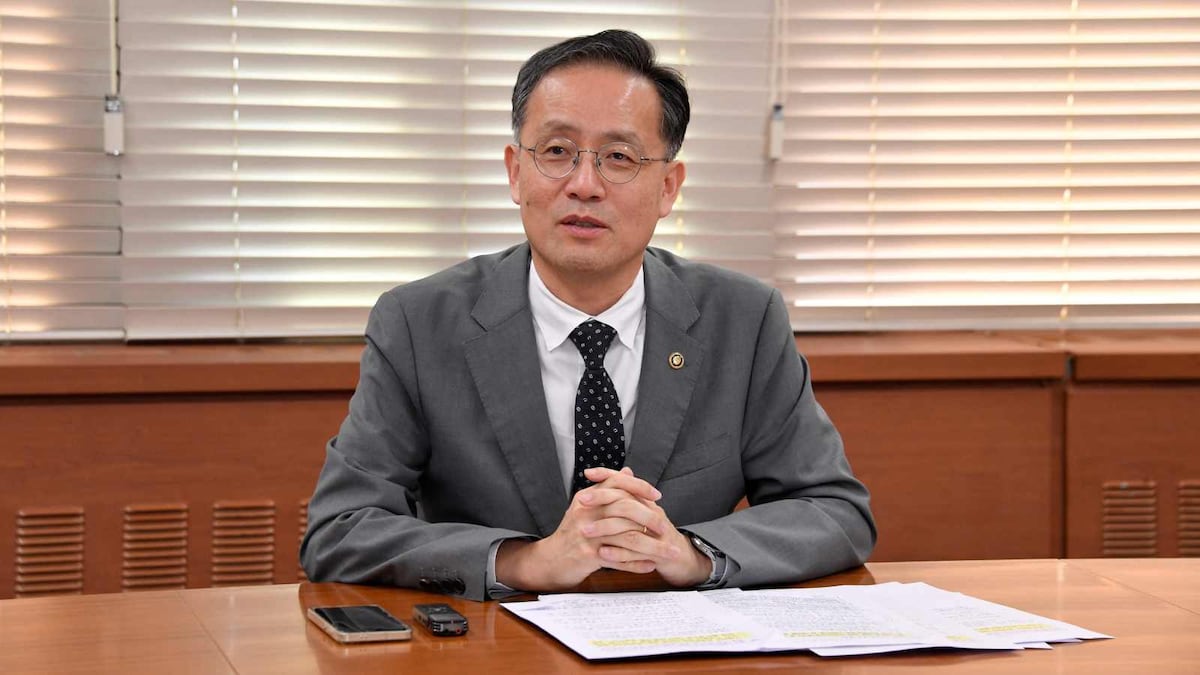
South Korean President Lee Jae Myung accepted the resignation of his top economic adviser, Kim Yong-beom.
Kim had helped create several of the government’s major economic policies.
People are worried that homes and rents are still too expensive.
Some working families say new borrowing rules have made it harder to buy a home.
Lee’s approval rating fell to 38.9 percent in one poll.
The resignation came soon after Lee replaced several ministers and presidential aides.
Critics also blamed Kim for policies allowing leveraged funds linked to major chip companies.
Analysts said changing officials may not be enough to restore public trust.
They said Lee is under pressure but is not yet in immediate danger.

President Lee Jae Myung accepted the resignation of chief policy adviser Kim Yong-beom on Tuesday.
Kim helped develop Lee’s expansionary fiscal policy, financial-market measures and housing policies.
Kim’s departure followed a cabinet reshuffle that included six new ministers and several presidential aides.
Lee’s approval rating fell 1.3 percentage points to 38.9%, according to a Realmeter poll.
Analysts said housing prices, rental costs and controversial leveraged ETFs were increasing pressure on the administration.
- Who
- South Korean President Lee Jae Myung and his chief presidential policy adviser, Kim Yong-beom, along with analysts and critics of the administration.
- What
- Lee accepted Kim’s resignation after a cabinet reshuffle amid concerns about housing affordability, uneven growth and financial-market policies.
- Where
- South Korea, including the presidential administration in Seoul.
- When
- The resignation was accepted on Tuesday, days after a cabinet reshuffle announced on Sunday; the report was dated September 1.
- Why
- Public concerns about housing prices and rental costs, falling approval ratings and criticism of leveraged exchange-traded funds increased pressure on Lee’s government.
Lee Administration
Critics and Analysts
Effect of the reshuffle
Lee Administration
The administration has changed ministers and advisers as it responds to concerns over housing, growth and policy performance.
Critics and Analysts
Analysts said replacing officials alone is unlikely to convince voters that government policies will change or restore public trust.
Housing measures
Lee Administration
Lee’s government tightened borrowing rules to curb speculative buying and improve housing affordability.
Critics and Analysts
Working families said the measures made it harder to own homes, while housing prices and rental costs continued to weigh on public sentiment.
Leveraged ETFs
Lee Administration
The administration pursued efforts to revitalise financial markets, including the listing of single-stock leveraged ETFs.
Critics and Analysts
Critics blamed Kim for helping introduce the products, saying they heightened stock-market volatility.
Key facts
- Resigned official
- Kim Yong-beom, chief presidential policy adviser
- President
- Lee Jae Myung
- Approval rating
- 38.9%, down 1.3 percentage points in a Realmeter poll
- Cabinet changes
- Six new ministers were named, including replacements for the economy and finance minister and the land minister
- Housing policy
- The administration tightened borrowing requirements to discourage speculative residential-property purchases
- Market controversy
- Critics linked Kim to the listing of single-stock leveraged ETFs tied to the world’s two largest memory-chip producers
- Analyst assessment
- Analysts said the reshuffle may not be enough to reverse declining public support
Quotes
Jeremy Chan
Analyst at the Eurasia Group
“I don’t think Lee or his administration is in any immediate danger, but he clearly feels the need to arrest the slide in his public support”
 theprint.in
“Looking at past cases, there are almost no examples where a cabinet reshuffle has raised a president’s approval rating”
theprint.in