1 week ago
UPSC Key Highlights Russia, OBC Creamy Layer, Farakka and Cities
This UPSC current-affairs digest covers several important issues in India and abroad.
India and Russia are discussing trade, energy, fertilisers, nuclear power and technology.
Their leaders are expected to meet at upcoming international summits.
The government has asked the Supreme Court to explain how a new ruling about OBC creamy-layer rules should affect civil-services candidates.
Bihar says the water-sharing agreement with Bangladesh has contributed to floods, siltation and water shortages in the state.
Telangana’s Chief Minister was unable to continue a planned visit to the United States because political clearance was denied.
The digest also explains that young graduates can face high unemployment even when the overall unemployment rate falls.
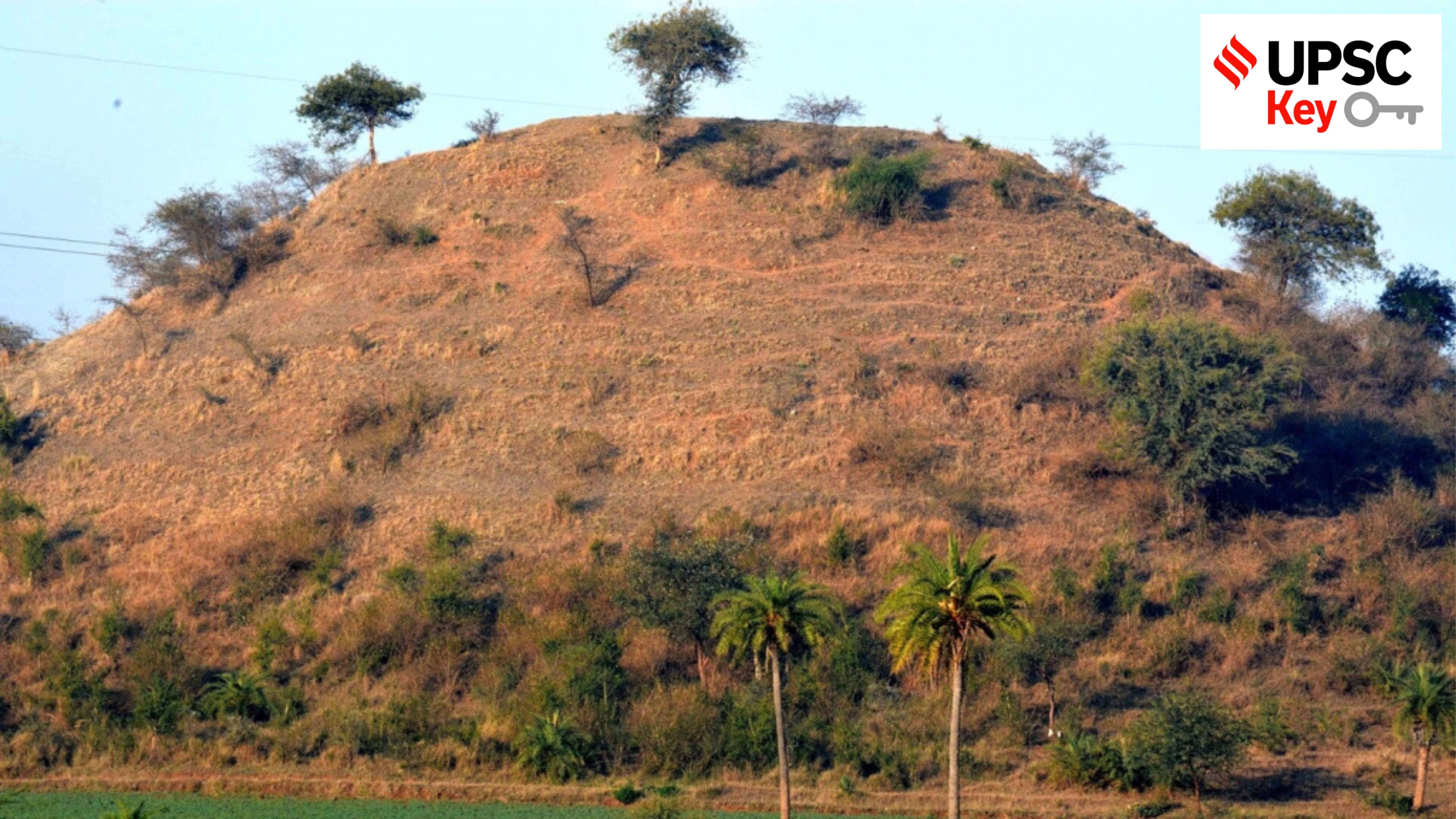
Archaeologists are studying a large mound in Ujjain that may be connected with Ashoka-era Buddhist monuments.
Finally, it explains that concrete, lost water bodies and weak drainage can make cities both hotter and more vulnerable to flooding.

India and Russia are prioritising trade, energy, fertilisers, nuclear energy and high-technology cooperation ahead of upcoming Modi-Putin meetings.
The Centre has asked the Supreme Court to clarify how its March 11, 2026 creamy-layer ruling applies to candidates selected in the 2025 civil services examination.
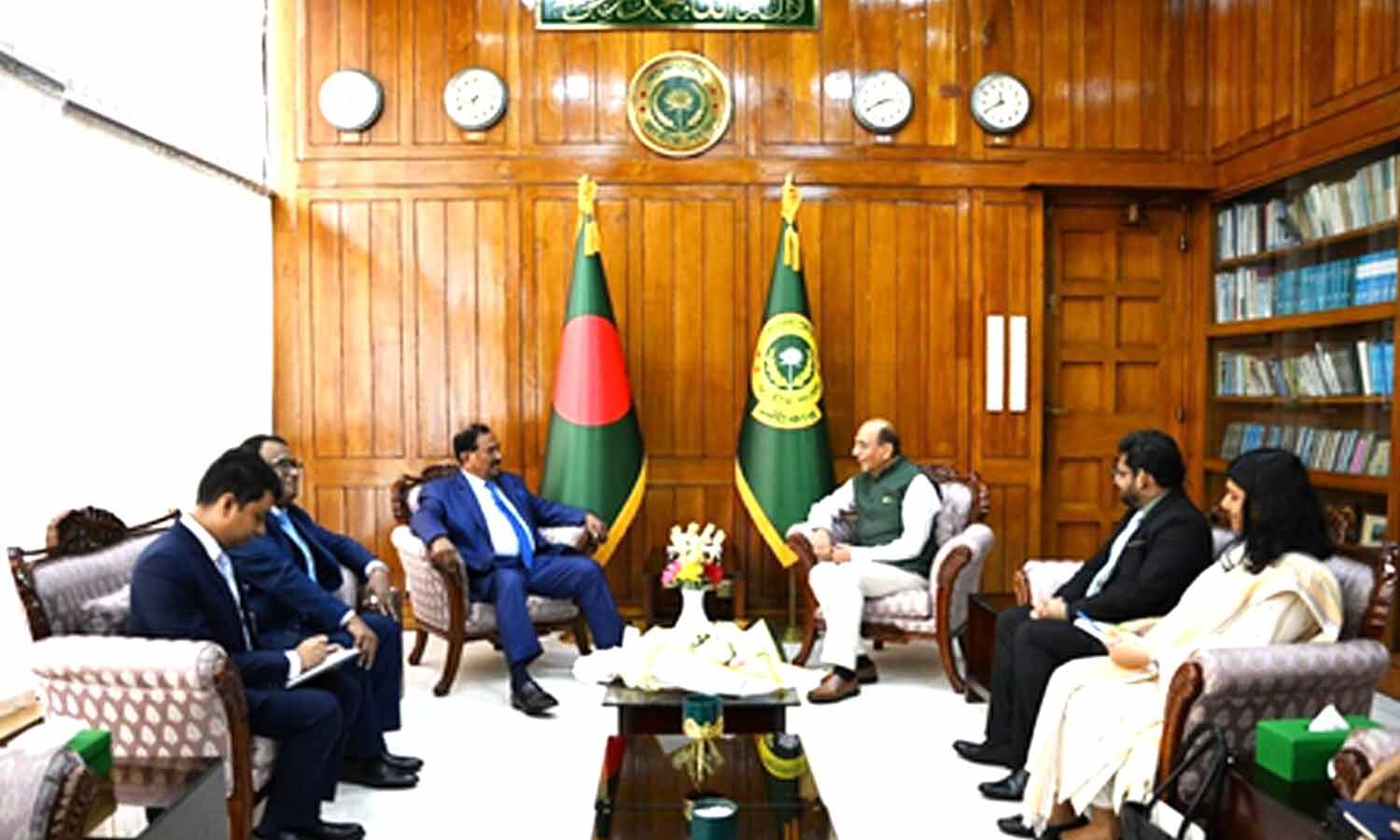
Bihar’s ruling alliance wants the 1996 India-Bangladesh Ganges Water Sharing Treaty, known as the Farakka Treaty, reviewed or scrapped before its December expiry.
An editorial criticised the denial of Telangana Chief Minister Revanth Reddy’s proposed US visit, while official rules require political clearance for foreign travel by public servants.
The UPSC key also examines youth unemployment, Ashoka-era Vaishya Tekri excavations and how urban construction worsens flooding and heat.
- Who
- The subjects include India, Russia, Bangladesh, Bihar, the Supreme Court, the Centre, Telangana, young workers and researchers studying Ashoka-era sites.
- What
- The digest covers India-Russia relations, OBC creamy-layer litigation, the Farakka Treaty, political clearance for foreign visits, youth employment, Vaishya Tekri and urban climate risks.
- Where
- The developments involve Moscow, India, Bihar, Bangladesh, Telangana, Ujjain, Gurugram and other Indian cities.
- When
- The material is presented as the UPSC key for August 25, 2026; the Farakka Treaty is due to expire in December 2026.
- Why
- The issues are significant because they concern India’s foreign relations, reservation policy, federalism, employment, heritage conservation and urban disaster management.
Concerns and Criticism
Governmental and Institutional Position
OBC creamy-layer ruling
Concerns and Criticism
Affected candidates and the Supreme Court ruling argue that salary income alone should not exclude children of public-sector or private-sector employees from OBC reservation without considering the nature of their parents’ posts.
Governmental and Institutional Position
The Centre says applying the judgment retrospectively to the already substantially completed CSE-2025 process could disrupt merit lists, service allocation, training, cadre allocation, seniority and pay fixation.
Farakka Treaty
Concerns and Criticism
Bihar’s government and leaders argue that the treaty has contributed to floods, heavy siltation and inadequate summer water availability, and want the agreement reviewed or not renewed.
Governmental and Institutional Position
The treaty provides a bilateral framework for predictable dry-season water distribution between India and Bangladesh; the Centre must weigh Bihar’s concerns against India’s diplomatic obligations to its neighbour.
Telangana Chief Minister’s US visit
Concerns and Criticism
The editorial argues that denying Revanth Reddy permission reflected excessive Union control and weakened dialogue between the government and Opposition, especially when the visit aimed to attract investment and educational partnerships.
Governmental and Institutional Position
The Ministry of External Affairs says political clearance is within its remit and that foreign visits are assessed according to the purpose, level of meetings, invitation and India’s relations with the host country.
Vaishya Tekri excavation
Concerns and Criticism
The Madhya Pradesh government and some historical accounts support renewed excavation and restoration of Buddhist monuments linked to Ashoka, including the large Vaishya Tekri mound.
Governmental and Institutional Position
Historian Himanshu Prabha Ray has urged caution, saying the old excavation report and its interpretation require further investigation beyond the 1938-39 work.
Key facts
- India-Russia trade target
- The two countries have set a bilateral trade target of US$100 billion by 2030.
- Reported bilateral trade
- Trade reportedly reached US$68.7 billion in FY 2024-25; the article also reports US$59.863 billion for FY 2025-26.
- Farakka Treaty
- The Ganges Water Sharing Treaty was signed by India and Bangladesh on December 12, 1996, and regulates dry-season Ganga water sharing at Farakka.
- Creamy-layer judgment
- On March 11, 2026, the Supreme Court held that income cannot be the sole criterion for determining OBC creamy-layer status.
- Youth unemployment
- The article reports that youth unemployment fell from almost 18% in 2017-18 to around 10% in 2022-23 and then remained at a high level.
- Vaishya Tekri
- The Ujjain mound is described as approximately 350 feet wide at its base and 100 feet high, though scholars have urged further investigation.
- Urban heat
- The World Bank estimates that temperatures in Indian city centres can be three to four degrees Celsius higher than in surrounding areas.
- Urban disaster management
- Section 41A, added through the 2025 amendment to the Disaster Management Act, 2005, allows states to create Urban Disaster Management Authorities in specified cities.
Quotes

Sanjay Kumar Jha
JD(U) national working president and Rajya Sabha member
“The Farakka treaty has done enormous harm to Bihar. It is also surprising that the treaty was never reviewed in the last 30 years. Bihar suffers floods, heavy siltation and also paucity of water because of it.”
 indianexpress.com

Supreme Court
Division Bench ruling on OBC creamy-layer criteria
“The object of excluding the creamy layer is… not to create artificial distinctions between equally placed members of the same social class… unequal treatment of similarly placed OBC candidates would not only be legally erroneous but constitutionally impermissible.”
indianexpress.com
Himanshu Prabha Ray
Academic interviewed about the Vaishya Tekri excavation
“I think we are jumping the gun. We need to investigate further beyond the 1938-39 excavation.”
indianexpress.com
Sources
Related news
UPSC Current Affairs: India’s Diplomacy, Economy, Law and Policy
India’s Electronics, Energy, Economy and Regional Affairs Explained
UPSC Key Covers SCO, Electoral Rolls, Economy, Defence and Climate
UPSC Weekly Quiz Covers Glaciers, Defence, Geography and Heritage
UPSC Key: Tribunals bill, alcohol policy, Mecca Agreement and more

Sharma and Malik share halfway lead at Telangana Golconda Masters
India Replaces Sri Lanka as 2027 Women’s Champions Trophy Host
Centre Assures JDU Bihar’s Interests In Farakka Treaty Decision
India’s Record Wheat Harvest Opens $1.5 Billion Export Window
West Bengal CM Crushes Nearly 2 Lakh Seized Syrup Bottles