1 week ago
India’s Electronics, Energy, Economy and Regional Affairs Explained
The articles discuss several important issues affecting India and its relationships with other countries.
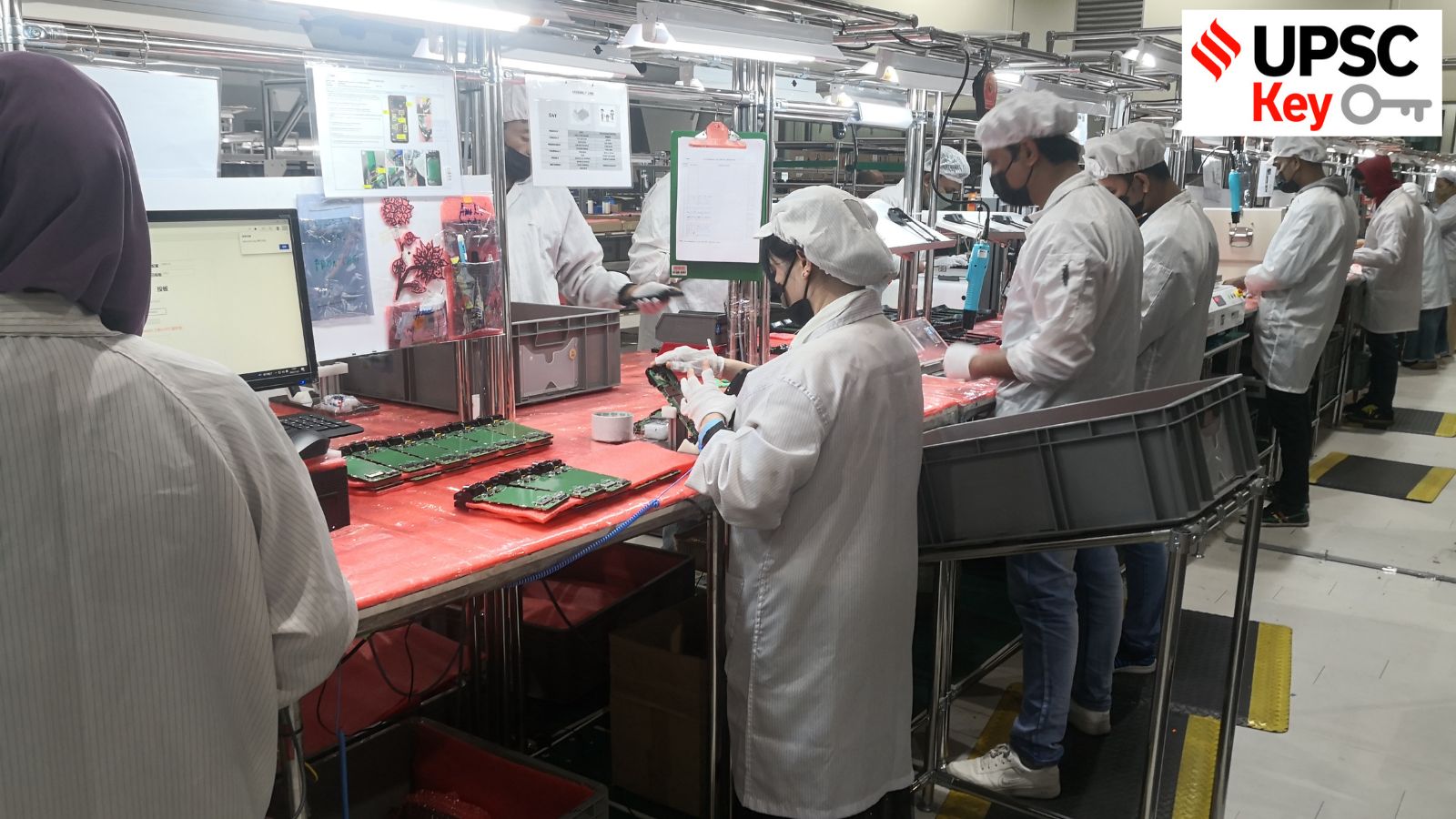
India plans a large scheme to support phone manufacturing and encourage an Indian smartphone brand.
India also agreed to supply Mauritius with all the petrol, diesel and aviation fuel it imports.
The Reserve Bank of India collected foreign currency through a special swap programme to support the rupee and financial stability.
Petrol blended with 20% ethanol, called E20, can reduce pollution and oil imports, but some people worry that their vehicles may give lower mileage.
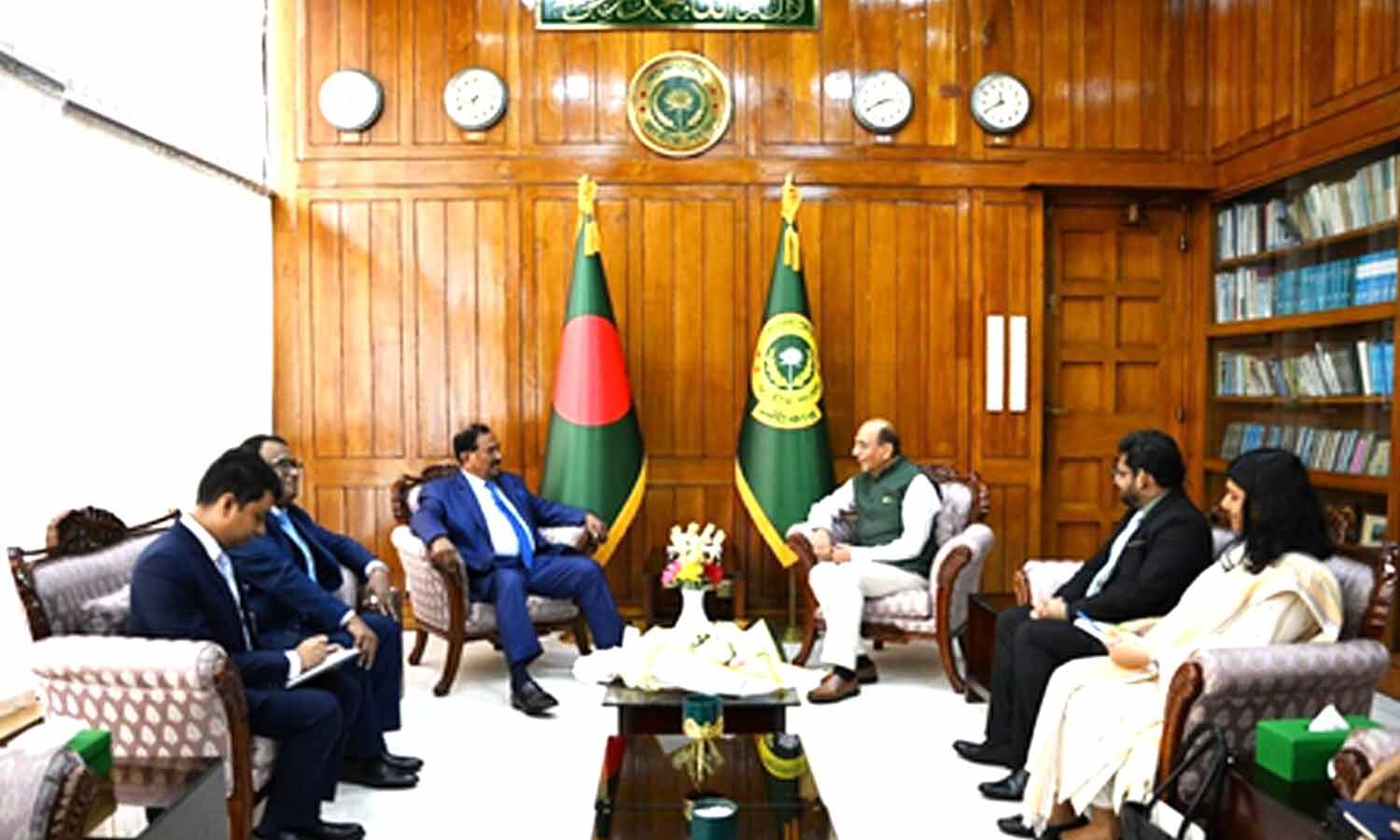
India and Bangladesh are trying to manage disagreements involving Sheikh Hasina and other issues.
Another article says unemployment depends not only on education but also on weak demand and slower economic growth.
A government committee will study a political solution to the Gorkha issue.
The articles also report an army disciplinary ruling and a tariff dispute between Canada and the United States.

A proposed ₹62,500-crore mobile manufacturing scheme would support large manufacturers and Indian smartphone brands from FY2026-27 to FY2030-31.
India and Mauritius signed a five-year agreement under which Indian Oil Corporation will supply Mauritius’s petrol, diesel and aviation fuel requirements.
The Reserve Bank of India’s special forex swap facility attracted $72.85 billion, mainly through FCNR(B) deposits, before its August 31 closure.
India’s nationwide E20 rollout has reduced fossil-fuel dependence but has drawn concerns over mileage, pricing and consumer choice.
Articles also examined India-Bangladesh tensions, youth unemployment, the Gorkha issue, an Armed Forces Tribunal ruling and Canada-U.S. tariffs.
- Who
- The Government of India, the Reserve Bank of India, Indian Oil Corporation, Mauritius, Bangladesh, Canada and the United States are among the principal actors.
- What
- The material covers a mobile-manufacturing scheme, an India-Mauritius fuel agreement, a forex swap facility, E20 fuel, India-Bangladesh tensions, unemployment and several other policy and international developments.
- Where
- The developments concern India, Mauritius, Bangladesh, Jammu and Kashmir, the Darjeeling hills, Canada and the United States.
- When
- The reported developments occurred around August 20-21, with the forex swap facility scheduled to close on August 31; the manufacturing scheme is planned for FY2026-27 to FY2030-31.
- Why
- The stated aims include expanding electronics production, strengthening energy security, augmenting foreign-exchange liquidity, reducing fossil-fuel dependence, managing bilateral tensions and addressing employment and political issues.
Official rationale and potential benefits
Concerns and implementation challenges
E20 rollout
Official rationale and potential benefits
The articles cite lower fossil-fuel use, reduced carbon emissions, lower oil-import dependence and foreign-exchange savings. Ministry of Petroleum and Natural Gas material also describes improved acceleration and ride quality for vehicles modified for E20.
Concerns and implementation challenges
Critics cited in the opinion article say consumers may experience lower mileage without a visible price benefit and object to having no fuel choice. The article suggests differential pricing and the parallel availability of lower ethanol blends.
Mobile manufacturing policy
Official rationale and potential benefits
The new scheme could sustain large-scale production after the first smartphone PLI programme and help create an Indian brand with domestic intellectual property, design and research capabilities.
Concerns and implementation challenges
The scheme faces the broader challenge of building a domestic electronics industry while foreign companies continue to dominate the domestic smartphone market and component sourcing remains an objective.
Youth unemployment
Official rationale and potential benefits
The articles argue that education and skills improve productivity and that skilling should be linked to local demand, self-employment and emerging sectors.
Concerns and implementation challenges
The opinion article argues that unemployment cannot be attributed only to poor education. Slower aggregate demand, weak investment, stagnant real wages and declining earnings may also reduce the demand for labour.
Key facts
- Mobile manufacturing scheme
- Proposed outlay of ₹62,500 crore over five years, from FY2026-27 to FY2030-31.
- Scheme structure
- One track supports large manufacturers and electronics manufacturing services companies; another supports Indian smartphone brands retaining intellectual property, management, design and research capabilities in India.
- Mauritius fuel agreement
- Indian Oil Corporation will supply Mauritius’s entire import requirement of petrol, diesel and aviation turbine fuel for five years.
- Forex inflows
- The Reserve Bank of India reported $72.85 billion in inflows by August 21, including $65.397 billion through FCNR(B) deposits.
- Forex facility
- The special forex swap facility introduced on June 8 was moved to an August 31 closure instead of the original September 30 deadline; swaps against mobilised FCNR(B) deposits can continue until September 11.
- E20 fuel
- E20 contains 80% petrol and 20% ethanol and is described as the standard petrol variant nationwide.
- NEET youth
- NITI Aayog estimated that 8.7 crore Indians aged 15 to 29 were not studying, working or undergoing training in 2021.
- Canada-U.S. tariffs
- Canada said it would impose tariffs from September 8 after new U.S. tariffs of 50% affected about $20 billion of Canadian goods.
Quotes
P Vaidyanathan Iyer
Columnist discussing the benefits and public acceptance challenges of E20 fuel.
“There is no doubt, ethanol blending has many advantages. It cuts fossil fuel use, produces lower carbon emissions, reduces dependence on imports, saves precious foreign exchange, and insulates the country from the vagaries of geo-politics that affect supplies. While this may be appreciated by those affected, they are not convinced how all this translates into benefits for them.”
 indianexpress.com
“De-risking would be my biggest mantra and the second would be to diversify. So the more partners, more sources that you have, clearly to that extent, you have de-risked it.”
indianexpress.com
Sources
Related news

UPSC Key: Coastal Erosion, Naval Uprising, J&K Quota and More
UPSC Current Affairs: India’s Diplomacy, Economy, Law and Policy

UPSC Key Tracks Talking Cars, Glaciers, Treaties And Growth
UPSC Key Highlights Nepal Floods, Rights, Defence, Nuclear Energy
UPSC Key Highlights Russia, OBC Creamy Layer, Farakka and Cities

Sharma and Malik share halfway lead at Telangana Golconda Masters

India Replaces Sri Lanka as 2027 Women’s Champions Trophy Host
Centre Assures JDU Bihar’s Interests In Farakka Treaty Decision
India’s Record Wheat Harvest Opens $1.5 Billion Export Window
West Bengal CM Crushes Nearly 2 Lakh Seized Syrup Bottles