2 weeks ago
H5N1 Bird Flu: Global Spread, Risk Factors, and Safety Checklist
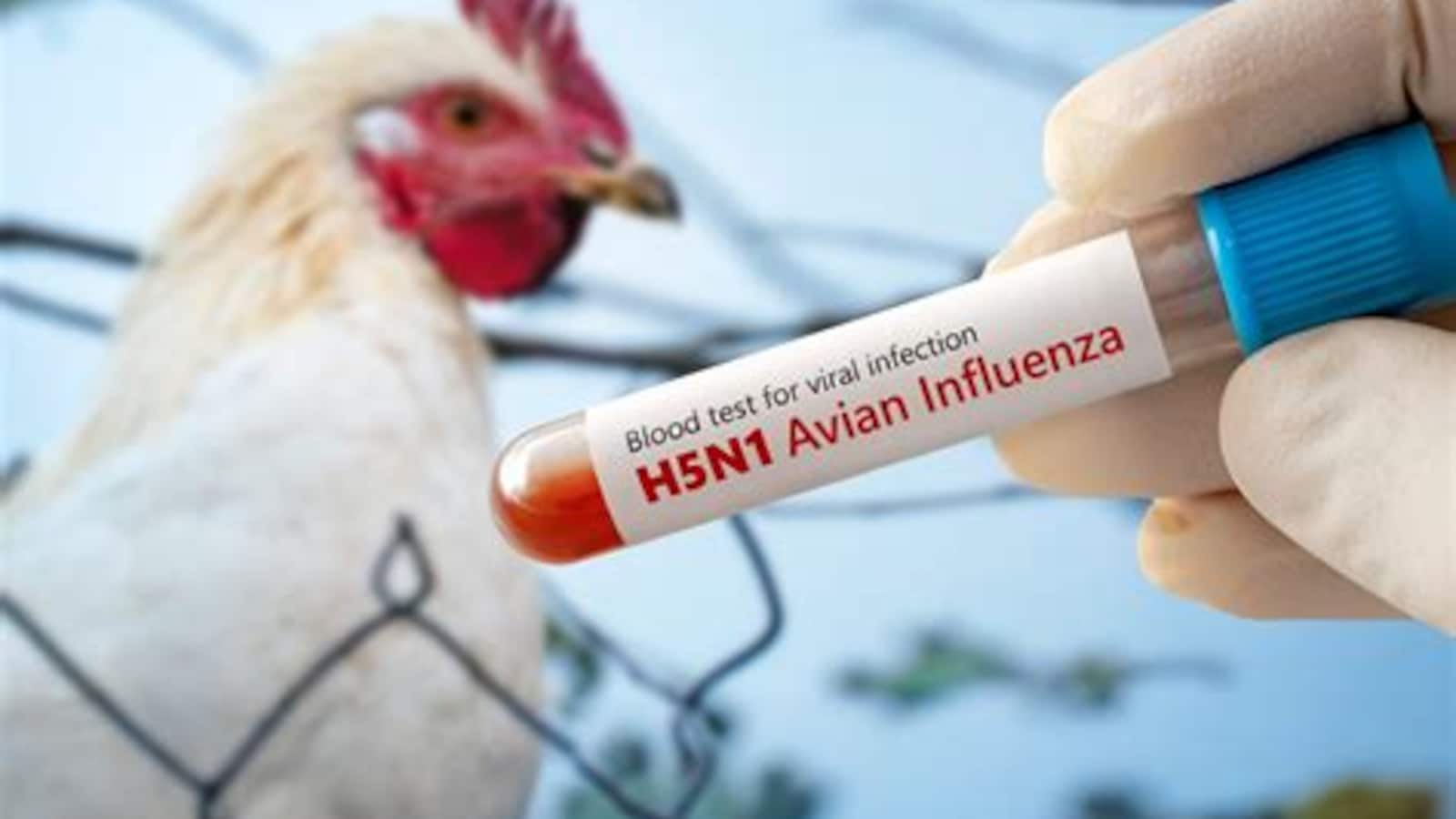
H5N1 is a type of bird flu virus that makes birds sick.
[1] Some infected birds have been found in Australia, and the virus has been spreading in many countries since 2021.
[1] Most people do not catch it, but people who work very close to birds can get it.
[1] The early symptoms look like a cold, with fever, cough, sore throat, and tiredness.
[1] It can get more serious and cause trouble breathing or pneumonia.
[1] The virus spreads when people touch sick birds, their droppings, or dirty places where birds live.
[1] It very rarely spreads from person to person.
[1] To stay safe, do not touch sick or dead birds, wash your hands, and always cook chicken and eggs well.
[1] If a person gets very sick, doctors can test for the virus and give medicine to help.
[1] The article advises people to call a doctor for medical advice if they are worried.
[1]

H5N1 bird flu infected birds have been found in Australia, and the virus has been spreading globally since 2021.
Human infection is uncommon but can become serious, with early symptoms similar to a common cold such as fever, cough, sore throat, and fatigue.
Transmission occurs through close contact with infected birds, their droppings or saliva, and contaminated environments like poultry farms and live bird markets.
Those most at risk include poultry workers, farm workers, veterinarians, live bird market workers, and immunocompromised individuals.
Safety measures include avoiding bare-hand contact with sick birds, washing hands, wearing protective equipment, and thoroughly cooking poultry and eggs.
- Who
- People in close contact with birds, including poultry workers, farm workers, veterinarians, live bird market workers, animal rescue staff, and immunocompromised individuals.
- What
- The spread of H5N1 bird flu, its symptoms, transmission, risk factors, and safety measures, with infected birds detected in Australia.
- Where
- Australia, with prior clusters in the United States and other countries.
- When
- The article notes H5N1 bird flu has been spreading since 2021 and has recently been detected in infected birds in Australia.
- Why
- To inform the public about symptoms, who is at risk, and safety tips to minimise the risk of H5N1 infection.
Emphasis on the Rarity of Human Transmission
Emphasis on the Transmission Risk
Human-to-human transmission
Emphasis on the Rarity of Human Transmission
Human-to-human transmission of H5N1 is rare and is carefully tracked to contain risk.
Emphasis on the Transmission Risk
The Lancet documents that bird flu can spread from person to person, and the CDC says it can spread via droplets if the viral strain mutates.
Person-to-person spread is 'not uncommon' vs. 'rare' nature
Emphasis on the Rarity of Human Transmission
The article repeatedly stresses that H5N1 infection in humans is uncommon and transmission to people generally requires close contact with infected birds.
Emphasis on the Transmission Risk
The article also notes the crossover, when it happens, can turn serious and that medical help should be sought immediately if symptoms progress fast.
Key facts
- Virus
- H5N1 avian influenza (bird flu)
- Current situation
- Infected birds found in Australia; virus spreading globally since 2021
- Main transmission
- Close contact with infected birds, droppings, saliva, or contaminated environments
- Human-to-human spread
- Rare; The Lancet documents person-to-person spread and CDC notes droplet transmission when the virus mutates
- Highest-risk groups
- Poultry workers, farm workers, veterinarians, live bird market workers, animal rescue staff, and immunocompromised individuals
- Early symptoms
- Fever, cough, sore throat, runny nose, fatigue, headache, muscle aches
- Diagnosis
- RT-PCR testing of respiratory samples plus clinical assessment and exposure history
- Food safety
- Poultry and eggs are safe if thoroughly cooked and cleared by health authorities
Sources
Related news

H1N1 Cases Rise in India; Simple Ways to Protect Yourself

Delhi Reports 1,777 H1N1 Cases as Authorities Urge Precautions

Emraan Hashmi Tests Positive For H1N1 Amid Health Warnings

Delhi records nearly six-fold rise in H1N1 cases in 2026
Delhi H1N1 Cases Rise as Government Urges Mask Use
H1N1 Day-1 Symptoms: Warning Signs That Differ From Common Cold

India Replaces Sri Lanka as 2027 Women’s Champions Trophy Host

Mitsubishi Revives Pajero With 201PS Fifth-Generation SUV

IIM-Born CEO Says Australia’s Everyday Life Runs on Trust

UN Report Says 1.5°C Overshoot, Return Remains Possible

Uday Kotak Warns Global Bond Markets Face Roller-Coaster Volatility