1 hr ago
El Niño Raises Drought Risks, Testing India’s Climate Preparedness
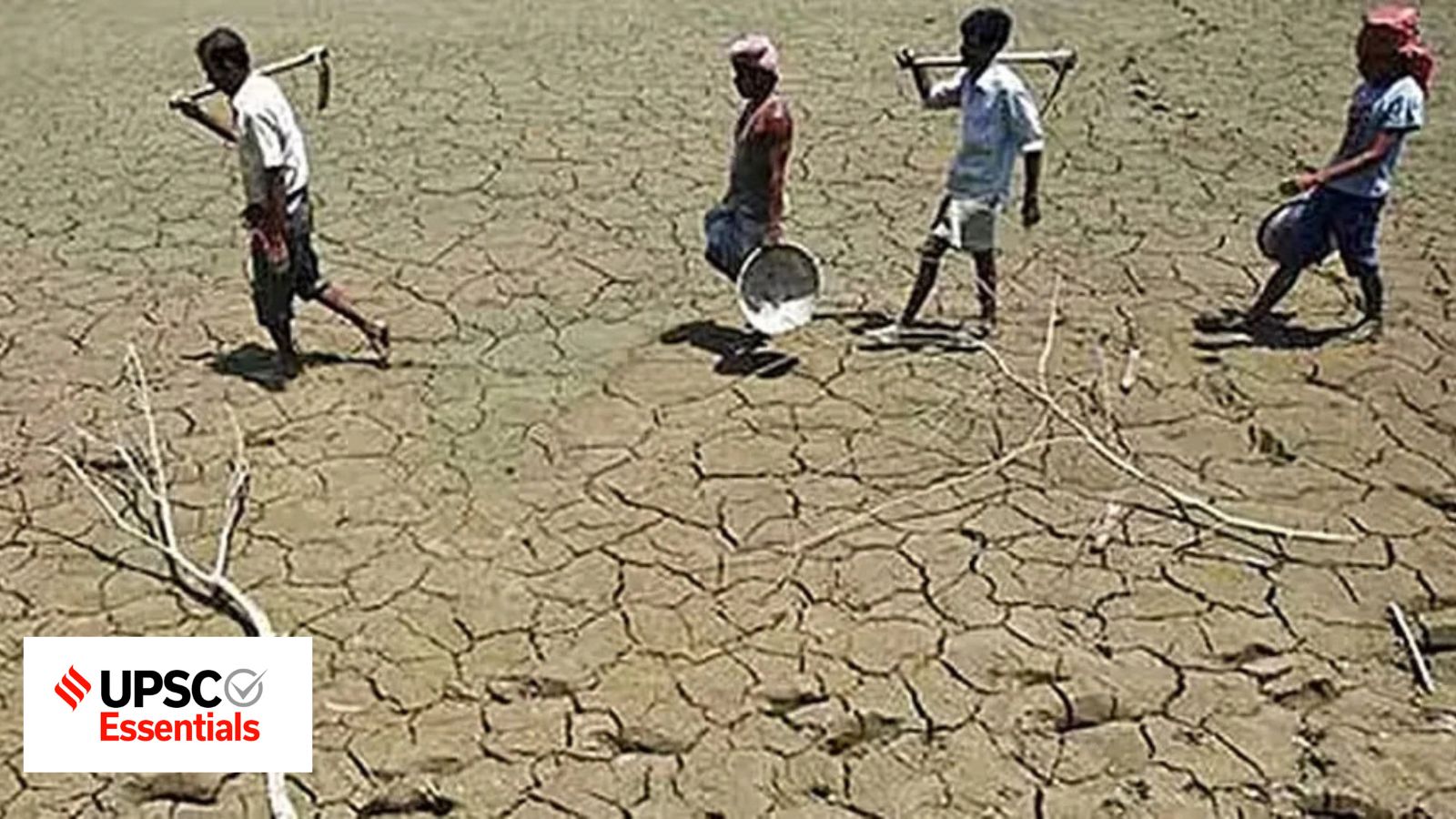
El Niño is a natural change in the Pacific Ocean that can alter weather around the world.
It can make India’s monsoon weaker, although its effects differ from place to place.
India’s 2026 monsoon brought less rain than usual.
Some reservoirs are also holding less water than in recent years.
Dry conditions can make it harder to grow crops and can affect fishing and electricity supplies.
The government has forecasts and plans to prepare for these risks.
The article says different departments need to work together and act early in local areas.
Better water management and climate-resilient crops could help reduce harm.

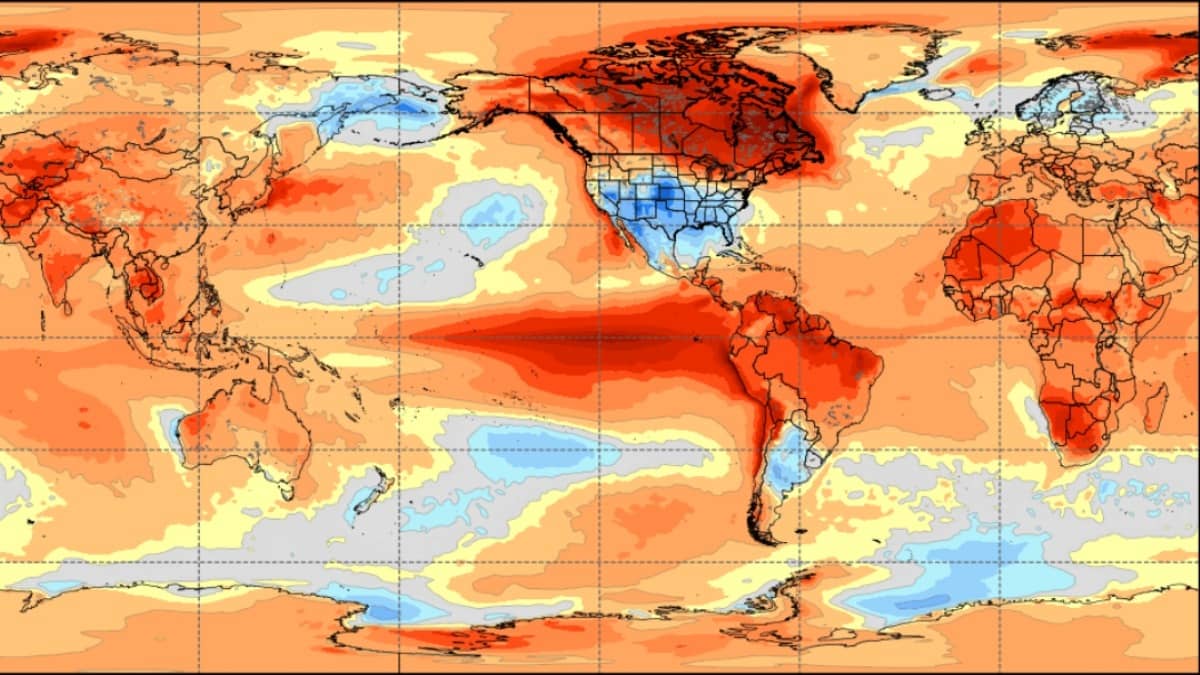
The WMO says El Niño is expected to strengthen before peaking in December and is nearly certain to persist until February 2027.
India’s 2026 southwest monsoon ended with rainfall about 12.6 per cent below normal, with larger deficits in eastern, northeastern and southern regions.
Reservoir storage was below its 10-year average, while several states declared areas drought-affected.
Possible effects include pressure on farming, fisheries, water supplies, electricity, livelihoods and public health.
India has forecasts and contingency plans, but the article says the key challenge is coordinating timely district-level action across sectors.
- Who
- India, including its government agencies, farmers, fishing communities and other people whose livelihoods may be affected.
- What
- El Niño is expected to intensify climate risks, prompting questions about India’s preparedness and ability to act on forecasts.
- Where
- India; rainfall deficits and drought declarations vary across states and regions.
- When
- The article discusses the 2026 monsoon and forecasts El Niño impacts through at least February 2027.
- Why
- El Niño can alter rainfall and raise temperatures, worsening water stress and affecting agriculture, energy, livelihoods and health.
Preparedness measures
Implementation challenges
India’s readiness
Preparedness measures
India has forecasting capacity, updated contingency plans and inter-ministerial reviews to prepare for climate risks.
Implementation challenges
The article argues that fragmented governance and weak translation of national forecasts into local action could leave communities exposed.
Key facts
- WMO outlook
- El Niño is forecast to peak in December and is nearly 100 per cent certain to last until February 2027.
- Monsoon deficit
- The 2026 southwest monsoon ended with rainfall 12.6 per cent below normal.
- Reservoir storage
- On September 24, storage in 178 major reservoirs was about 70 per cent of capacity, below the 10-year average of 76.62 per cent.
- Drought declarations
- The article reports drought declarations in 217 Karnataka talukas, 265 Maharashtra talukas and 388 Andhra Pradesh mandals across 21 districts.
- Foodgrain target
- The Centre lowered its 2026–27 foodgrain production target to 373.93 million tonnes.
- Preparedness plans
- District Agriculture Contingency Plans had been updated for 262 vulnerable districts, according to a July 7 review at the Prime Minister’s Office.
- High-priority districts
- The Agriculture Ministry identified 111 high-priority districts among 315 potentially affected districts, based on areas with less than 25 per cent irrigation.
Sources
Related news
Strengthening El Niño Raises India Climate and Crop Risks

India Faces Driest Monsoon Since 2009, Raising Food-Price Fears
India Urged to Prepare for a Potential Super El Niño
India’s Monsoon Rainfall Hits Decade Low, 12.6% Below Average
India's 2026 Monsoon Ends With Decade-Low Rainfall
Super El Niño Threatens Heat, Drought, Floods, and Lives
Scientists Warn Exceptional El Niño Could Intensify Global Heat
UN Warns El Niño Will Intensify Before December Peak
RBI’s Rate Hike Pivot Reflects Rising Inflation Risks