1 hr ago
Indian IT Firms Shift From H-1B Visas To Local Hiring

Large Indian technology companies are applying for far fewer H-1B visas in the United States.
The H-1B program helps companies bring some skilled workers from other countries to work in America.
New US rules have made these visas more expensive and applications more closely examined.
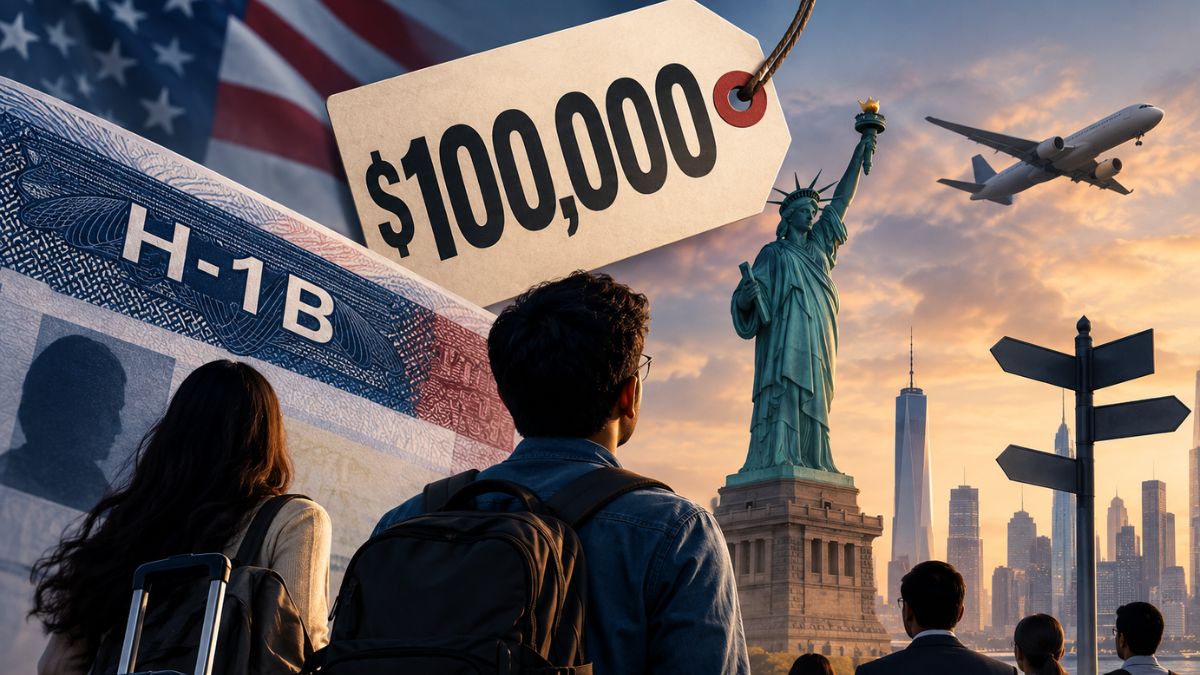
One rule requires an extra $100,000 payment for certain new applications involving workers entering from abroad.
The US government says the changes are meant to protect American jobs.
Indian workers still made up most approved H-1B beneficiaries in FY2025.
Because visas are harder and costlier to use, Indian technology companies are hiring more people inside the United States.
This means the industry is moving from transferring workers from India toward more local hiring.

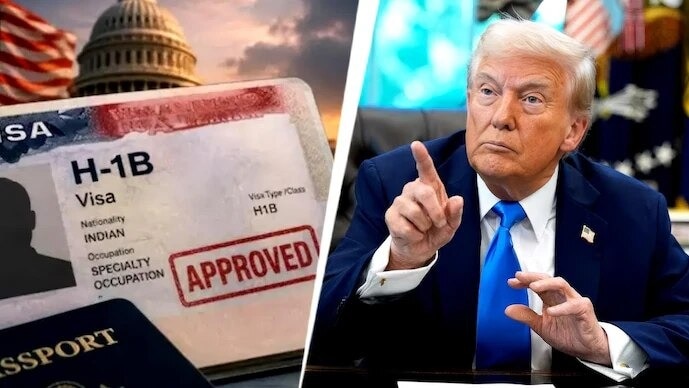
Infosys cut H-1B registrations from 8,886 to 759 for FY2027, while TCS reduced them from 5,955 to 284.
HCL America, Tech Mahindra and Wipro also recorded registration declines of 85% to nearly 96%.
A $100,000 payment requirement for certain new H-1B petitions was introduced in September 2025 and extended through September 2027.
A September 18, 2026 executive order called for greater scrutiny of applications from companies that recently laid off American workers.
Indians accounted for 69.9% of approved H-1B beneficiaries in FY2025, even as overall registrations declined from their FY2024 peak.
- Who
- Indian technology companies including Infosys, Tata Consultancy Services, HCL America, Tech Mahindra and Wipro, along with the US administration and H-1B applicants.
- What
- Indian IT firms sharply reduced H-1B registrations while increasingly emphasizing local hiring in the United States.
- Where
- The United States, involving Indian technology companies and workers from India.
- When
- The registration figures concern FY2027; the additional payment rule began in September 2025, and the executive order was signed on September 18, 2026.
- Why
- Higher visa costs, tighter regulations and increased scrutiny have made the H-1B route less attractive, while the administration says the measures protect American workers.
U.S. Administration
Indian IT Industry Impact
Purpose of stricter H-1B rules
U.S. Administration
The administration says higher costs and enhanced scrutiny will discourage overreliance on foreign labor, protect American jobs and reduce the risk of American workers being displaced.
Indian IT Industry Impact
Indian IT companies face higher visa costs and closer oversight, making overseas transfers less attractive and encouraging them to hire more workers locally in the United States.
Effect on hiring
U.S. Administration
The administration’s approach favors applications that do not contribute to the displacement of American workers and directs agencies to coordinate more closely when reviewing petitions.
Indian IT Industry Impact
The sharp decline in registrations suggests companies are replacing a model based on moving engineers from India with local hiring and more selective use of H-1B visas.
Key facts
- Infosys FY2027 registrations
- 759, down from 8,886
- Tata Consultancy Services FY2027 registrations
- 284, down from 5,955
- H-1B additional payment
- $100,000 for certain new petitions involving workers entering the United States from abroad
- Indian share of FY2025 approvals
- 69.9%, or 2.83 lakh of 4.06 lakh approved beneficiaries
- FY2024 total registrations
- 780,884, a record
- FY2026 total registrations
- 3.58 lakh, down from 4.79 lakh in FY2025
- Payment-rule extension
- Extended through September 2027
Sources
Related news
Indian IT Firms Cut H-1B Visa Registrations Sharply
Trump Extends $100,000 H-1B Fee Through September 2027
Tougher H-1B Checks Could Pressure Indian Tech Professionals
H-1B Fee Extension Deepens Uncertainty for Indian Professionals and Students
Trump Administration Tightens US Visa Rules for Indians

Second Federal Judge Blocks Trump’s $100,000 H-1B Fee

H-1B Visa Program Could Change Amid Fraud Crackdown

Study Finds Online Hate Against South Asians Surged 240%