1 hr ago
Indian IT Firms Cut H-1B Visa Registrations Sharply
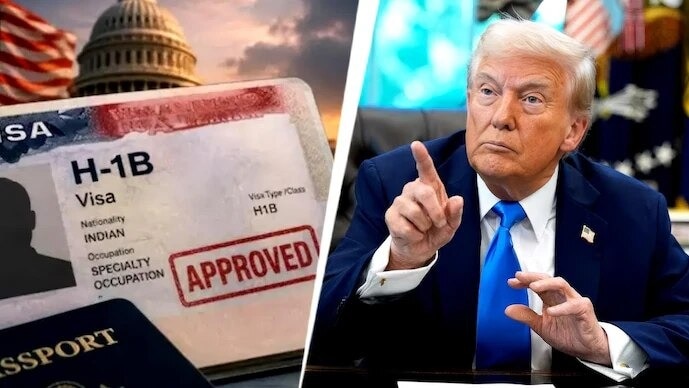
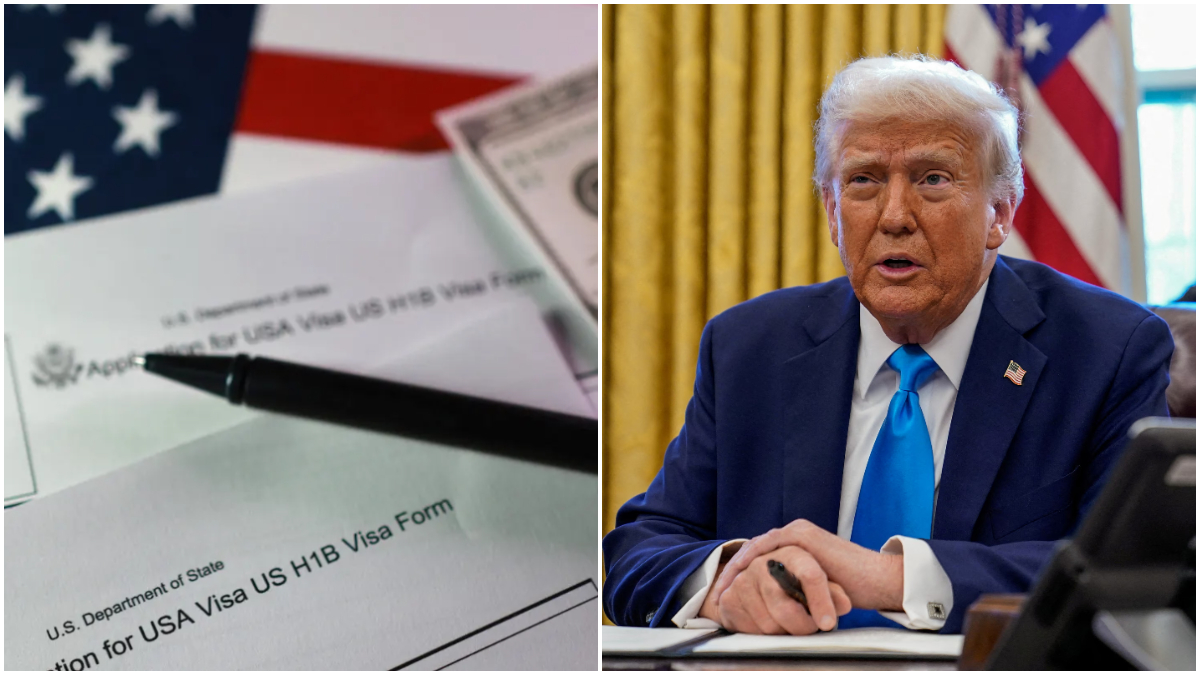
H-1B visas allow companies to hire some skilled workers from other countries for jobs in the United States.
A report says six large Indian technology companies submitted far fewer applications for the next visa year.
Their applications dropped by 92 percent.
Big US companies also submitted fewer applications, but their declines were smaller.
Industry experts say Indian companies are hiring more workers already living in the United States.
The visa program allows up to 85,000 new visas each year.
Indians received 71 percent of all H-1B visas issued, according to the report.
Some companies are also facing extra checks over how they use foreign-worker visas.
The number of approved applications from the lower pool has not yet been released.

Registrations by six major Indian IT firms for fiscal 2027 fell 92%, according to a report.
Microsoft submitted 2,481 registrations, exceeding the combined total of the six Indian IT firms.
Apple filed 2,265 registrations and JPMorgan filed 935, while Walmart was also among companies reporting declines.
Nasscom and immigration experts attributed the reduction partly to increased hiring of local US talent.
The US limits new H-1B visas to 85,000 annually, while several companies face heightened scrutiny or suspended processing.
- Who
- Six major Indian IT firms, US companies including Microsoft, Apple, JPMorgan and Walmart, Nasscom, and US immigration authorities.
- What
- H-1B visa registrations by the six Indian IT firms reportedly fell 92%, while several companies faced additional scrutiny.
- Where
- The United States, involving Indian technology companies and workers from India.
- When
- For fiscal year 2027; the H-1B lottery is held in March and April, and the $100,000 employer fee is reported to be extended through September 2027.
- Why
- The decline was attributed partly to increased hiring of local US talent and reduced reliance on transferring employees from India; enforcement efforts also tightened around the visa system.
Reduced Visa Dependence
Tighter Enforcement
Reason for the registration decline
Reduced Visa Dependence
Nasscom and immigration experts said Indian IT companies are hiring more local US talent and have developed ways to manage talent mobility without relying heavily on H-1B visas.
Tighter Enforcement
US enforcement officials and scrutiny of companies suggest the foreign-labor visa system is being examined more aggressively, which may also affect filing behavior.
Future of the visa system
Reduced Visa Dependence
Nasscom president Rajesh Nambiar said most Indian organizations are no longer very dependent on H-1B visas.
Tighter Enforcement
The report says the foreign-labor visa system could look very different within a year as enforcement efforts expand, alongside an extended $100,000 employer fee and tighter job-replacement rules.
Key facts
- Reported decline
- Registrations by six major Indian IT firms fell 92% for fiscal year 2027.
- US annual cap
- The United States caps new H-1B visas at 85,000 annually.
- Advanced-degree allocation
- 20,000 places are reserved for applicants with a US university master's degree or higher.
- Largest cited filer
- Microsoft filed 2,481 registrations, more than the combined total of the six Indian IT firms.
- Other major filers
- Apple filed 2,265 registrations and JPMorgan filed 935.
- Indian share
- Indians account for 71% of all H-1B visas issued.
- Companies under scrutiny
- Visa processing was suspended for Cognizant and Cloudera, while Infosys and Tata Consultancy Services faced additional scrutiny.
Sources
Related news
Trump Extends $100,000 H-1B Fee Through September 2027

Trump Extends $100,000 H-1B Fee, Tightens Visa Scrutiny
Tougher H-1B Checks Could Pressure Indian Tech Professionals

IT Shares Fall as Indian Market Rises Amid Visa Concerns
Trump Extends $100,000 H-1B Fee Order Amid Legal Challenges

Trump Tightens H-1B Oversight and Renews $100,000 Visa Fee

Mangaluru and Udupi Build Karnataka’s Next Major Talent Hub
H-1B Visa System Faces Intensifying Trump Administration Investigation
H-1B Fee Extension Deepens Uncertainty for Indian Professionals and Students

Visakhapatnam IT Hub Faces Water Stress, Firms Urged To Conserve