16 hrs ago
Tougher H-1B Checks Could Pressure Indian Tech Professionals
The United States is making companies face more checks when they want to hire workers through the H-1B visa program.
Officials will examine whether those companies recently fired Americans doing similar jobs.
The government says this will stop businesses from replacing American workers with cheaper foreign labor.
Indian workers may feel the effects strongly because they receive more than 70% of H-1B approvals.
Companies may become less willing to sponsor new Indian technology workers.
A proposed rule could remove the usual 60-day period that some laid-off visa holders have to find a new job.
If approved, affected workers might have to leave the country immediately after losing their jobs.
The government is also investigating suspected visa fraud and considering a system that gives preference to higher-paid jobs.
These changes are proposals or new policies at different stages, so their effects may vary.

An executive order signed September 18, 2026, requires federal agencies to examine whether H-1B sponsors recently laid off American workers in similar roles.
The policy is intended to prevent companies from claiming worker shortages while cutting domestic jobs or using H-1B hiring as low-cost outsourcing.
Indian nationals account for more than 70% of H-1B approvals and are therefore expected to be disproportionately affected by reduced corporate sponsorship.
A proposed DHS rule could eliminate the 60-day grace period for laid-off H-1B, L-1, and O-1 workers if finalized.
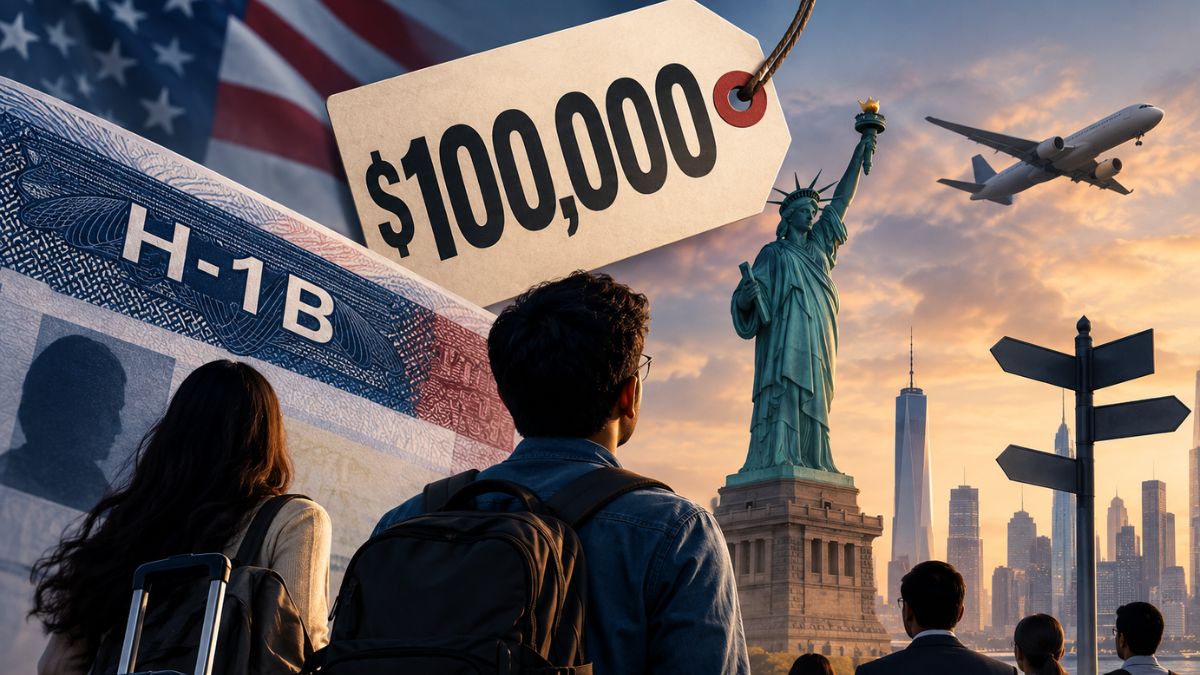
Other changes include extending a $100,000 payment requirement for certain new H-1B workers outside the United States through September 21, 2027.
- Who
- The US administration, federal agencies, companies sponsoring H-1B workers, and foreign professionals—particularly Indian technology workers—are affected.
- What
- The administration has introduced tougher H-1B checks for companies that lay off American workers, alongside other visa restrictions, investigations, and proposed changes.
- Where
- The measures apply to the United States, including companies and workers in technology hubs such as Dallas.
- When
- The main executive order was signed September 18, 2026; related measures and proposals were introduced or extended during the preceding six months.
- Why
- The administration says it wants to prevent H-1B hiring from displacing domestic workers or functioning as low-cost outsourcing rather than addressing genuine high-skill shortages.
Policy supporters
Worker and industry concerns
Purpose of tougher checks
Policy supporters
The administration says companies should not claim a worker shortage while laying off Americans in similar jobs, and that H-1B hiring should address genuine high-skill gaps.
Worker and industry concerns
Tighter reviews and possible audits could make companies less willing to sponsor foreign workers, particularly in technology and specialized fields.
Effect on Indian professionals
Policy supporters
Supporters view reduced sponsorship for firms shedding domestic jobs as a way to protect American employment and discourage low-cost outsourcing.
Worker and industry concerns
Because Indian nationals receive more than 70% of H-1B approvals, Indian professionals may face fewer opportunities and more difficult job transitions after layoffs.
Eliminating the grace period
Policy supporters
The proposed DHS change would require laid-off visa holders to leave immediately, according to the policy description, strengthening enforcement of temporary-worker rules.
Worker and industry concerns
Workers and their employers would lose the 60-day period to find a new sponsor, increasing pressure on people who lose their jobs unexpectedly.
Key facts
- Executive order
- Signed September 18, 2026; agencies must check recent or planned layoffs in similar roles before processing sponsorship-related cases.
- Indian H-1B share
- Indian nationals account for more than 70% of all H-1B approvals.
- Proposed grace-period change
- The Department of Homeland Security proposed eliminating the 60-day grace period for laid-off H-1B, L-1, and O-1 holders.
- Additional H-1B payment
- A $100,000 payment requirement for certain new H-1B workers outside the United States was extended through September 21, 2027.
- Fraud investigations
- The Department of Labor has investigated IT consulting firms for alleged fraudulent applications, wage kickbacks, and improper recruitment practices.
- Lottery change
- The administration is moving toward an H-1B lottery system that prioritizes higher-paid specialized positions.
- Social-media screening
- From October 1, 2026, India-based media professionals applying for I visas and TN/TD applicants must keep social-media profiles public or open during screening.
Sources
Related news

H-1B Grace Period Could End After US Layoffs
New Order Targets H-1B Employers Cutting American Jobs
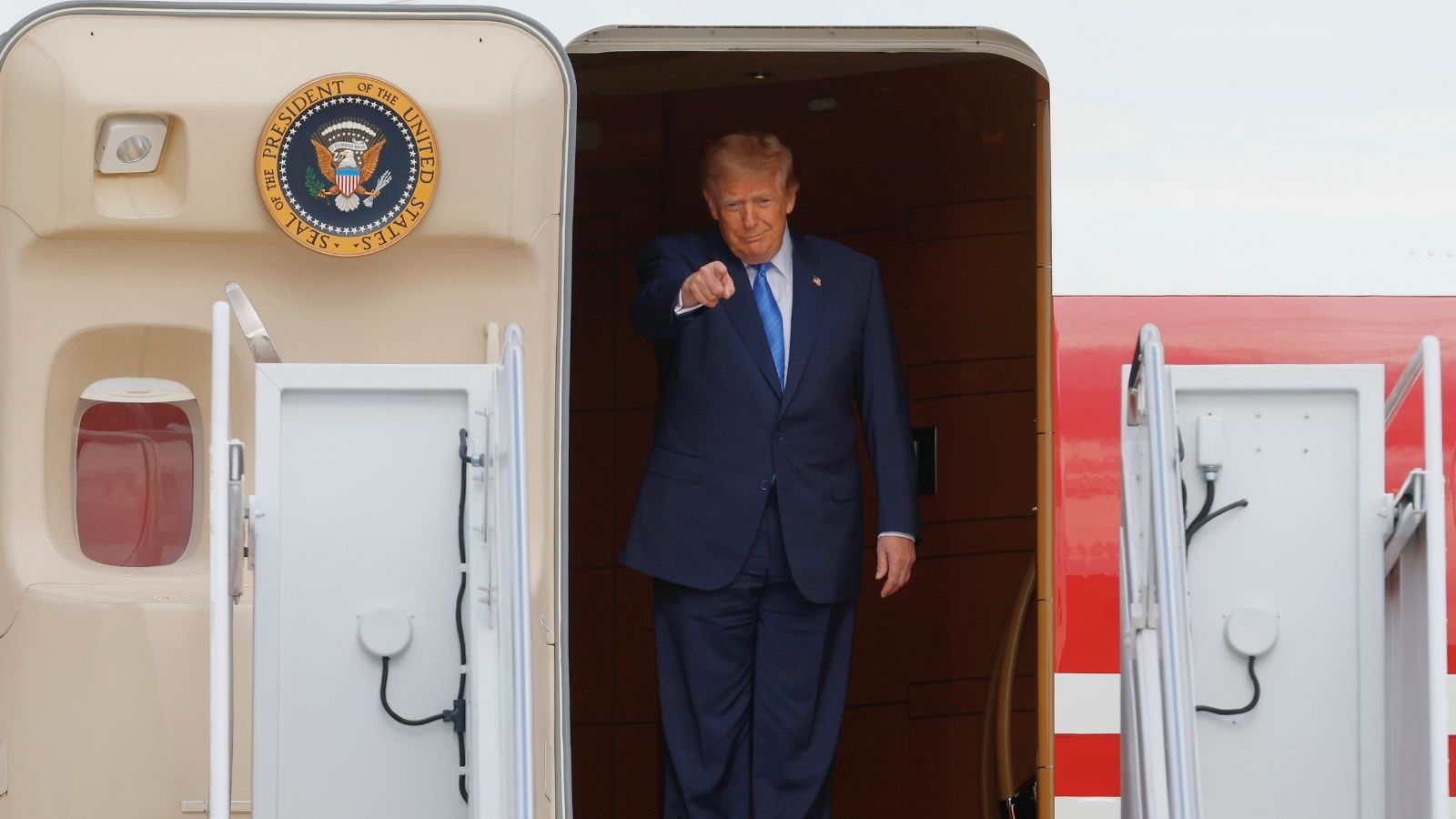
Trump White House Clears Plan Ending H-1B Grace Period
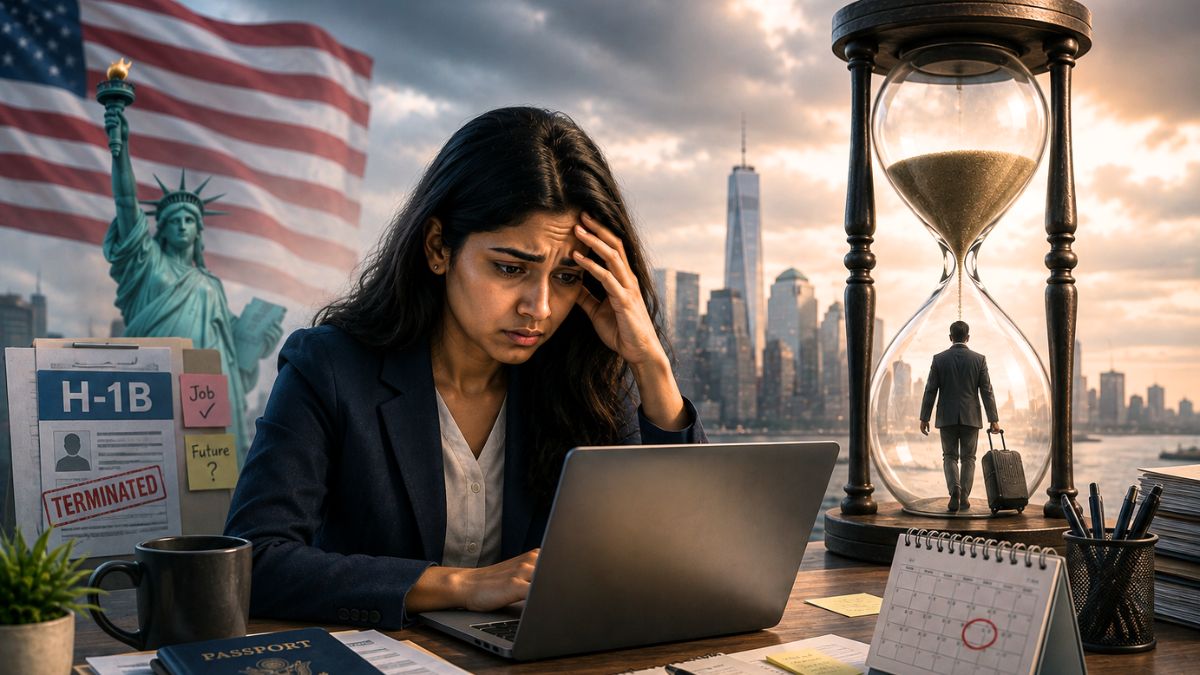
Proposed H-1B Grace-Period End Raises Indian Worker Concerns

DHS Proposes Ending 60-Day Grace Period for H-1B Workers
Trump Administration Proposes Ending 60-Day H-1B Grace Period
Krishnamoorthi Rejects Debate Framing Indian Americans As Problem
Indian Executives Make Record Gains in US Corporate Boardrooms
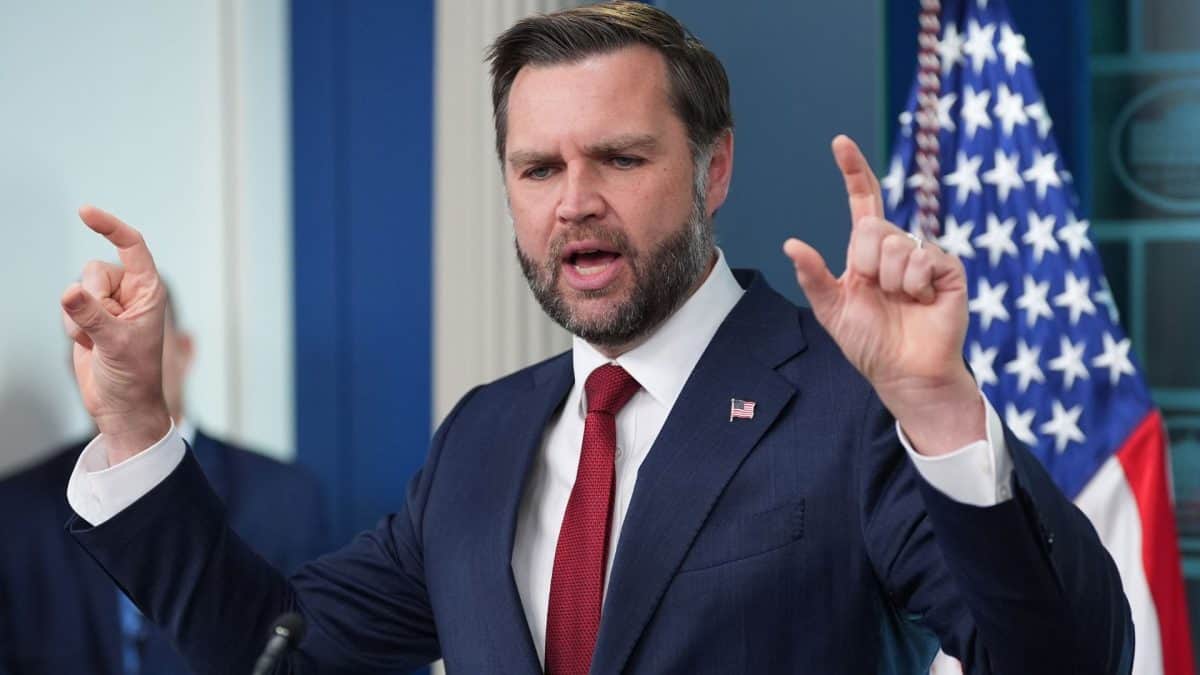
Vance Signals Tougher H-1B Curbs for Companies Laying Off Americans
H-1B Visa System Faces Intensifying Trump Administration Investigation