

3 weeks ago
'Rebel Bastar' Book Explores History Behind India's Maoist Insurgency
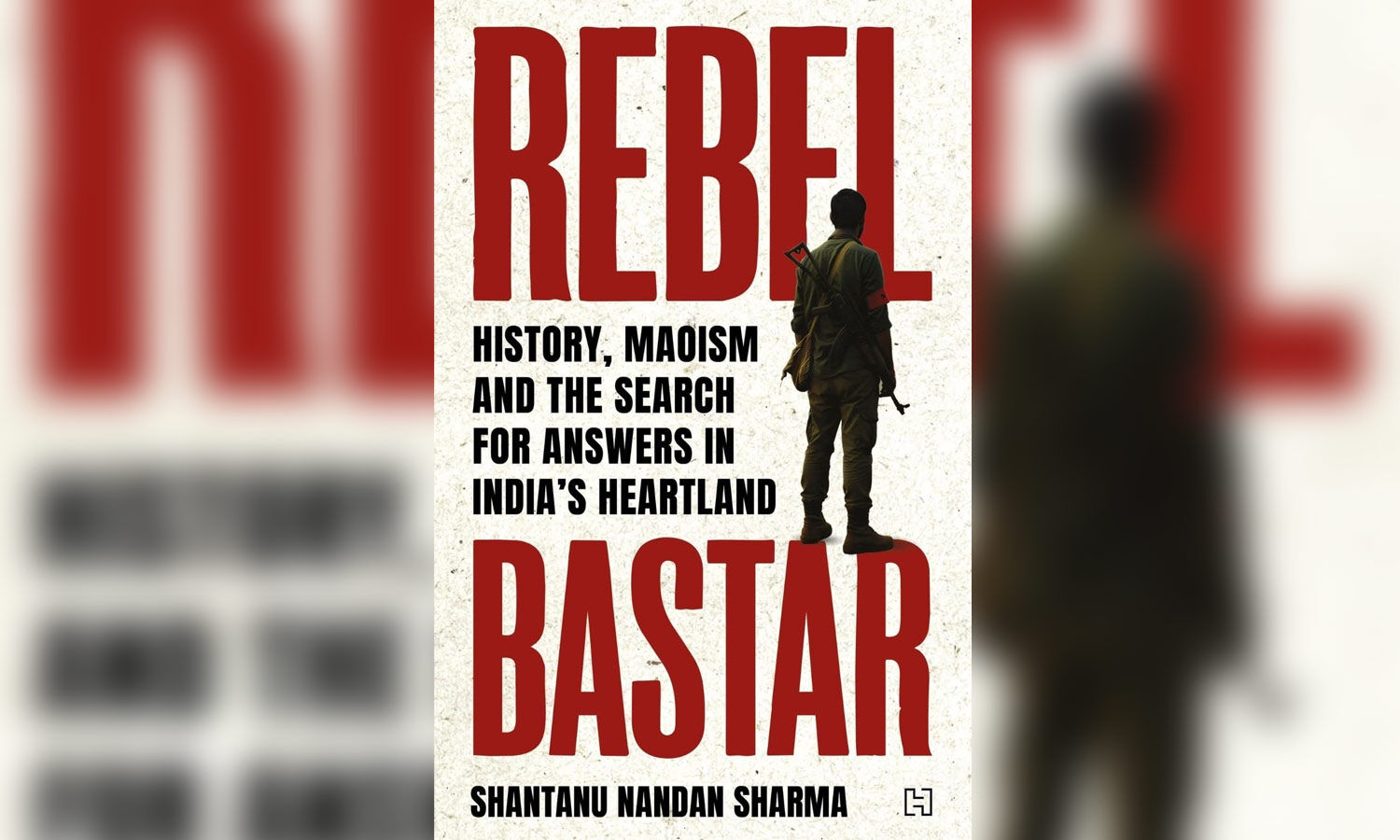
A man named Shantanu Nandan Sharma wrote a book called 'Rebel Bastar'.
The book tells the story of a place in India called Bastar.
For a long time, people only heard about Bastar because of fighting between soldiers and a group called the Maoists.
The book says we need to look at the region's long history to understand why the fighting happened.
It talks about tribes, British rulers, and how the forests were used for wood and minerals.
It also includes a story about a famous official named Rajiv Kumar who was once interested in the Maoist ideas when he was a student.
In March 2026, the Government of India said the Maoist fighting was mostly over.
Sharma uses his 30 years of experience as a reporter to explain what made Bastar special long before the conflict.
The book reminds us that a conflict's roots are often found in the past, not just in the years of violence.

'Rebel Bastar' by senior journalist and historian Shantanu Nandan Sharma examines the historical forces behind Maoism in India's Bastar region.
The book arrives after the Government of India announced in March 2026 that the Maoist insurgency had been effectively defeated.
It traces tribal resistance, colonial intervention, changing administration systems, and the impact of development and resource extraction.
The narrative includes episodes such as human sacrifice accounts in Dantewada and British attempts to access the region's teak and minerals.
The book features former NITI Aayog Vice Chairman Rajiv Kumar's recollection of being briefly drawn to Naxalite ideology as a student in the 1970s.
- Who
- Shantanu Nandan Sharma, a senior journalist and historian, and former NITI Aayog Vice Chairman Rajiv Kumar, whose recollection is featured.
- What
- The publication of the book 'Rebel Bastar: History, Maoism and the Search for Answers in India's Heartland', which explores the history behind the Maoist insurgency in Bastar.
- Where
- Bastar, in India's heartland, with events also referenced in Dantewada and Delhi.
- When
- The book arrives after the Government of India's March 2026 announcement that the Maoist insurgency had been effectively defeated; no exact publication date is given.
- Why
- To explain what made Bastar vulnerable to a decades-long insurgency by looking beyond violence and security operations to its deeper history.
Historical understanding
Security-focused view
How to understand the insurgency
Historical understanding
The book argues the insurgency can only be understood through Bastar's long history, tribal society, governance, and resource extraction, not just the years of visible violence.
Security-focused view
The conventional view treats Bastar largely through the lens of Maoist violence, security operations, and conflict as a security problem.
Key facts
- Book title
- Rebel Bastar: History, Maoism and the Search for Answers in India's Heartland
- Author
- Shantanu Nandan Sharma, senior journalist and historian
- Central theme
- Historical forces that shaped Bastar and made it the centre of a prolonged Maoist insurgency
- Background event
- March 2026 declaration by the Government of India that the Maoist insurgency was effectively defeated
- Featured recollection
- Rajiv Kumar's account of being briefly drawn to Naxalite ideology as a student in the 1970s
- Author's experience
- More than three decades of reporting across every Indian state
- Origin of interest
- 2016 demonetisation reporting, when new currency notes were found in insurgent-held areas
- Author's education
- History at the University of Delhi; moved to Delhi in 1989
Sources
Related news
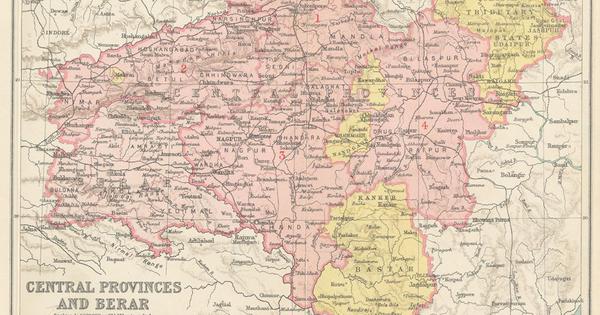
Book Recasts Bastar’s Abujhmad as the Indigenous Metabhum
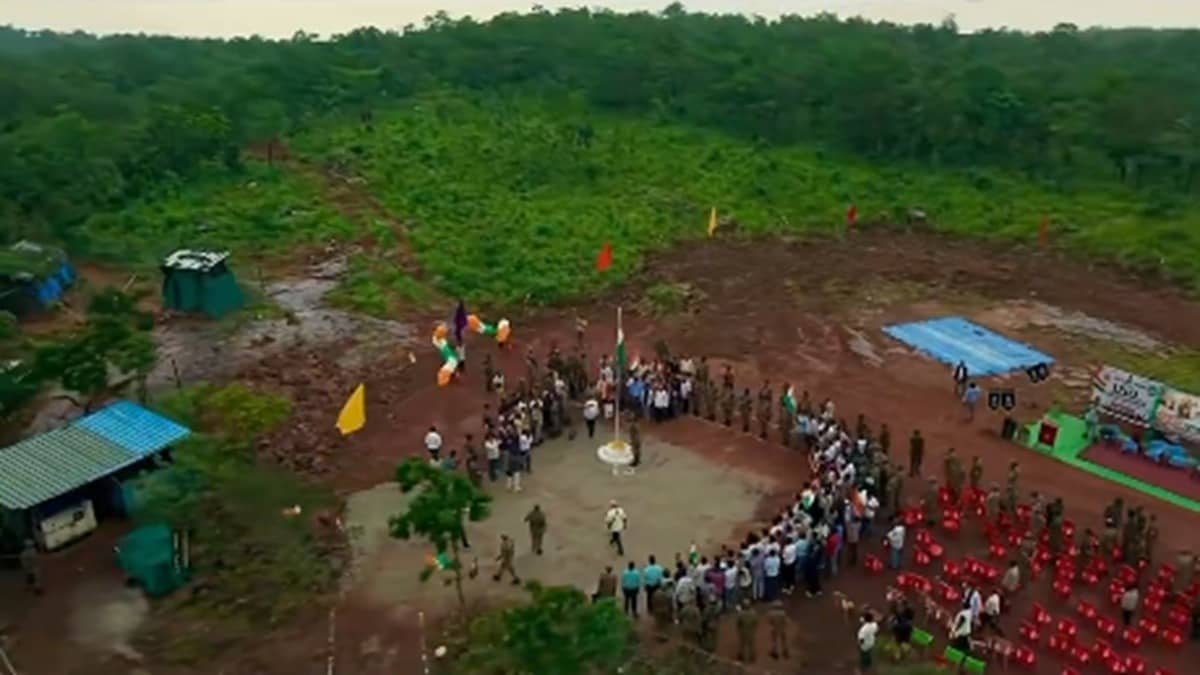
PM Modi Declares Naxalism Nearly Defeated as Bastar Hoists Tricolour

From Guns to Handlooms: Former Women Maoists Walk Raipur Ramp

Naxalbari's Peasant Roots and the Urban Revolution Myth
Chhattisgarh CM: Naxalism Ends Only When Maoist Ideology Is Eliminated

‘Dimagi Naxal’ Debate Highlights Cost of Maoist Insurgency
Chhattisgarh Seeks Complete Mineral Value Chain Through Critical-Mineral Auction

Chhattisgarh Positions Itself as Hub for Critical Minerals

Bastar Tiranga Yatra ends atop Karregutta hills in Bijapur