

5 days ago
‘Dimagi Naxal’ Debate Highlights Cost of Maoist Insurgency

The article talks about people who call themselves “dimagi naxals,” meaning people accused of supporting Naxalite ideas from cities.
The writer says this is not something to be proud of because Naxalite violence has killed villagers, tribal people, police officers, and soldiers.
The Naxalite movement began in Naxalbari in 1967.
It was initially linked to protecting agricultural workers and tribal communities, but the article says it later became violent.
One attack in Dantewada in 2010 killed 76 security personnel.
The article also remembers police officers K S Vyas and C Umesh Chandra, who were killed while fighting Naxal groups.
It says their families continue to suffer because of these deaths.
The writer believes people who defend the ideology from safe city settings do not understand its human cost.
The article concludes that supporting the label is shameful rather than honorable.

The article criticizes people who proudly identify as “dimagi naxals,” describing the label as support for violent Maoist insurgency.
It says the Naxalite movement began after the 1967 uprising in Naxalbari, West Bengal, and later turned toward armed conflict.
The article cites the April 6, 2010, Dantewada ambush, in which 76 security personnel were killed, including 75 CRPF personnel.
It highlights the deaths of IPS officers K S Vyas and C Umesh Chandra in anti-Naxal operations in Andhra Pradesh.
The writer argues that urban intellectuals who justify or romanticize violence should confront the suffering of victims’ families.
- Who
- The article discusses people described as “dimagi naxals,” Naxalite or Maoist insurgents, victims, security personnel, and anti-Naxal officers including K S Vyas and C Umesh Chandra.
- What
- An opinion article argues that proudly claiming the “dimagi naxal” label ignores the deaths and suffering caused by Naxalite violence.
- Where
- The events discussed include Naxalbari in West Bengal, Dantewada, and several locations in Hyderabad and Andhra Pradesh.
- When
- The article refers to the Naxalbari uprising in 1967, K S Vyas’s killing in 1993, the Dantewada ambush on April 6, 2010, and Mohammed Nayeem’s death in 2016.
- Why
- The writer seeks to condemn the romanticization of Naxalite violence and emphasize its impact on victims, families, and security personnel.
Supporters’ framing
Article’s criticism
Meaning of the label
Supporters’ framing
Some politicians and self-described intellectuals are portrayed as claiming “dimagi naxal” or related labels as a badge of honor.
Article’s criticism
The writer argues that the label should not be treated as honorable because it is associated with an ideology linked to violence and loss of life.
Role of urban intellectuals
Supporters’ framing
The article says people in universities, newsrooms, and cities may present Naxalite ideas as political or intellectual resistance.
Article’s criticism
The writer contends that such people romanticize violence and encourage young people to take up armed revolt while remaining physically removed from the conflict.
Movement’s legacy
Supporters’ framing
The article notes that the movement initially focused on the rights of agricultural workers and tribal communities.
Article’s criticism
The writer says it later shifted toward violence against the state, villagers, informers, police, and security personnel, leaving families to endure prolonged grief.
Key facts
- Movement’s origin
- The article says the Naxalite movement began after a 1967 uprising in Naxalbari, West Bengal.
- Dantewada ambush
- On April 6, 2010, 76 security personnel were killed, including 75 CRPF personnel, according to the article.
- K S Vyas
- The IPS officer was killed in Hyderabad in 1993 and had established the GreyHounds anti-Naxal force in 1989.
- C Umesh Chandra
- The IPS officer, known as the “Lion of Kadapa,” was shot dead at Sanjeev Reddy Nagar junction in Hyderabad.
- Mohammed Nayeem
- The Maoist renegade was killed in a police encounter in 2016, according to the article.
- Former prime minister’s statement
- The article quotes Dr Man Mohan Singh as calling Naxalism the country’s “greatest internal security threat” in 2009.
Quotes
Dr Man Mohan Singh
Indian political leader quoted in the article as making the statement in 2009
“Naxalism is the greatest internal security threat to our country”
 thehansindia.com
Sources
Related news

PM Modi urges citizens to identify, isolate 'Dimagi Naxals'
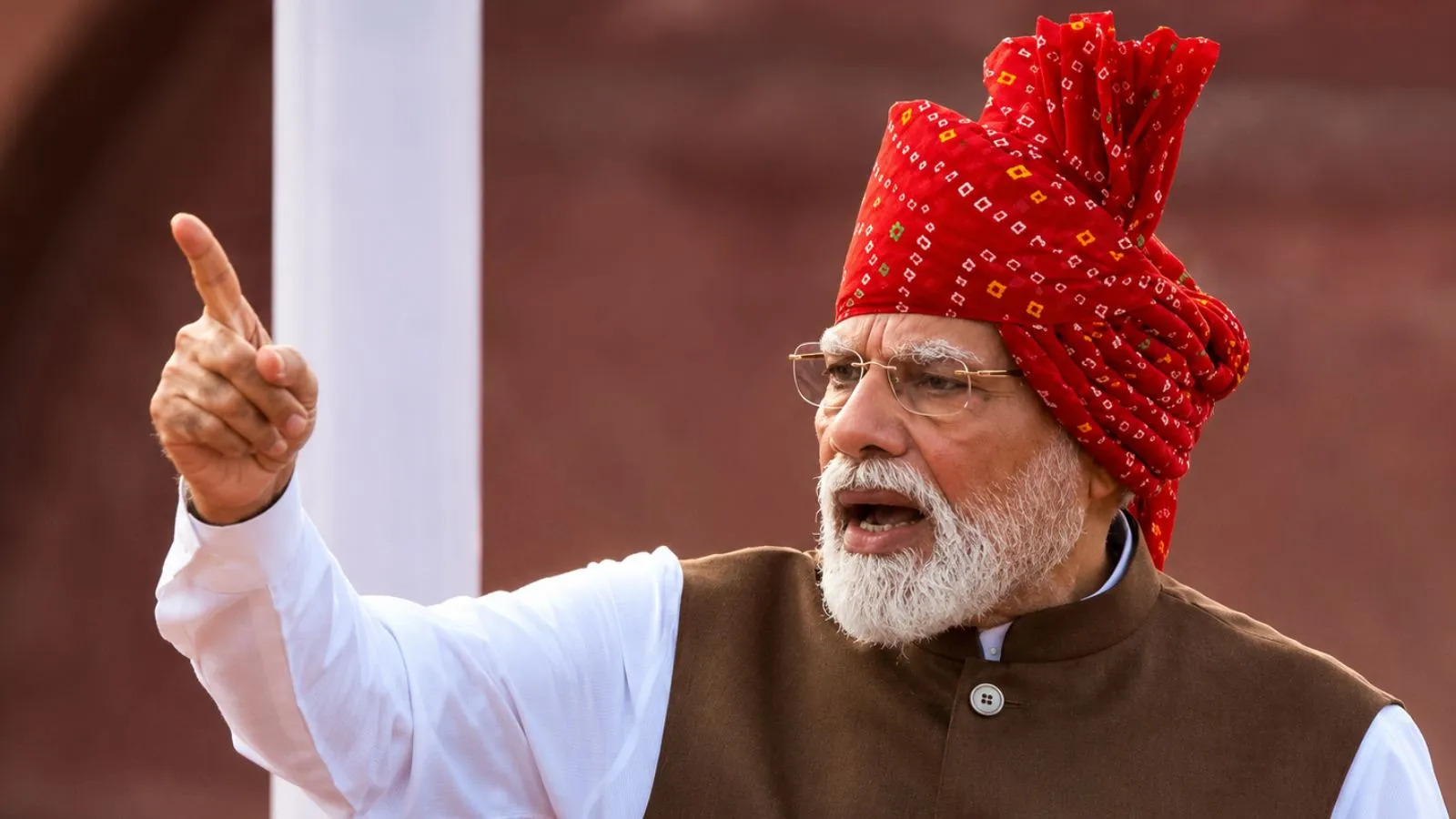
Ram Madhav Defends Modi’s ‘Dimagi Naxal’ Remark
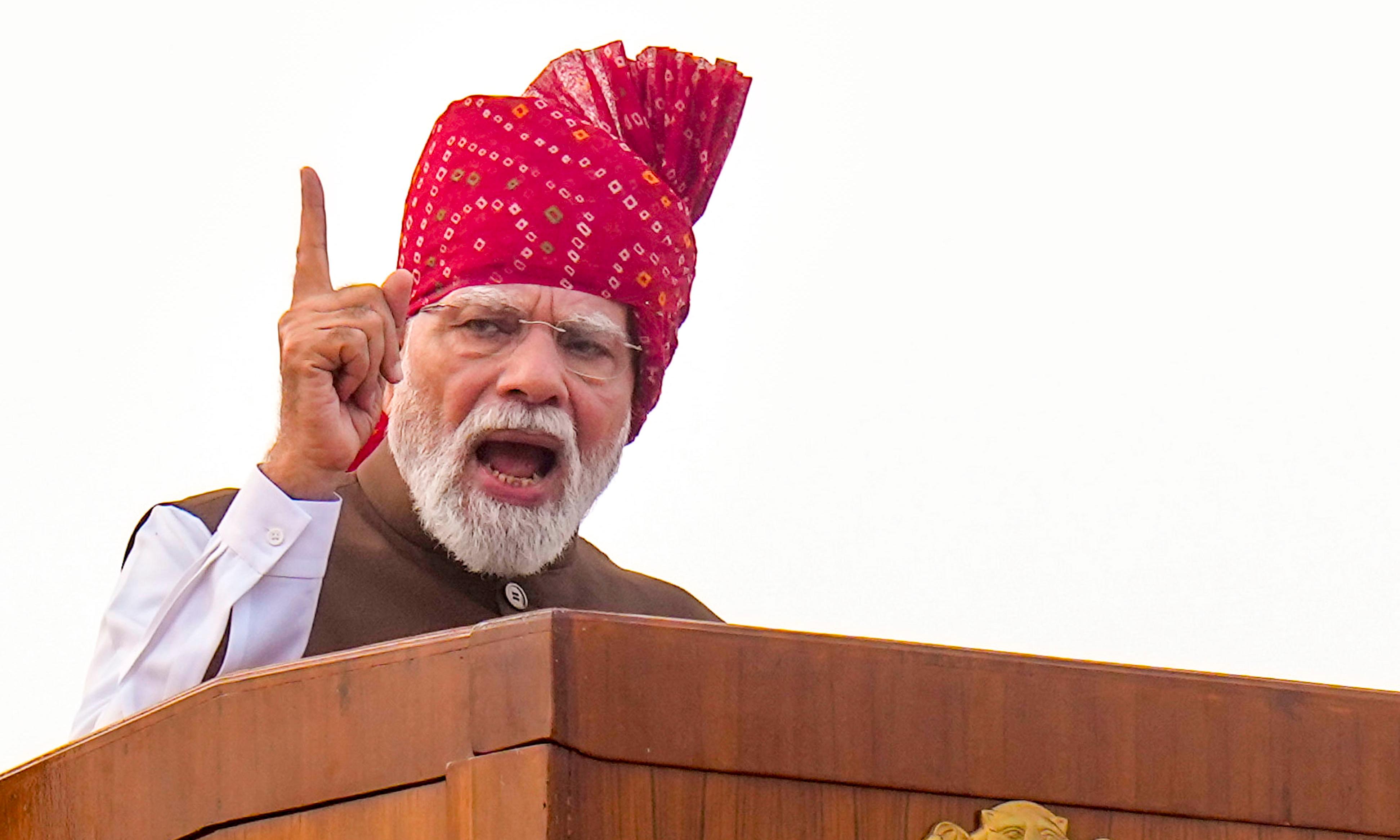
PM Modi Urges Identification, Isolation of 'Dimagi Naxals'

Naxal violence victims condemn Chidambaram's 'dimaagi Naxal' remark

Chidambaram proud to be 'dimagi naxal', hits back at Modi
TDP MP backs Modi's 'dimagi Naxal' warning against intellectual Naxalism
Chhattisgarh Seeks Complete Mineral Value Chain Through Critical-Mineral Auction

Chhattisgarh Positions Itself as Hub for Critical Minerals
Bastar Tiranga Yatra ends atop Karregutta hills in Bijapur

From Guns to Handlooms: Former Women Maoists Walk Raipur Ramp