

2 weeks ago
From Guns to Handlooms: Former Women Maoists Walk Raipur Ramp

Long ago, in a forested part of India called Bastar, some women took part in a conflict led by a group called the Maoists, who fought using guns.
Over time, many of these women gave up that life and went to special rehabilitation centres to start over.
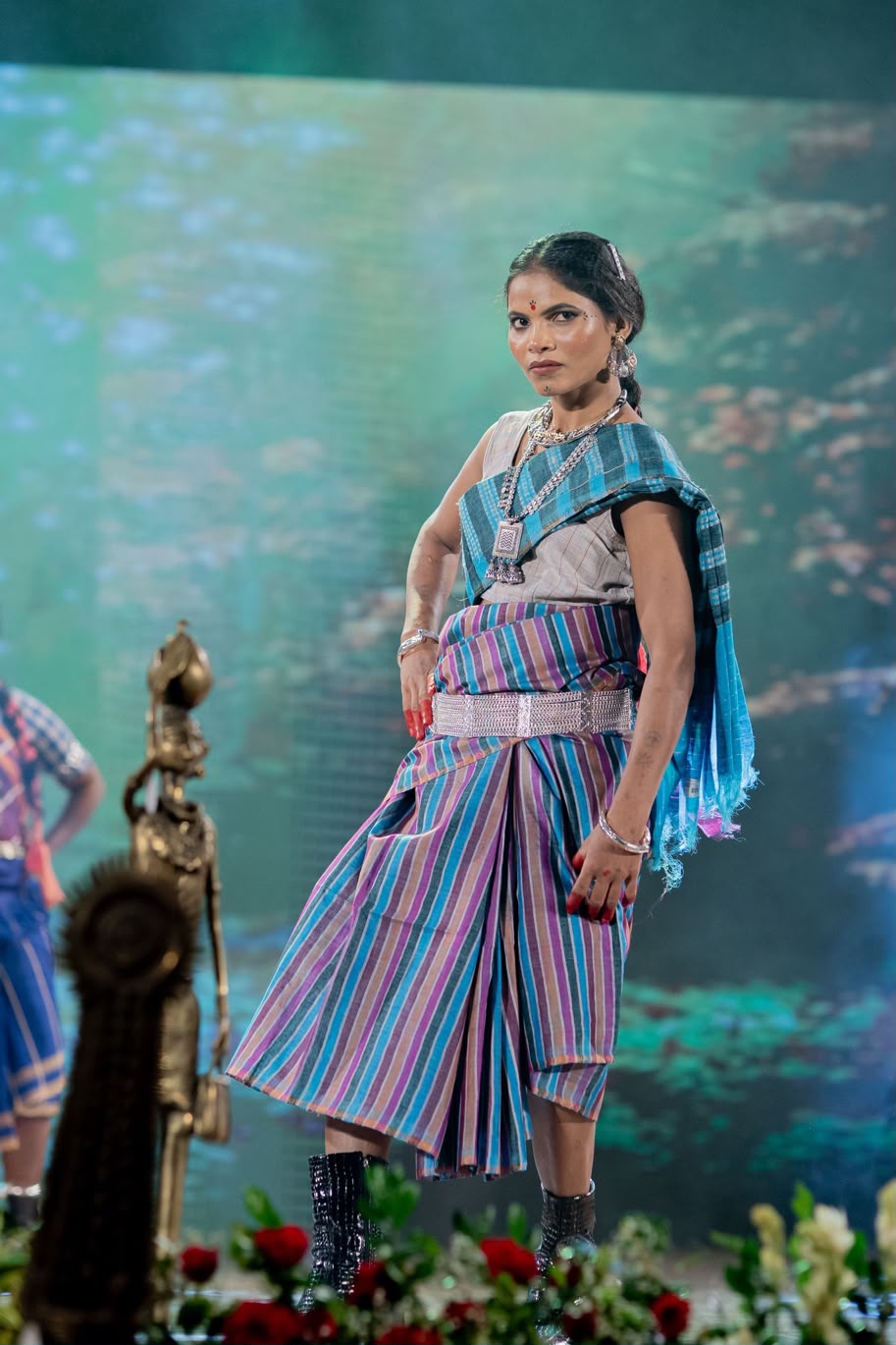
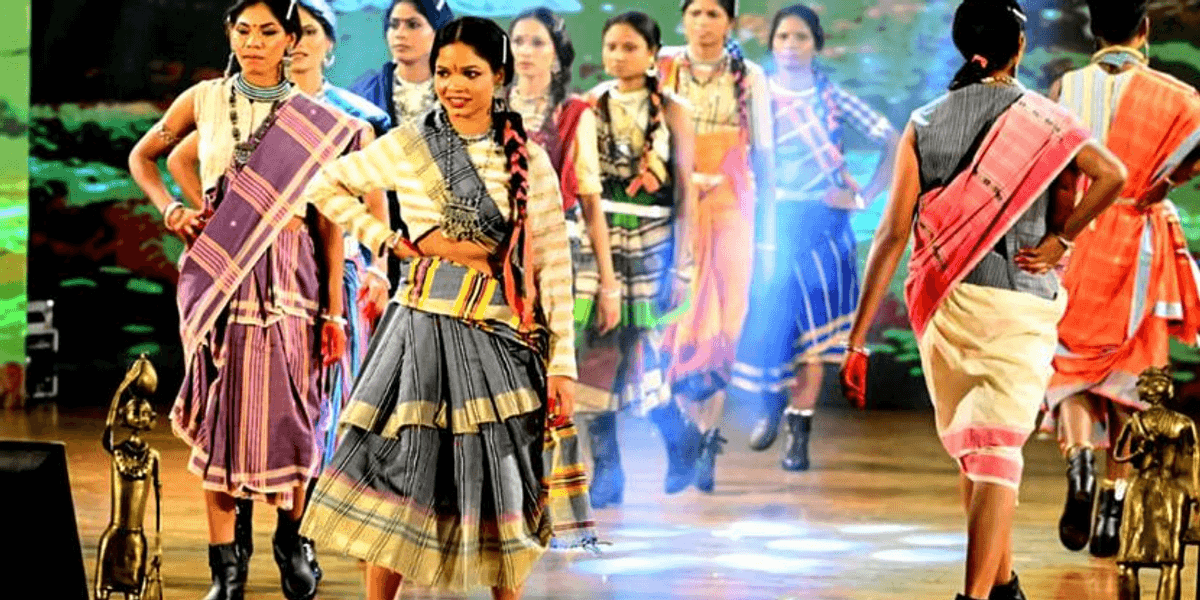
On a special day called National Handloom Day, these former fighters walked on a fashion stage in the city of Raipur.
They wore beautiful clothes made of Kosa silk and other traditional handwoven fabrics from their own region.
Pictures of them walking proudly went very popular online.
Before the show, they practised for a whole week, and a trainer from Mumbai taught them how to walk and present themselves.
One of the women said she was nervous at first but became confident with practice.
The event showed that their lives could now be about new hopes, not the guns they once carried.
The government also says violence from the Maoists has dropped a lot, from 1,936 incidents in 2010 to 234 in 2025.
The fashion show was a small but powerful sign of life after a long conflict.

On August 7, National Handloom Day, former women Maoists walked a fashion runway in Raipur in traditional handloom and Kosa silk outfits at a Swadeshi fashion show.
The women, who spent years in the Maoist movement, came from rehabilitation centres in Bastar and trained for a week in Raipur with a professional trainer from Mumbai.
Surrender and rehabilitation are central to the government's strategy, and Chhattisgarh Chief Minister Vishnu Deo Sai interacted with the participants at the event.
The Naxalite movement began with the 1967 uprising in Naxalbari, West Bengal; Bastar became a strategic stronghold, and the April 2010 Dantewada attack killed 76 security personnel.
Government figures show LWE-related violent incidents fell from 1,936 in 2010 to 234 in 2025, and the government says its March 31, 2026 target of a Naxal-free India was achieved on schedule in June.
- Who
- Women who surrendered from the Naxalite/Maoist movement and are associated with rehabilitation centres in Bastar; Chhattisgarh Chief Minister Vishnu Deo Sai also interacted with the participants.
- What
- Former women Maoists walked a fashion runway in traditional handloom and Kosa silk outfits at a Swadeshi fashion show for National Handloom Day.
- Where
- Deendayal Upadhyay auditorium, Raipur, Chhattisgarh, India.
- When
- August 7 (National Handloom Day).
- Why
- To symbolise the transformation and reintegration of former cadres into civilian life after surrender and rehabilitation.
Government's Position
Cautious Observers' Position
Naxal-free status
Government's Position
The government says its target of making India Naxal-free by March 31, 2026 was achieved on schedule, citing an 88 per cent fall in LWE violence and a sharply contracted insurgency footprint.
Cautious Observers' Position
The achievement is a government assessment and should be understood as such; ending the insurgency is only part of the challenge, and sustained livelihoods and full community recovery remain unproven.
Significance of the fashion show
Government's Position
The runway event is a powerful symbol of surrender, rehabilitation and reintegration, showing former cadres rebuilding their lives through skills and livelihoods.
Cautious Observers' Position
A fashion show cannot measure the success of rehabilitation, and one public appearance does not establish whether former cadres have secure livelihoods or whether conflict-affected communities have fully recovered.
Key facts
- Event
- Swadeshi fashion show marking National Handloom Day
- Date
- August 7
- Venue
- Deendayal Upadhyay auditorium, Raipur, Chhattisgarh
- Attire
- Traditional handloom and Kosa silk
- Participants
- Former women Maoists (surrendered Naxalite cadres) from Bastar rehabilitation centres
- Training
- Week-long grooming programme in Raipur with a professional trainer from Mumbai
- LWE violence decline
- 1,936 incidents (2010) to 234 (2025), an 88 per cent fall, per the ministry of home affairs
- Naxal-free pledge
- Union home minister Amit Shah pledged to make Bastar Maoist-free by March 2026; the Centre's Naxal-free target was March 31, 2026, which the government said was achieved in June
Quotes
Madvi Malle
A former Maoist participant in the runway event
“I had initially been nervous during training but gained confidence through practice.”
 rediff.com
“I never imagined walking on a ramp before a large audience.”
rediff.com
Sources
Related news
Former Naxal Women Stun On Ramp At Handloom Day Event
Former Women Maoists Walk Fashion Ramp in Chhattisgarh

Former Women Maoists Wow Internet with Handloom Ramp Walk
PM Modi Declares Naxalism Nearly Defeated as Bastar Hoists Tricolour

From Red Terror to Ramp Walk: Naxal Women's New Life

Bastar Tiranga Yatra ends atop Karregutta hills in Bijapur
Chhattisgarh Seeks Complete Mineral Value Chain Through Critical-Mineral Auction

Chhattisgarh Positions Itself as Hub for Critical Minerals

‘Dimagi Naxal’ Debate Highlights Cost of Maoist Insurgency